Вопрос о том, когда следует менять свечи зажигания — строго по регламенту или ориентируясь на их реальное состояние, — вызывает у автовладельцев не меньше споров, чем выбор между 92-м и 95-м бензином. Одни водители следуют предписаниям производителя, полагая, что ему лучше известно, когда этот расходный элемент требует замены. Другие уверены: если свечи выглядят нормально, а двигатель заводится без проблем даже в сильный мороз, то их можно не трогать до пробега в 60–90 тысяч километров. Попробуем разобраться, чем грозит пренебрежение сроками замены, установленными производителем.
Зачем двигателю свечи
Сначала стоит вспомнить, какую роль играют свечи зажигания в работе мотора. Их задача — создать искру при включении зажигания, которая воспламеняет топливно-воздушную смесь в камере сгорания цилиндра. Этот процесс происходит за счёт электрического разряда напряжением в несколько тысяч или десятков тысяч вольт, возникающего между электродами свечи.
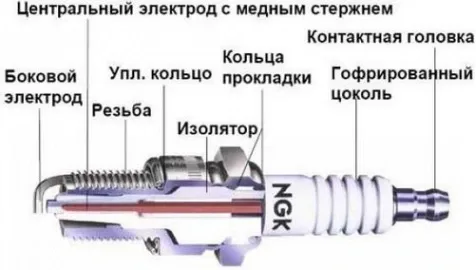
Конструкция обычной свечи зажигания включает несколько элементов:
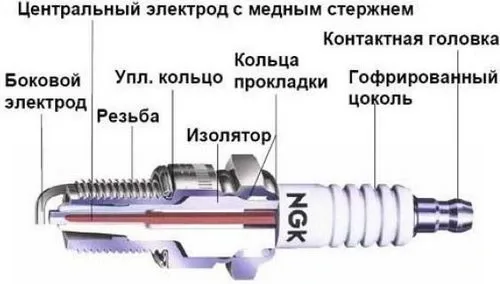
- контактный вывод — служит для соединения свечи с высоковольтными проводами системы зажигания или непосредственно с катушкой;
- изолятор — защищает свечу от перегрева; его часть, примыкающая к центральному электроду, особенно сильно влияет на работу свечи;
- рёбра изолятора — не дают возникать электрическому пробою по поверхности;
- центральный и боковой электроды — именно между ними образуется искра, поджигающая топливно-воздушную смесь;
- уплотнитель — предотвращает проникновение горячих газов из камеры сгорания.
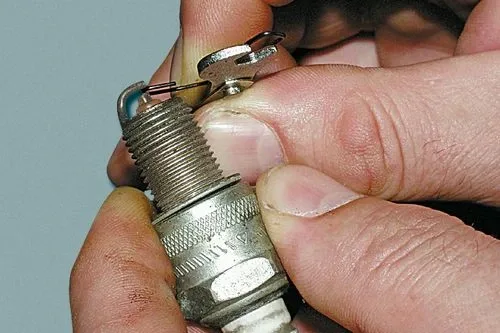
Ключевой параметр любой свечи — размер зазора между центральным и боковыми электродами. От него напрямую зависит эффективность воспламенения смеси. Чем больше зазор, тем мощнее искра и обширнее зона горения. В результате топливо сгорает полнее, расход остаётся стабильным, а двигатель работает ровно. Однако если зазор сокращён, искра появляется быстрее, а пробой происходит при меньшем напряжении. Но и энергии у такой искры меньше, что ухудшает поджог смеси и в итоге ведёт к снижению мощности и экономичности двигателя.
Ещё одна важная характеристика — калильное число, которое указывает на предельно допустимую тепловую нагрузку свечи. Отечественные свечи выпускаются с калильными числами 8, 11, 14, 17, 20, 23 и 26. У зарубежных производителей единой шкалы нет. По этому параметру свечи делят на «холодные», «горячие», средние и унифицированные. Слишком «холодные» свечи с большим калильным числом хуже самоочищаются, что приводит к перебоям в работе мотора. Если же свечи слишком «горячие», возможно калильное зажигание, которое по симптомам и последствиям напоминает детонацию.
Разновидности свечей
В разговорной речи свечи зажигания обычно делят на классические, платиновые и иридиевые.
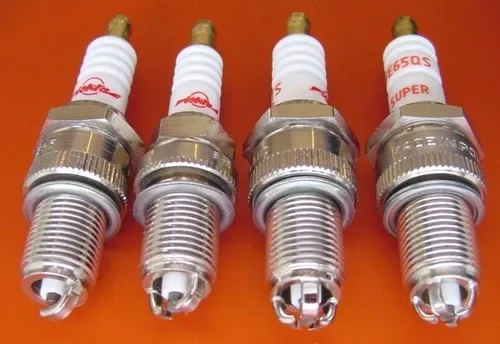
Названия эти связаны с материалами, из которых изготовлены электроды. У классических свечей электроды медные, у платиновых — из платины, у иридиевых — из специального иридиевого сплава. В ряде классических моделей медные электроды дополнительно покрывают иттриевым сплавом, что повышает их устойчивость. Платиновые свечи ценятся за то, что платина почти не выгорает, обладает высокой коррозионной стойкостью и выдерживает большие температуры, что даёт длительный срок службы. У иридиевых свечей свойства схожи. Самый большой ресурс — у свечей, где электроды выполнены из сплава платины с иридием.
Срок службы свечей
Долговечность свечей определяется множеством факторов. Производители рассчитывают ресурс этих элементов, исходя из материала электродов, а также примерных условий эксплуатации — климата, качества топлива и прочего. Так, классические свечи в среднем служат не дольше 50 тысяч километров, а платиновые и иридиевые — до 90 тысяч. Разумеется, эти показатели могут меняться, например, в зависимости от качества заливаемого бензина или состояния самого двигателя. Поэтому многие автопроизводители советуют менять классические свечи на каждом втором плановом ТО — скажем, через 30 и затем 60 тысяч километров. Если используются платиновые или иридиевые свечи, интервал можно увеличить в полтора-два раза.
Последствия несвоевременной замены
Предположим, срок замены свечей, указанный в регламенте, уже прошёл, а владелец автомобиля так и не поставил новые. Возможно, сразу ничего страшного с двигателем не случится. Но в какой-то момент машина просто не заведётся. Поэтому стоит внимательно относиться к признакам, которые указывают на скорый выход свечей из строя.
К таким признакам относятся:
- «троение» двигателя (подергивания при движении и на холостых оборотах);
- трудный запуск (стартер крутит, но воспламенения не происходит);
- повышенный расход топлива;
- рост выбросов СО;
- ухудшение динамики (мотор не набирает максимальные обороты, мощность падает).
Если на эти симптомы не реагировать, двигатель может выйти из строя.
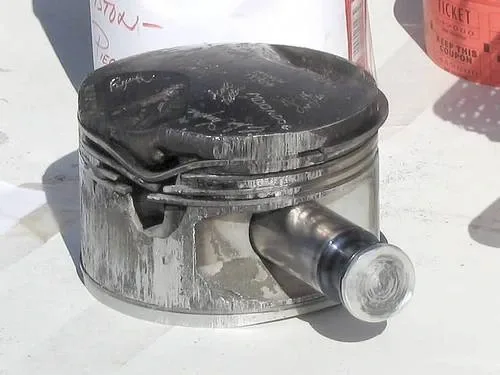
Одно из самых серьёзных последствий проблем со свечами — детонация в камере сгорания. При детонации части смеси возникает ударная волна, которая, в зависимости от объёма смеси, может быть настолько мощной, что спровоцирует детонацию всего оставшегося заряда в цилиндре. Когда ударные волны отражаются от стенок камеры сгорания, слышен металлический звон. При сильной детонации стуки становятся громче, мощность падает, а из выхлопной трубы идёт чёрный дым. Кроме того, мотор испытывает серьёзные тепловые и механические нагрузки. Могут обгореть кромки поршней, прокладки головки блока цилиндров и электроды свечей. Ударные волны разрушают масляную плёнку в верхней части цилиндра, ускоряя его износ.
Вывод:
- - В двигатель следует устанавливать свечи, рекомендованные производителем, с учётом калильного числа и других характеристик.
- - Даже если система зажигания работает стабильно, свечи нужно проверять на каждом плановом техобслуживании.
- - Длительная эксплуатация (пробег от 50 тысяч километров) оправдана при использовании свечей с платиновыми или иридиевыми электродами.
- - Чтобы продлить жизнь свечей, стоит заправляться только проверенным топливом, вовремя менять фильтры и следить за правильным зазором свечи.
- - При первых признаках неисправности — «троении», росте расхода топлива, нестабильных оборотах — нужно срочно обратиться на СТО или заменить свечи самостоятельно.