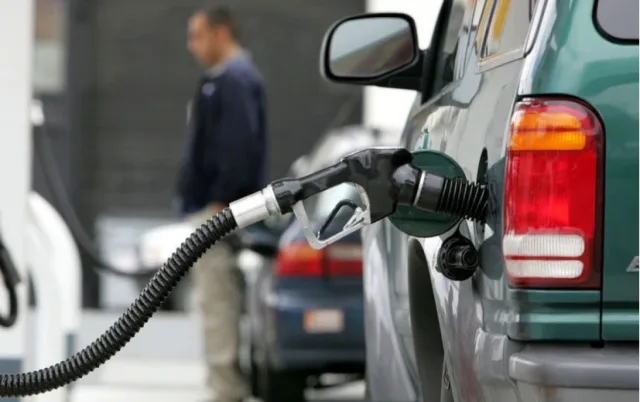
Крім того, зростання цін майже напевно підштовхне окремих продавців до спроб утримати привабливі цінники, щоб зберегти наявних покупців і залучити нових. Найпростіший шлях для цього — маніпуляції з якістю палива або з обсягом заправки. Чи вдалося їм це — з'ясували фахівці столичного Інституту споживчих експертиз, які дослідили два ключові для водіїв показники: точність відпуску пального та його хімічний склад.
Недолив чи перелив?
Фахівці протестували зразки, придбані у великих мережах (WOG, UPG), найбільшій мережі столиці та області (KLO), а також у так званих дискаунтерів — доволі розгалужених мереж, що пропонують нижчі ціни (БРСМ-нафта, U.GO, БАРС). Для повноти картини газ також закупили на нестаціонарній точці продажу, де ціна була на гривню нижчою, ніж навіть у дискаунтерів.
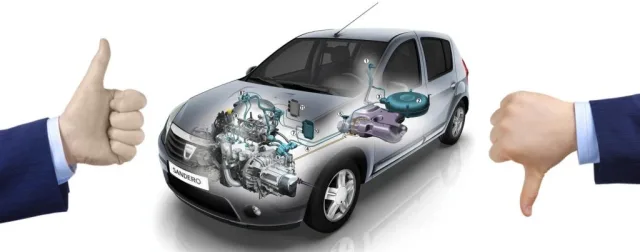
Серед власників авто з ГБО найпоширеніші розмови — про точність заправки на станціях, а саме про недолив. Причому йдеться не про якісь грами: у розмовах згадують і 3, і 5, і навіть 10 літрів. Жоден із «гаражних» знавців не припускає, що проблема може бути в самому газовому обладнанні — наприклад, у відсікаючому або мультиклапані, редукторі чи неякісних трубках. Відповідальною за все одразу вважається заправка. Тому перш за все експерти перевірили, чи такі випадки взагалі можливі.
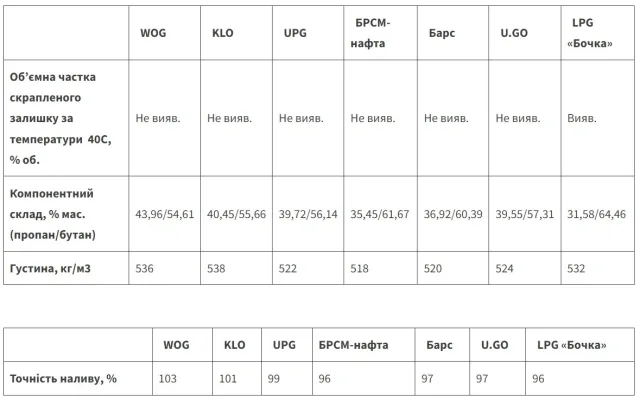
Згідно з нормами, недолив не має перевищувати 1%, але досягти такого показника на практиці непросто. Дослідники відібрали однакову кількість літрів газу на кожній АЗС, а потім перерахували її в об'єм з урахуванням густини. Результати вийшли протилежними: з одного боку, недолив справді зафіксували, а з іншого — він точно не сягає трьох і більше літрів на стандартному баку автомобіля.
Але почнімо з хорошого — у двох мережах (WOG та KLO) відпустили навіть більше, ніж було оплачено: на 3% та 1% відповідно. Це, загалом, логічно: репутація дорого коштує, і, можливо, саме тому в цих мережах були еталонні мірники для контрольного проливу, яким може скористатися будь-який клієнт.
Точно за чеком заправили на АЗС UPG. А от недолив виявили в мережах БРСМ-нафта, U.GO, БАРС та на нелегальній «бочці». Показник склав близько 3–4%. Це начебто небагато, але виходить, що вищі ціни у великих мережах практично компенсуються чесним відпуском, тобто реальна вартість майже однакова. І якщо порахувати річні обсяги продажів, то ці невеликі відсотки недоливу перетворюються на значні суми, які не проходять через фіскальну систему. Втім, це вже зовсім інша тема.
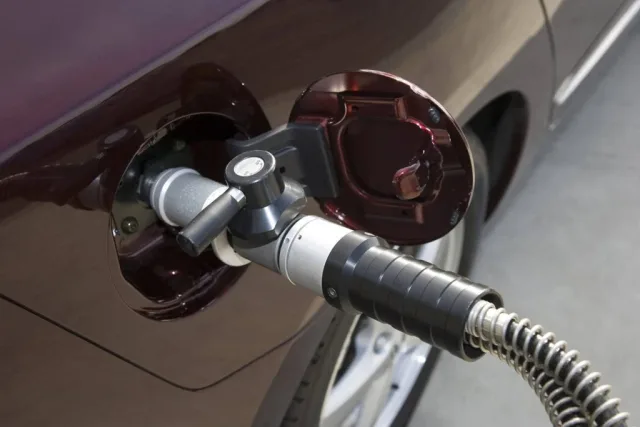
Звідки ж тоді беруться міфи про суцільний недолив? Фахівці з монтажу ГБО пояснюють, що причин може бути кілька. По-перше, балони, встановлені в авто, самі по собі не є точним вимірювальним приладом — їхня ємність, навіть зазначена в документах, є орієнтовною. Причому похибка у 20% — це цілком звичайне явище. Маркування також може відрізнятися: деякі виробники вказують, наприклад, об'єм 40 літрів, але мають на увазі 80% від повного обсягу. І якщо відсікаючий клапан не працює (а за словами майстрів з обслуговування ГБО, у половині випадків його взагалі немає або він зламаний), колонка може залити й усі 100%, і тоді розбіжність сягне тих самих 20%. Тож «газоводам» передусім варто ретельно перевірити стан свого обладнання.
Що виявили лабораторні аналізи?
Другим етапом стало вивчення компонентного складу — тобто того, з чого власне складається автомобільний газ. Як відомо, він є сумішшю пропану та бутану з додаванням інших вуглеводнів (ізобутану, пропілену, етану, етилену тощо). Також паливо має відповідати сезону — існують зимова та літня версії, як і для дизеля. Узимку та влітку співвідношення основних складників — пропану й бутану — має змінюватися: улітку це 40% пропану та 60% бутану, узимку — навпаки.
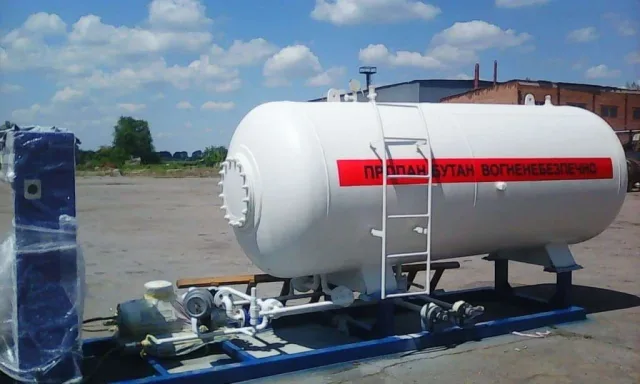
Лабораторні дослідження показали, що всі зразки були літніми. Найбільше пропану виявили в паливі WOG (44/55), майже ідеальним виявилося співвідношення у KLO (41/55) та UPG (39/56). Такі пропорції забезпечують максимально повне згоряння суміші, а отже, і хорошу динаміку зі збереженням економічності. У зразках KLO та WOG також зафіксували низький вміст пропілену, який шкодить паливній системі. Це чіткий показник того, що газ справді є автомобільним пропан-бутаном (ПБА). Простіше кажучи, таке паливо на виробництві проходило додаткове очищення.
Наостанок перевірили ще один важливий параметр — густину газу. Чим вона вища, тим більший пробіг. Найкращі показники знову виявилися у KLO та WOG — 538 і 536 кг/м³ відповідно. На іншому кінці шкали опинився зразок БРСМ-нафта з густиною 522 кг/м³.
Підсумовуючи, директор Інституту Юрій Чорнобривець зазначив, що «ситуація з газом не настільки погана, як могла б бути. Порушення є, але назвати їх критичними складно. Головне, що в продажу — лише заводське паливо, про що свідчать і відносно стабільні ціни, і достатній обсяг пропозиції». Щодо недоливу, експерти радять водіям заправлятися лише там, де колонки мають належно оформлену метрологічну повірку та відповідні пломби. Це значно знизить ризик. А от із «гаражними» байками про суцільно неякісний газ, який ще й недоливають десятками літрів, варто попрощатися. Якщо ви хочете економити та встановили ГБО — не скупіться і обслуговуйте його належним чином. Так ви збережете і автомобіль, і гроші, і власну безпеку.
Підсумки експертизи
Олександр Бабенко