
АвтоПортал уже знакомил своих читателей с тем, как в Украине формируются цены на новые автомобили. Чтобы наш читатель мог лучше ориентироваться и понимать, как устроена система взаимоотношений, для начала опишем возможные способы покупки автомобиля в кредит и те скрытые переплаты, которые могут возникнуть.

О базовых вещах
Начнём с традиционных схем процентного кредитования. На сегодняшний день существуют два основных подхода — так называемая классическая схема и аннуитетная. Ключевое различие между ними в том, что в первом случае проценты начисляются на остаток долга, а во втором — на всю сумму кредита. При одинаковой процентной ставке общая переплата по аннуитету окажется больше. Чтобы это было нагляднее, приведём таблицу с расчётом платежей.
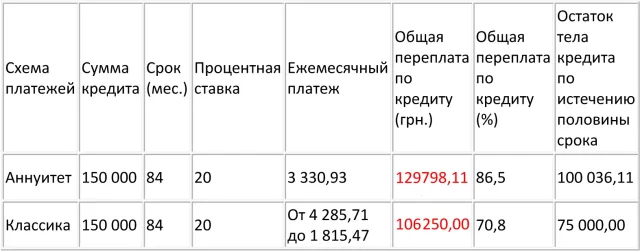
Что обычно заставляет клиента остановиться на той или иной схеме? Как видно из таблицы, остаток по телу кредита после половины срока всегда больше при аннуитете. Соответственно, если вы планируете погасить займ досрочно до середины срока, аннуитет может оказаться более выгодным. Если же досрочное погашение не предполагается либо произойдёт во второй половине срока, логичнее выбрать классическую схему. Это справедливо для кредитов сроком от двух лет и более. При займах до одного года аннуитет невыгоден в любом случае.
Обычно равные платежи выбирают те, кто не может вносить высокие первоначальные взносы, характерные для классической схемы. При этом они отдают себе отчёт (или нет?), что переплата будет существенно больше. Повышенная стоимость — это своего рода плата за возможность получить автомобиль прямо сейчас.

Здесь всё понятно. По крайней мере, в этой схеме открыто видно, на чём зарабатывает банк. Но кредитору иногда этого недостаточно, и он находит дополнительные источники дохода. Это так называемые «скрытые» платежи.
«Скрытые» платежи
Конечно, их никто не прячет, и они указаны в договорах, однако о них не упоминают ни в рекламе, ни в информационных материалах. А если и упоминают, то лишь в сносках и мелким шрифтом. На что клиенту стоит обратить внимание при изучении кредитной схемы и учесть при предварительном расчёте возможной переплаты?
Отметим, что речь идёт о «беспроцентном» кредите, где ежемесячные комиссии не встречаются. Ну, или крайне редко. А вот разовая комиссия банка присутствует всегда (выплачивается в начале и начисляется на всю сумму кредита). Второе, о чём нужно знать, — завышенная стоимость страхования кредитных рисков и страхования транспортного средства. Ни для кого не секрет, что большинство банков сотрудничают со страховыми компаниями и получают за каждого рекомендованного клиента определённый процент. В народе это называют «откатом».
Рассмотрим расчёт стоимости кредита на примере схем, используемых при продаже автомобилей Renault (Logan, Logan MCV, Duster, Fluence, Megane, Sandero, Scenic, Latitude, Koleos, Lodgy, Dokker, Kangoo, Trafic).
Для примера возьмём НОВЫЙ LOGAN Base 1.2, Бензин, 73 л.с., с рекомендованной ценой 110 800,00 грн. Кредит можно оформить максимум на два года. Рассмотрим вариант на один год.
Для участия в программе беспроцентного кредитования необходимо внести первоначальный взнос 60% от стоимости автомобиля. Соответственно, предоплата составит 66 480,00 грн. Сумма кредита — 44 320,00 грн.
Но к этой сумме нужно добавить стоимость страхования кредита. Она составит на один год 1%. Итого — уже 44 763,20 грн. Комиссия за выдачу кредита составляет единоразовые 2,5% — 1 119,08 грн. Саму сумму делим на 12 и получаем ежемесячный платёж в размере 3730,27 грн.
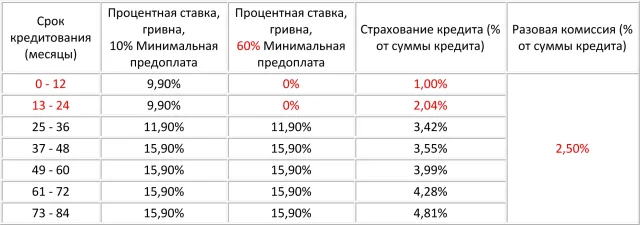
Дополнительная информация: Комиссия за выдачу кредита: 2,5%
Обязательное страхование: КАСКО с возможностью оформления в кредит, страхование гражданской ответственности и страхование Заёмщика 1% годовых
Что можно сказать — действительно, кроме первоначальной разовой комиссии переплат нет. И тут наш читатель задаёт резонный вопрос: а в чём подвох? Ну, никак не хочется верить, что банк ничего не зарабатывает. Тогда разбираемся дальше.
Чаще всего автомобильная компания работает в тесной связке с банком. В случае с Renault это французский банк, который уже давно сотрудничает с автопроизводителем. Их общая задача — не только заработать на кредите, но и разгрузить склады готовой продукции, стимулировать продажи.

Смысл схемы заключается в следующем:
банк выкупает автомобиль у салона с дисконтом. Например, автомобиль стоит $15 тысяч. 60% или $9 тысяч вносит заёмщик, банк же доплачивает салону не всю оставшуюся сумму в $6 тысяч, а только $5 тыс. А вот заёмщик должен погасить кредитору все $6 тысяч. Плюс к этому — единоразовая комиссия и бонус от страховой компании. По сути, именно таким образом банк зарабатывает на беспроцентном автокредите. Дилер же фактически продаёт автомобиль в кредит без процентов и в суммарной прибыли ничего не теряет. Дело в том, что он зарабатывает на увеличении объёма продаж. Это официальная версия. В случае с Renault, Nissan, Citroen и Peugeot (у этих марок есть свои финансовые программы), это наиболее вероятная схема.
Подводя итог, давайте попробуем отобразить схему заработка банка, продавца автомобиля и страховой компании.
Полис КАСКО при оформлении такого займа зачастую стоит дороже, чем по стандартному автокредиту. Но надо сказать, что это касается не всех кредитных программ. Так, например, у банка-партнёра Renault в рекомендуемой страховой компании процентная ставка по КАСКО составляет 6,6% при оформлении любого кредита. В некоторых других же организациях, которые предлагают «беспроцентную рассрочку», она доходит до 9,9%, а разовая комиссия — до 3,5%. Показательно, что по обычным займам практически всегда предлагаются несколько страховых компаний на выбор, а для нулевых кредитов — одна, две. На самом деле у заёмщика нет выбора. Все страховщики, которых рекомендует банк, участвуют в программе по одинаковым договорам. Точно так же можно работать и с нотариусом. Он с удовольствием будет делиться долей из денег заёмщика с банком, который направляет клиента к нему.

Если вы решите брать беспроцентный кредит, учтите, что как и в случае с любой другой схемой покупки автомобиля, нужно иметь не такой уж маленький запас не только на покупку страховки и оформление, но также на нотариуса и пр.
В таблице указаны все платежи, которые придётся внести за оформление страховки, кредита, регистрацию авто на примере Renault Logan 1.2 за 110 800 грн обойдётся:
1980,00 грн. — услуги нотариуса (выдержки из реестров, регистрация автомобиля в государственном реестре отягощений),
7312,00 грн. — полис КАСКО (6,6% от стоимости автомобиля),
576,00 грн. — страхование гражданско-правовой ответственности владельцев наземных транспортных средств
1119,08 грн. — 2,5% единоразовой комиссии
443,20 грн. — 1% страхование кредита
3772,00 грн. — регистрация транспортного средства (калькулятор расчёта расходов на регистрацию).
Итого: 15 202,00 грн*
*при расчёте на 1 год. При оформлении кредита на два года нужно учесть, что в следующем году придётся снова платить за страховку
Несмотря на дополнительные платежи (хотя они невелики), нулевой кредит всё же остаётся самым выгодным предложением на рынке. Да, страховка может быть дороже, она оплачивается один раз в год. Так что это неплохой выход для людей, у которых есть накопления и для приобретения транспортного средства не хватает небольшой части. Кроме того, это очень удобная схема при покупке автомобиля по программе Trade-In. Так как сумма, вырученная за предыдущую машину, чаще всего равна начальному взносу за новый, с учётом страховки. Им и подходит нулевой заём. Тем не менее, большинство клиентов считают единственным и самым большим недостатком таких кредитов именно большую сумму первоначального взноса, которая чаще всего составляет от 50 до 60% от стоимости автомобиля.