
Floods in Germany (and other European countries)
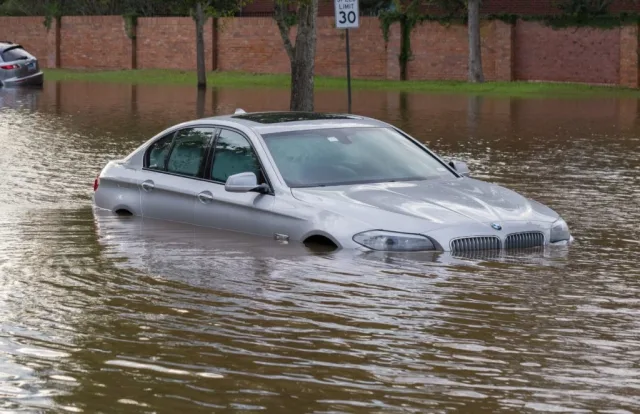
For those who are not in the know, we inform you: last week, a number of Western European countries experienced heavy rainfall, causing major rivers to overflow their banks, which, in turn, led to one of the most massive floods in history. Germany suffered the most. Many people died, and more than a thousand are considered missing. Material losses are enormous. Homes, shops, and roads were damaged by the water. Cars also "got it" – thousands of vehicles suffered huge damage, with many cars beyond repair (we previously published videos of flooded Audi and Porsche dealerships in Germany Audi and Porsche).
As is often the case in life, human tragedies are a great opportunity for some individuals to enrich themselves. So in the coming weeks after the disaster, cars at bargain prices may appear on popular online auto sales platforms.
It is important to understand that recognizing a flooded car can sometimes be quite difficult. Some resellers and "importers" do pre-sale preparation, carefully masking defects.
In addition, the buyer's eyes may be clouded by an incredibly attractive price and the desire to own a fresh used car for little money. In such situations, people often switch off their brains and start imagining themselves behind the wheel of such a car. Only after a few days will a specific smell begin to emanate from the car, and the electronics will start going crazy. Ultimately, there is a risk that a newly purchased car could turn into a piece of real estate.
In this regard, it is important to keep a clear head and be vigilant. Also, thoroughly inspect the car. Below, AvtoPortal provides a list of "symptoms" that may indicate that the car has survived a flood.
How to recognize a flooded car
Signs by which such cars can be distinguished often include:
- fogging (condensation) in the headlights, inside the windows (especially in the corners), and on the dashboard;
- missing floor mats (they are removed so that the floor covering dries better);
- a suspicious smell in the cabin, combined with a sharp aroma of "Christmas tree" (the cabin "sweats" and the resulting stench is tried to be masked this way);
- brown or gray sediment under rubber seals (dried sediment - do not confuse with white residues of polishing paste);
- traces of silt and sediment under the mat in the trunk and inside;
- suspicious deposits in the wheel arches and on the shock absorbers;
- rusty spare wheel (space-saver) and repair kit;
- corrosion or brown deposits on the contacts;
- wet/damp seat belts;
- corroded brake mechanisms;
- the "Check Engine" light is on, any electrical problems, including those related to lighting;
- "washed engine".