According to the State Fiscal Service, in the first half of 2016, the capital's budget received UAH 60.452 million from the retail excise tax on the sale of liquefied gas. These figures were published by the SFS in response to a request from the temporary control commission of the Kyiv City Council, which is checking the operation of gas stations, including gas filling stations, and oil storage facilities within Kyiv.
With an average retail excise rate of UAH 1.17 per liter for the specified period, such revenues correspond to sales of approximately 28.4 thousand tons of liquefied gas. However, according to estimates by the Consulting Group A-95, the real volume of the propane-butane market in the capital during the same period amounted to about 90 thousand tons.
Artem Kuyun, an expert at the Consulting Group A-95, noted that in the first half of 2016, excise tax was paid on only 30% of the liquefied gas sold, which is why the city budget lost about UAH 140 million.
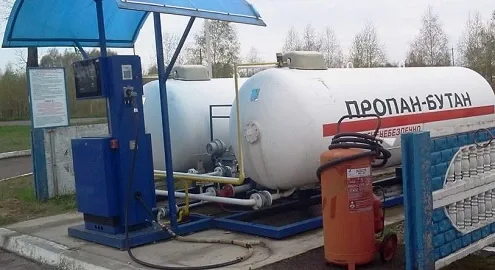
Specialists attribute the bulk of the shortfall to the active growth in the number of illegal automobile gas filling points. As calculated by A-95 and the Kyiv City State Administration, their number today reaches 300, which significantly exceeds the number of legal gas supply points.
The reason for the emergence and growth of shadow trade in liquefied gas was the introduction in 2015 of a retail excise tax on excisable goods (€0.042 per liter) on petroleum products.
Artem Kuyun emphasized that most illegal gas stations operate without cash registers, turning the retail excise tax into their own profit and gaining an advantage over honest operators. According to him, the scale of tax-free trade will only increase, at the expense of those who currently pay taxes properly - they will have to go into the shadows to survive.
Experts see a way out of the situation in abolishing the retail excise tax and transferring its rate to the base excise tax, which is administered much more efficiently, with subsequent redistribution of the received funds to local budgets.