On Thursday, the three main institutions of the European Union — the executive, the legislature, and the member states — reached an agreement on the requirement for the automotive industry to ensure zero emissions by 2035.
This decision will make it impossible to register new cars with petrol or diesel engines for operation on the region's roads after the specified date. Thus, the transition to electric vehicles will take place at a faster pace.
In addition, the agreement provides for a 55% reduction in CO2 emissions for new cars sold in 2030, relative to 2021 levels. This significantly exceeds the previous target of a 37.5% reduction that was in effect until now.
This agreement was a surprisingly swift step forward for an initiative that has been one of the most challenging in the EU since its announcement a year ago as part of the bloc's "green" economic course. It also puts an end, at least on the European continent, to the era of transport that has prevailed here since its invention in the 19th century.
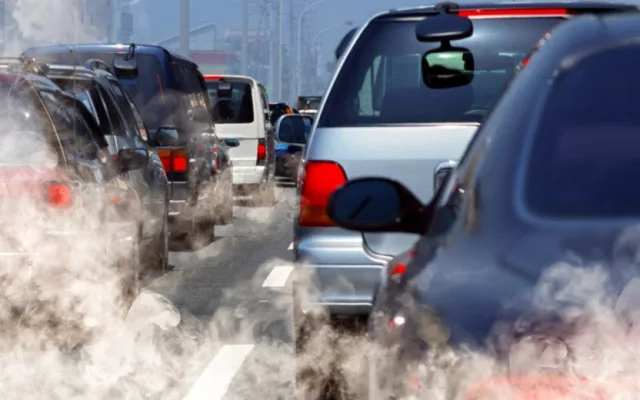
EU to ban internal combustion engines from 2035

Advertising
Comments
No comments yet. Say the first word.
Write a comment No sign-up needed - just your name.
Anna Tkach
AutoPortal editorial team
Car reviewer and copywriter with 10 years of experience in media. Worked with the Layboard and INKORR newsrooms. Specialises in car news, new-model reviews, vehicle comparisons and global market trends.
11,904articles by this author