Let's look at the most interesting ones.
An engine connected to the Internet: reducing harmful emissions and fuel consumption
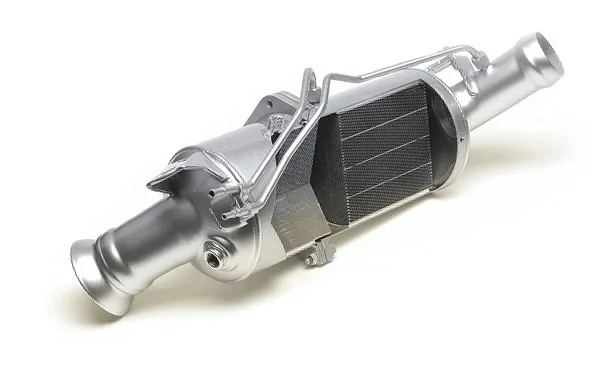
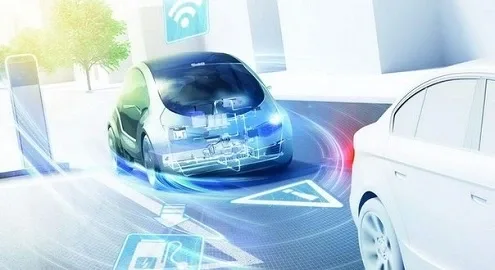
Diesel particulate filters connected to the Internet. Thanks to network technologies, Bosch can control the regeneration of the diesel particulate filter using the "electronic horizon" based on data about the upcoming route. For example, you can start filter regeneration on the highway to complete it fully by the time the car enters the city.
Predictable powertrain. The "electronic horizon" system provides detailed information about the upcoming route. For example, the navigation system reports that in a few kilometers the city center or a zone with restricted vehicle traffic begins. In this case, the car will charge the battery in advance to drive through this zone entirely in electric mode, reducing emissions to zero. With the development of this technology, Bosch vehicles will receive real-time information about traffic jams and road repairs via the Internet.
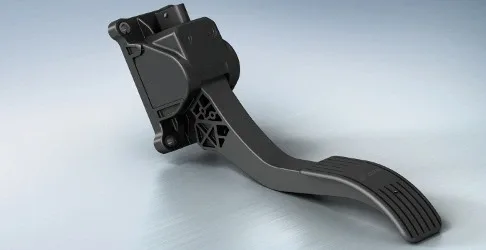
Active accelerator pedal. The Bosch active accelerator pedal helps save fuel by suggesting the optimal pedal position to the driver with a gentle tactile signal. This technology provides fuel savings of up to 7%. And with driver assistance systems such as adaptive cruise control, the pedal becomes a warning device, working in conjunction with the navigation system or a camera that recognizes road signs. For example, if the car approaches a dangerous turn at too high a speed, the innovative Bosch accelerator pedal will give the driver a tactile warning signal.
On the way to automated driving: assistance with maneuvers, turns, and driving in heavy traffic
Maneuvering assistance system. The maneuvering assistance system helps the driver avoid hitting an obstacle. Radar and video sensors recognize and determine the size of the obstacle. By participating in steering, the assistant helps an inexperienced driver avoid the obstacle. The assistant allows achieving the maximum wheel steering angle 25% faster and increases driver safety even in extremely difficult situations.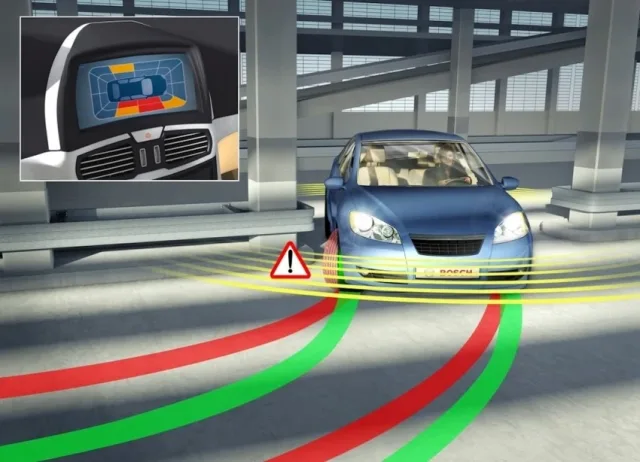
Turn assistant with crossing of oncoming traffic flow. When turning across oncoming traffic, you might misjudge the distance to an approaching car. The assistant uses two sensors located in the front of the car to scan the oncoming traffic flow. If there is too little space in the traffic flow for the turn, the system will not allow the car to move off. Or, if there is a threat of an imminent collision with an oncoming vehicle, the system will promptly activate automatic emergency braking and stop the turn.
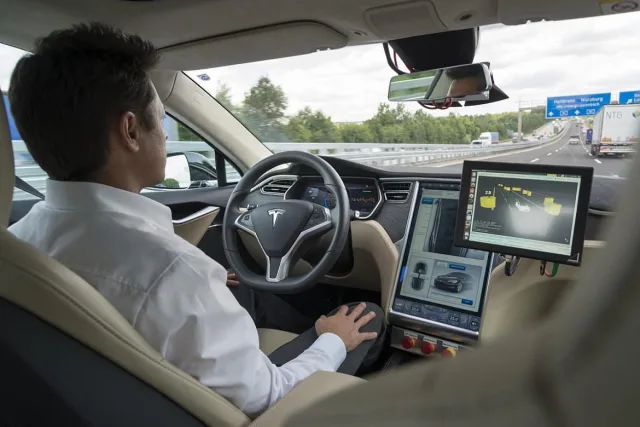
Highway autopilot. The highway autopilot is a highly automated driving function that takes full control of the car on the highway. The necessary requirements for this function are: highly accurate and up-to-date map data; powerful interconnected control units; sensors that reliably monitor the situation around the car. When entering a highway, the driver can engage the autopilot and calmly lean back in the seat. Before exiting the highway, the highway autopilot will warn the driver that it is time to take control of the car again. Bosch is already testing this system on public roads, installing it on specially equipped vehicles. Provided that the necessary changes are made to the regulatory framework—primarily to UNECE Regulation No. 79 of the Vienna Convention on Road Traffic—the highway autopilot could be put into production by 2020.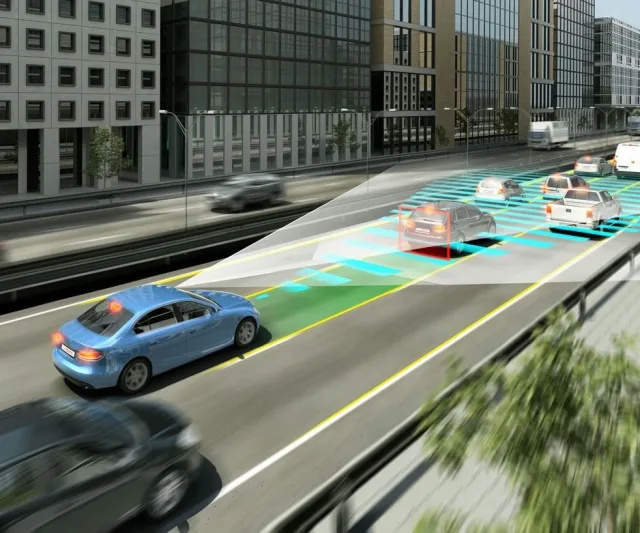
Traffic jam assistant. The driver assistance system for traffic jams operates based on sensors, the Stop&Go function of adaptive cruise control, and the lane departure warning system. In heavy traffic moving at speeds below 60 km/h, the system automatically maintains the distance to the vehicle ahead. The assistant not only automatically..