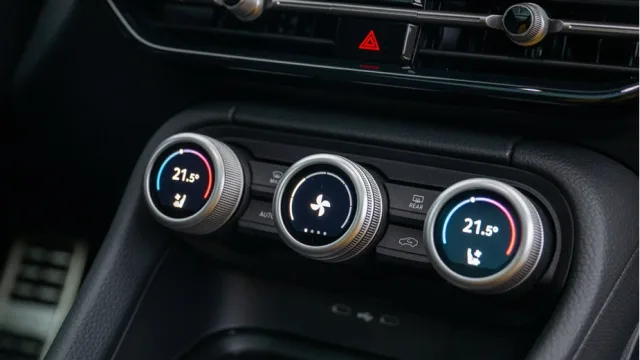
1. The main thing is to maintain the temperature balance
The difference between the temperature in the cabin and outside should not exceed 5 °C. For example, when it is 31 °C outside, it is advisable to set the air conditioner to about 26 °C. This way, the body adapts to the heat more easily, and health is not at risk.
2. Do not turn on cooling at full power immediately
First, you should ventilate the car: lower the windows and turn on weak airflow. This way, hot air will leave the cabin, and you will not experience a sharp temperature change that could be stressful for the body.
3. Prefer automatic mode
Modern climate control systems independently select the temperature, power, and direction of air supply, based on data from sensors inside the car. This is convenient and less risky for your well-being. If you control it manually, do not set the lowest temperature—it is better to lower it gradually.
4. The direction of the air flow also matters
Experts recommend directing the central deflectors upward and the side ones toward the windows. The main thing is that the air stream does not blow directly into your face or chest, otherwise you can catch a cold or get a sore throat.
5. Prepare in advance to leave the car
A few minutes before the end of the trip, it is worth slightly increasing the temperature in the cabin. This will reduce the contrast with the street heat and eliminate unpleasant sensations. In addition, turn off the cooling a few minutes before stopping—this reduces humidity and prevents mold formation.
6. Timely maintenance is the key to performance and safety
Do not forget about regular care: at least once a year, you should disinfect the air conditioner, and change the cabin filter according to the schedule.