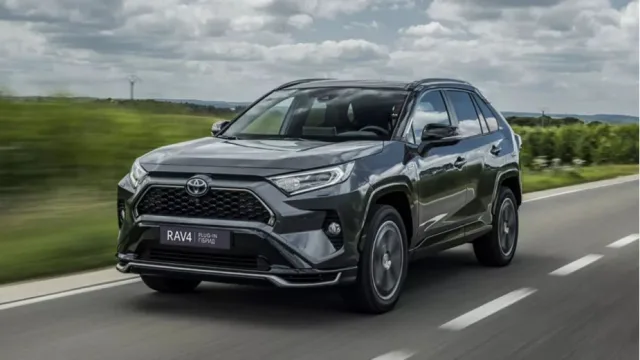
In European countries, Toyota customers are currently forced to wait for hybrid versions of cars on average from 60 to 70 days — twice as long as in 2022. The longest waits are for the Yaris Cross and RAV4 Plug-in Hybrid models. For comparison, in Japan waiting times range from two to five months, and in India — up to nine months.
The company acknowledges the problem but emphasizes that hybrid production volumes correspond to the previously approved plan. At the same time, over the past year, demand for such cars has grown significantly in almost all regions of the world. Toyota has promised to do everything possible to increase production taking into account new market conditions.
To reduce waiting times, the Japanese manufacturer is directing additional investments to expand capacity. In particular, in India it plans to increase output by 100 thousand cars annually. In addition, 14 billion dollars will be invested in creating a battery production plant in the US state of North Carolina.
At the same time, supply delays may affect buyers' choices. In Ukraine, for example, interest in hybrids has recently been declining — likely due to the growing number of offers on the electric vehicle market and preferential customs clearance for such cars.
Overall, Toyota is making efforts to overcome the shortage of hybrid cars: investing in production development and striving to meet the growing demand for its models in various parts of the world.