
Tire Hardness
The degree of material hardness affects traction, smoothness, and ride softness, and therefore the level of comfort. Soft tires will fully provide good performance in all these parameters. However, fans of "driving with the wind" will not like this option, since when taking sharp turns and performing maneuvers, soft tires will lead to noticeable body roll.
When choosing tires, base your decision on your own needs and preferences: soft tires are suitable for leisurely driving on city streets, while harder ones are better for high-speed highway driving. You can compare prices and navigate models on the website https://m.ua/.
Low-Profile or Standard Tires
Low-profile tires are those with a height-to-width ratio of at least 50%. Such products are stiffer, which improves the vehicle's directional stability and reduces the tendency to skid even at high speeds. But the advantages of low-profile tires end there. Negative aspects include excessive load on the suspension, high cost, and insufficient comfort. Full-profile tires are less sensitive to road irregularities.
Rolling Resistance
The rolling resistance index is denoted by Latin letters, where A is the lowest and G is the highest. Considering this parameter when choosing summer tires, motorists can significantly reduce fuel consumption: the lower the resistance, the less fuel is consumed. Although high efficiency indicators affect the cost of tires, the financial investment will pay off fairly quickly due to reduced consumption.
Tread Pattern
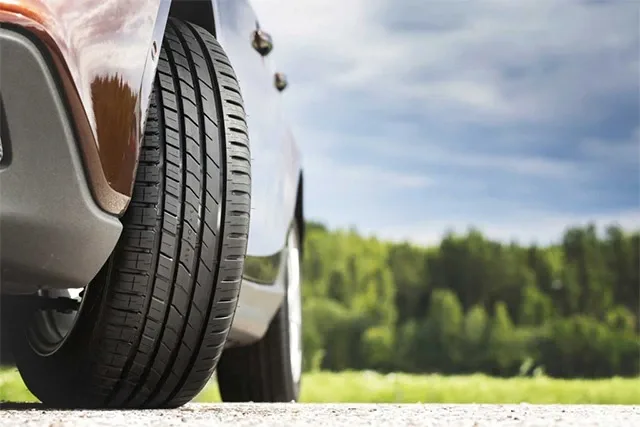
This indicator affects noise, handling, and traction, especially on wet road surfaces. Tires with a directional type will provide decent resistance to aquaplaning. This is a "high-speed" option that will last a long time with predominant use at high speeds. Symmetrical tires are not as confident in rainy conditions but offer better comfort. Asymmetrical tires combine the characteristics of the two previous tread types — such tires are characterized by increased wear resistance and resistance to aquaplaning.
Load Capacity
A load index that exceeds the maximum load capacity per wheel at full curb weight by 15–20% is considered safe. Otherwise, premature tire wear and reduced safety indicators are inevitable.
Note that universal models do not exist. When choosing, consider the characteristics of your vehicle and your driving style.