The kinetic energy released by the shock absorbers in this case will be converted into electrical energy and transferred to a separate lithium-ion battery. Audi calls the new shock absorbers "electromechanical rotary dampers." They are connected to a 48-volt electrical system located on the rear axle, which includes a lithium-ion battery with a capacity of 0.5 kilowatt-hours. The kinetic energy is converted into electrical energy through a compact gearbox and generator. It can then be used either to drive the electric motor in a hybrid powertrain or to power the vehicle's electrical components.
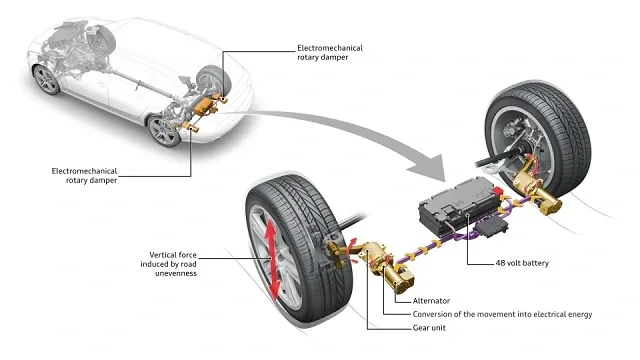
Thus, the worse the road, the more energy the system can deliver to the battery. Tests on German roads showed that this value, depending on the quality of the surface, can range from 3 to 613 watts. In this case, the level of harmful emissions can be reduced by three grams per kilometer. In addition, the new design, due to its compactness, will allow for an increase in the trunk space.
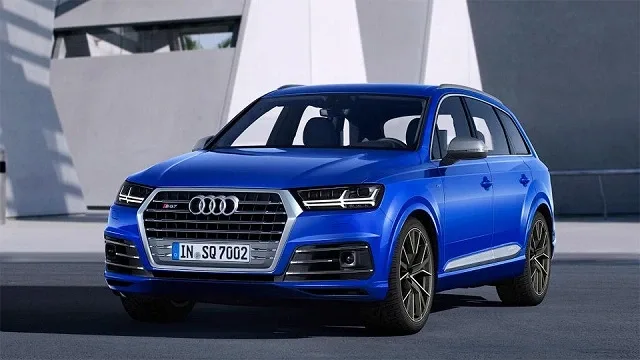
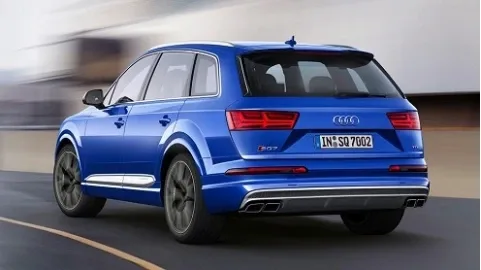
When the eROT system will debut on production cars is unknown. Audi has called it a "confidence-inspiring" prototype. At the same time, the German company emphasized that the main condition for eROT to work is the presence of a separate 48-volt system — such as the one that debuted in March 2016 on the production "hot" SUV SQ7. An updated version of this system is expected to appear in 2017 on some hybrid model.