
Today, for most people, a car is not a luxury, as it was at the beginning of the 20th century, but a necessity.
People living in megacities need to get to work every day, sometimes covering dozens of kilometers. Some use vehicles for the needs of society: ambulances, fire trucks, or police cars.
It is not surprising that since the invention of the first car, people have constantly tried to find new ways to keep it operational for as long as possible.
Why does a car need a radiator, and how to maintain it?
Car radiators are a component of the car's cooling system. Initially, when the problem of engine overheating arose, it was decided to make several holes in the car's hood. But it became clear that this simple approach would not solve the heat dissipation problem. A brilliant idea emerged to redesign the cooling method.
The radiator system is organized to ensure maximum removal of excess heat into the atmosphere. A special coolant, passing through the entire engine, ensures there are no overheating problems: it absorbs accumulated heat, carries it to the radiator, where after cooling to normal temperature, it returns to the engine. To ensure that the "heart of the iron horse" does not overheat at idle speeds during stops, the radiator is equipped with a special fan that turns on when it is necessary to cool the engine.
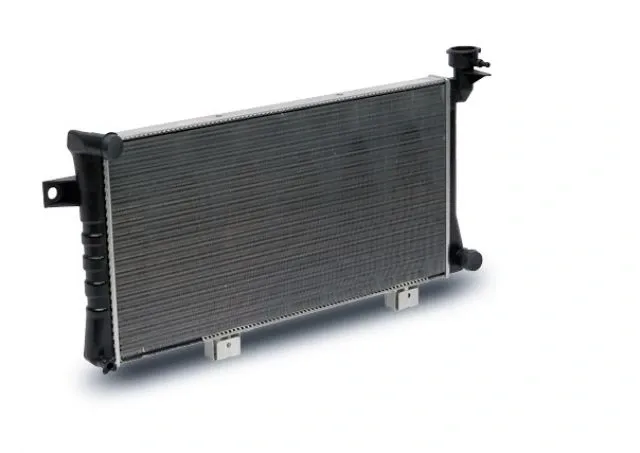
The radiator gets clogged with debris and dirt, so it needs cleaning. To understand if the cooling system needs cleaning, you should drain the antifreeze: if it is clean, then you don't need to flush the radiator yet. Otherwise, first pour clean distilled water into the cooling system and run the car for twenty minutes. Repeat the procedure several times until the drained liquid is clear. If using additional cleaning agents, you need to flush the radiator five times with cold water to avoid corrosion. It is also better to clean the cooling system grille from accumulated debris by simply blowing it out.
Engine oil works better when cooled
The invention of the motor necessitated finding means to improve its operation. That's when the idea came to create a viscous substance that would help avoid negative consequences associated with friction of engine parts. But as speed increased, the car began to heat up significantly, and engine oil under the influence of temperature began to lose its beneficial properties.
When heated, the properties of the lubricating fluid change, and its viscosity drops to a critical level. As a result, during engine acceleration, its parts completely wipe off the oil film and begin to quickly come into contact with each other. This means that additional dry friction, for example, between pistons and cylinder walls, leads to an even greater increase in temperature.
It should be remembered that high-quality automotive oils are one of the components that will help keep the car operational for as long as possible.
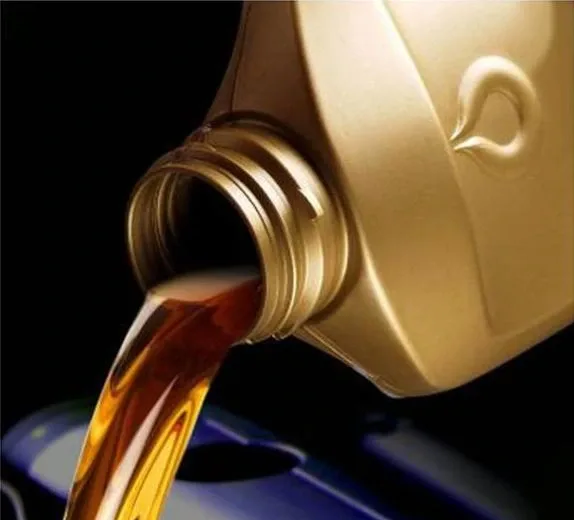
But it is even more important to consider that without a good cooling system, you won't be able to drive your "four-wheeled friend" for long. Therefore, special attention must be paid to the radiator and its condition: perform sanitary cleaning as needed, and also regularly change the oil.
The article is based on materials from ua.all.biz