Что значит «турбина гонит масло»?
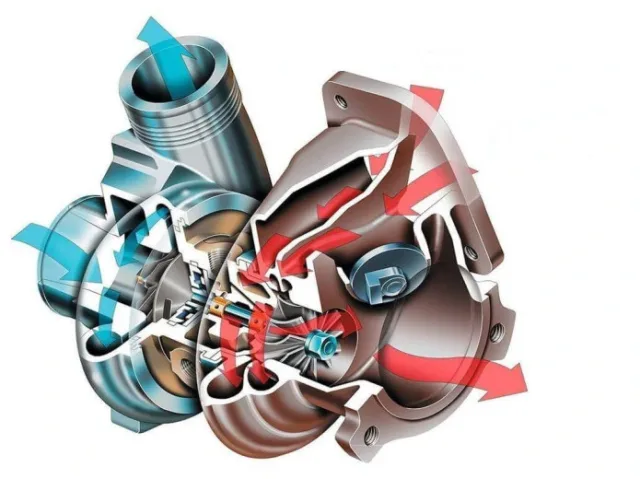
Когда говорят, что турбина гонит масло, обычно имеют в виду утечку моторного масла в турбокомпрессор. Масло может попадать как во впускной тракт, так и в выпускной. Это может быть связано с износом маслосъёмных колец, повреждением уплотнений, чрезмерным давлением масла в системе или загрязнением дренажного канала. В результате масло попадает в камеры сгорания двигателя, из-за чего появляется сизый или синий выхлоп, повышается расход масла и ухудшается работа мотора.

Можно ли ездить, если турбина гонит масло?
Если турбина гонит масло - ездить можно, но крайне нежелательно и опасно для двигателя. В случае, если проблема только появилась, и утечка небольшая, автомобиль может ещё какое-то время функционировать, особенно при бережной езде. Однако это временное решение. С каждым километром последствия будут становиться всё серьёзнее. Ниже рассмотрим, почему не стоит откладывать ремонт:
1. Масло в системе впуска и сгорания
Если масло попадает в впускной тракт, оно может проникать в цилиндры и сгорать вместе с топливом. Это приводит к:
Повышенному нагару на поршнях и клапанах
Детонации и потере мощности
Засорению интеркулера и дроссельной заслонки

2. Угроза масляного голодания
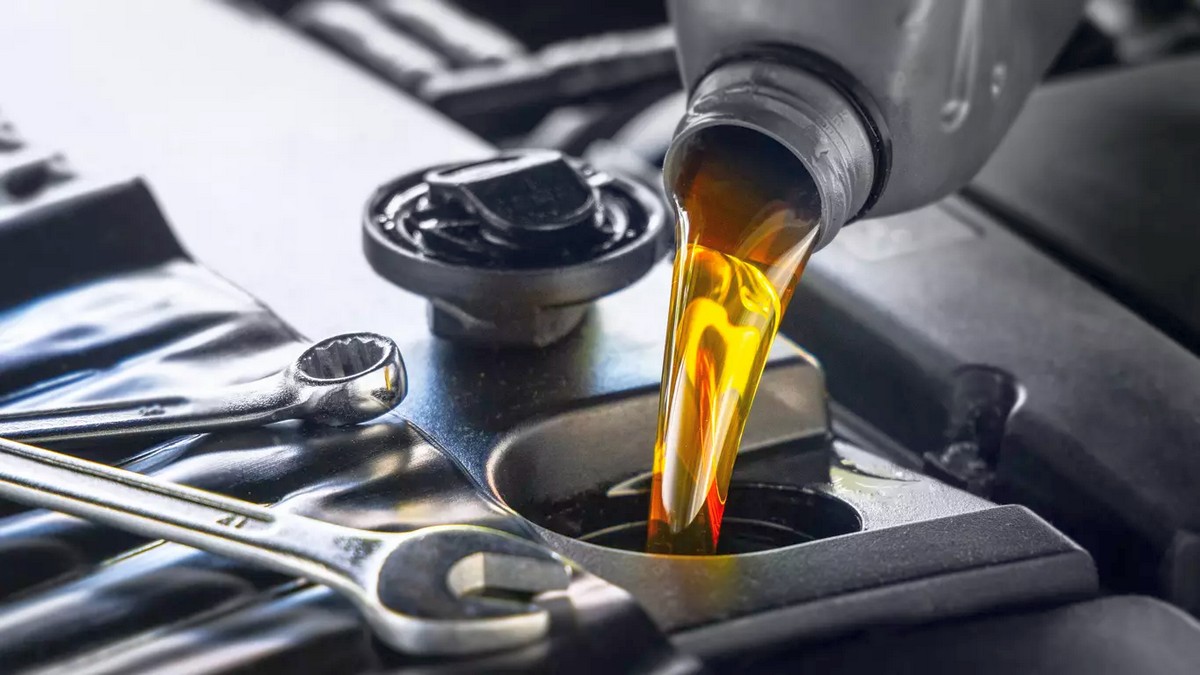
Турбина забирает масло из общей смазочной системы двигателя. Если турбина гонит масло, его уровень в моторе быстро снижается, особенно при активной езде. В результате может возникнуть масляное голодание, что ведёт к:
Износу двигателя
Заклиниванию турбины
Поломке масляного насоса и распредвалов

3. Возможность масляного клина
Самый опасный сценарий - масляный клин. Это происходит, когда большое количество масла внезапно попадает в цилиндры. Поскольку масло несжимаемо, поршень не может завершить рабочий ход, и это приводит к гидроудару. Итог - пробой блока, разрушение шатунов или полная смерть двигателя.
Как определить, что турбина гонит масло?
Раннее выявление неисправности может сэкономить вам значительные суммы на ремонте. Вот основные симптомы:
Появление сизого или синего дыма из выхлопной трубы
Повышенный расход масла
Масляные следы в интеркулере или патрубках
Посторонние звуки от турбины (свист, воющий звук)
Снижение мощности двигателя
Если вы заметили хотя бы один из этих признаков, лучше не продолжать эксплуатацию машины, а как можно скорее обратиться на диагностику.
Ремонт турбины: что делать?
Если подтвердилось, что турбина гонит масло, вариантов два:
Ремонт турбины
Возможен в случае, если повреждения не критичны. Меняются сальники, подшипники, проводится чистка. Такой ремонт обойдётся дешевле, но стоит выбирать проверенные сервисы.Замена турбины на новую или восстановленную
При сильном износе проще и безопаснее поставить восстановленную или новую турбину. Это дороже, но надёжнее в долгосрочной перспективе.
Так можно ли ездить, если турбина гонит масло? Ответ: можно, но это серьёзно угрожает ресурсу двигателя и самого автомобиля. Езда с такой неисправностью быстро приведёт к ухудшению состояния мотора, дорогому ремонту и даже полному выходу из строя. Лучше не рисковать и при первых признаках обратиться к специалистам. Своевременный ремонт турбины - это не только экономия, но и гарантия надёжной работы машины в будущем.