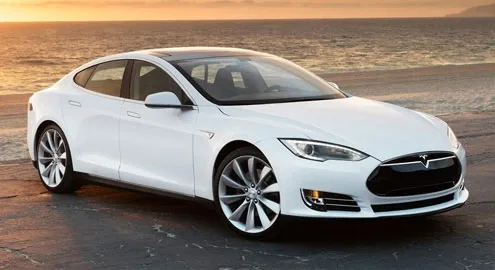
This is the amount awarded by the court in Norway. The story began last year: then a number of owners of Tesla Model S with an 85 kWh battery (this version was discontinued in 2016) noticed that after a software update, their electric cars began to travel less on a single charge (according to Electrek.co, the range dropped from 397 to 349 km, which is quite significant) and took longer to charge. With the software update, the manufacturer wanted to increase the level of battery protection (from overheating) and extend their service life, but a group of owners was not satisfied with this, and they decided to file a lawsuit.
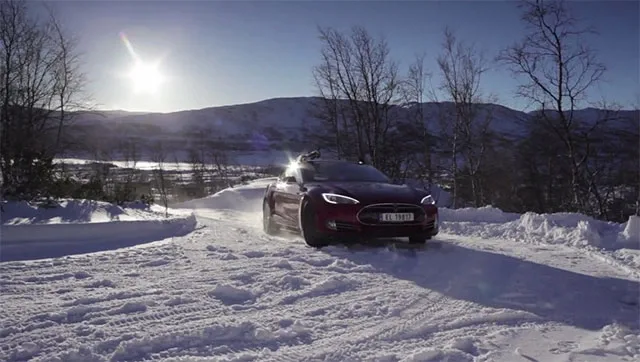
As a result, the court sided with the owners. According to the ruling, it must make payments by May 31 inclusive. However, the company still has time to challenge the decision – it can file an appeal until June 17.
It is assumed that the identified problem affects tens of thousands of Tesla Model S owners equipped with an 85-kilowatt-hour battery, but so far we are talking about compensation for a small group of people who, in fact, decided to defend their rights in court. It is possible that other owners of exactly the same electric liftbacks will follow their example.