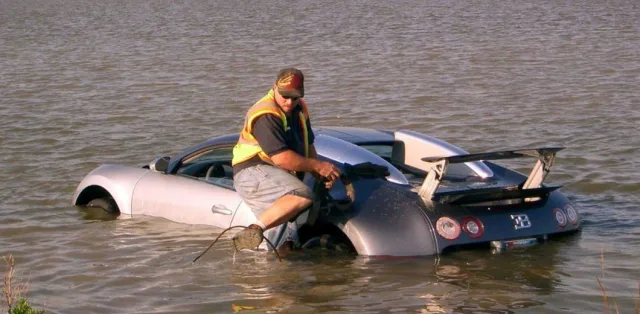
However, the car's status as a drowned vehicle is temporary – of course, before the hypercar is put into operation, it will be restored. True, this process will be very long and expensive.
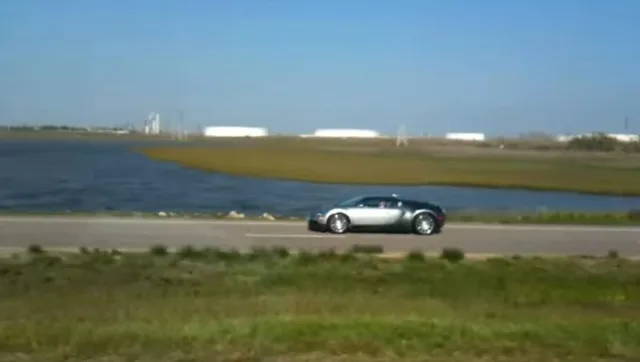
But what is interesting in this story is something else – namely, how could a Bugatti Veyron become a "drowned" car. And this happened for the simple reason that the previous owner of the hypercar, Andy House, wanted to commit insurance fraud and therefore deliberately sank the car in the Gulf of Mexico (he wanted to get $2.2 million for it). This happened back in 2009, and the incident itself was captured on video, which later went viral on the internet (see below).
However, the scam failed: House was exposed and sent to prison. He faced up to 20 years, but he served just over a year. As for the Veyron itself, first the car went to one of the dealers who wanted to take a bank loan of $1 million to buy and repair the car. They managed to purchase the Veyron, but not restore it. The dealer went bankrupt, and the Bugatti again passed into new hands – this time, to the bank.
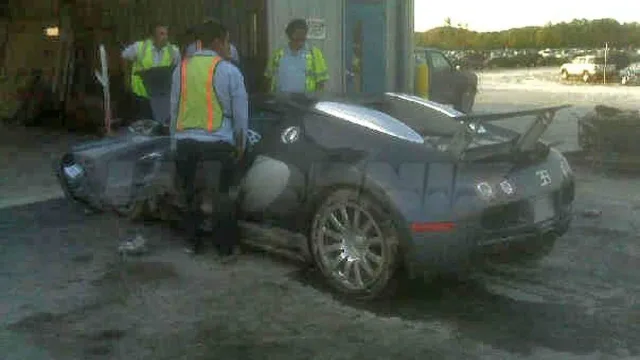
Already in 2019, the Veyron "surfaced" for sale in a semi-disassembled state (recall, they started repairing it, but did not have time to finish). Despite the fact that they asked "only" $300,000 for the car, no one was in a hurry to buy it.
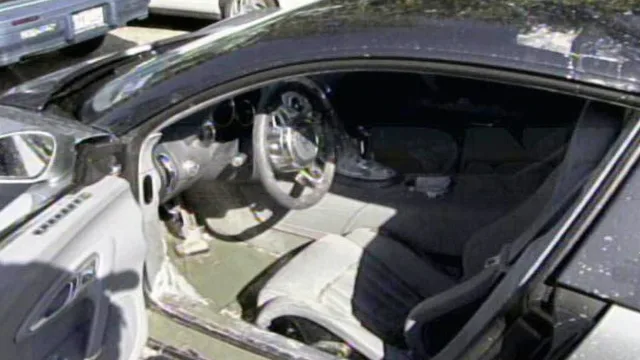
But, be that as it may, in the end, the long-suffering Bugatti found a new owner in the person of the aforementioned company Royalty Exotic Cars. Its specialists admit – this is a risky and frankly difficult undertaking. The car has suffered greatly from the effects of salt water, many parts and components have begun to rust, and they are expensive (for example, installing new Burmester audio costs $100,000), and the manufacturer itself is reluctant to supply spare parts for a "drowned" car.