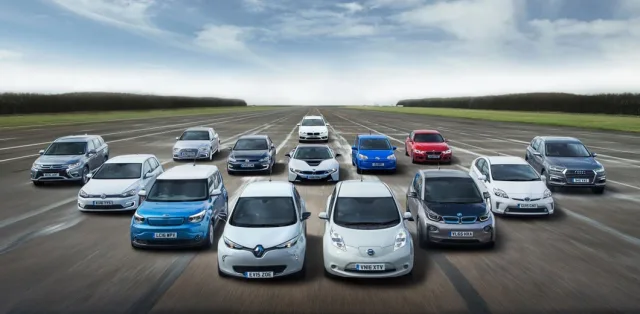
This conclusion was reached in its study by the European Automobile Manufacturers' Association ACEA. Thus, the Association's experts found that the level of sales of electric cars strongly correlates with the standard of living in different countries. So, last year in the EU, electric vehicles, along with hybrids, took 10.5% of the new car market, while in 10 EU member states their share was less than 3%.
The ACEA analysis showed that there is a direct link between consumer demand for electrified cars and gross national product (GDP) per capita. However, there were exceptions. For example, in Portugal in 2020, the market share of electric vehicles and plug-in hybrids reached 13.6%, although this country is one of the states with relatively low average income.
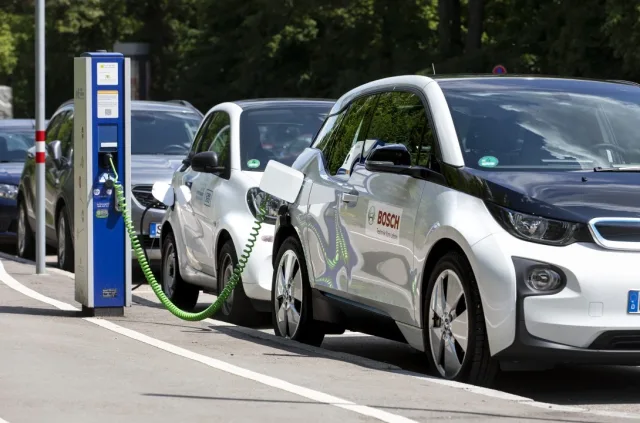
From this, the conclusion suggests itself that no matter how politicians and activists shout about saving the environment, price still decides. In many countries, electric cars are still more expensive than petrol and diesel cars. And this is despite various subsidies and benefits.
Countries with the highest number of electric cars and GDP per capita in 2020:
- Sweden: share of electric cars – 32.2%, GDP per capita – 45,610 euros.
- Netherlands: share of electric cars – 25%, GDP per capita – 45,790 euros.
- Finland: share of electric cars – 18.1%, GDP per capita – 42,940 euros.
Countries with the lowest share of electric vehicles and GDP per capita in 2020:
- Cyprus: share of electric cars – 0.5%, GDP per capita – 23,580 euros.
- Lithuania: share of electric cars – 1.1%, GDP per capita – 17,460 euros.
- Estonia - share of electric cars – 1.8%, GDP per capita – 20,440 euros.
Thus, if the EU authorities want everyone to be able to afford an electric car, they, as well as automakers, have a lot of work to do – to make electric cars more affordable. And at the moment, such cars are mainly toys for the rich.