The most problematic cars
Traditionally, the research by our British colleagues is based on the results of a survey of 13,000 motorists. Respondents were asked about the number of breakdowns per year, repair costs, and the time needed to fix the fault. Consequently, the more "breakable" the car turned out to be and the more expensive the repair of the breakdown(s) was, the lower reliability percentage was assigned to it.
When compiling the rating, WhatCar? relied on data on faults in 15 categories: body, engine, engine "brains", gearbox/clutch, steering, suspension, braking system, fuel system, exhaust, electrics, air conditioning system, battery, interior trim, multimedia/stereo system.
In total, the study included 175 car models from 31 brands.
WhatCar? emphasized that, according to the survey results, on average, car repairs cost 100-500 pounds sterling ($137-685), although 2% of motorists "got hit" for more than 1,500 pounds sterling (almost $2,000). At the same time, the most common fault was breakdowns of electrical systems.
The most unreliable used cars up to 5 years old
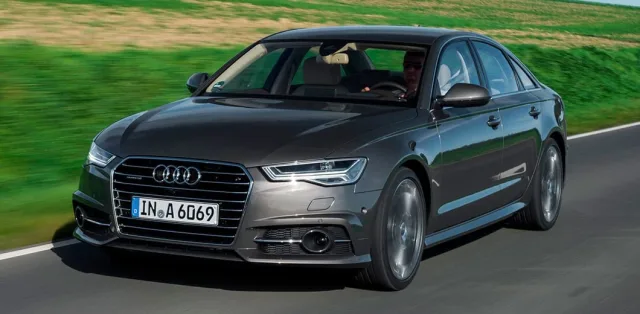
- Audi A6, 2011-2018: 70.6%
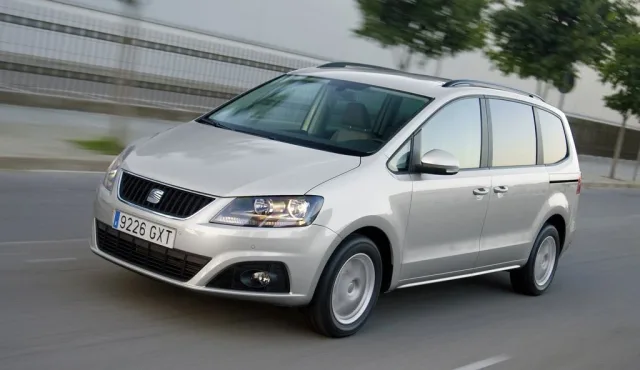
- Seat Alhambra, 2011-2020: 70.8%
- Land Rover Discovery Sport, 2014-2019: 73.1%
- Range Rover Sport, 2013-present: 74.2%
- Land Rover Discovery, 2015-present: 77.9%
- Range Rover Velar, 2017-present: 81.9%
- Porsche 718 Cayman, 2016-present: 82.5%
- Seat Leon (diesel), 2013-2020: 82.7%
- Range Rover Evoque, 2011-2019: 82.8%
- Peugeot 308, 2013-present: 83.3%
- Volkswagen Golf (diesel), 2013-2020: 83.6%
- Porsche Panamera, 2016-present: 84.5%
- Tesla Model S, 2014-present: 85.7%
- Suzuki Ignis, 2016: 85.9%
- Renault Sandero, 2013-2020: 85.9%
- Ford S-Max, 2015-present: 86.5%
- Jaguar XJ, 2010-present: 86.6%
- Nissan Qashqai, 2014-2021: 87%
- Mercedes C-Class, 2014-present: 87.3%
- Opel Insignia Grand Sport, 2017-present: 87.4%
- Nissan X-Trail: 2014-present, 87.6%
- BMW X6, 2014-2019: 88.2%
- Kia Picanto, 2017-present: 88.3%
- Jaguar E-Pace, 2017-present: 88.4%
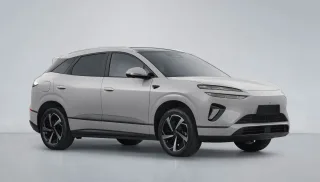
- MG ZS EV, 2019-present: 89.4%.
Recall that earlier in WhatCar? they named:
- fifty most reliable cars up to 8 years old;
- the most durable and the most problematic cars based on technical inspection data;
- the most unkillable and the most breakable electric cars and hybrids.