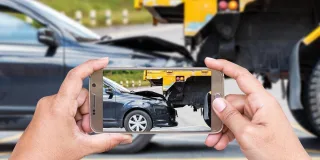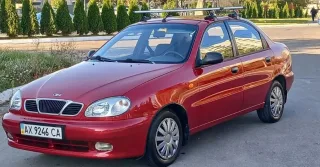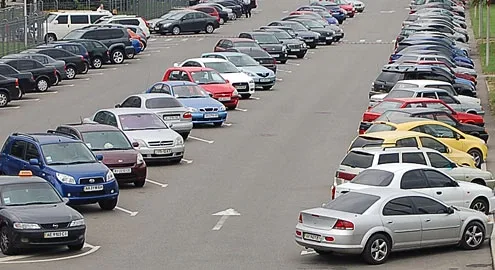
The most common reason for sending a car to an impound lot is stopping in a prohibited place. At the same time, not every driver is able to get their vehicle back. The owner is issued a fine, and also has to compensate for the costs of the tow truck and pay for each day of storage at the special lot. In some cases, the final amount turns out to be so substantial that the car owner simply abandons the car. After some time, such a car goes under the hammer.
There are also situations when customs confiscates the vehicle. If the owner did not pay the fine on time and did not pick up their property, it will be put up for auction through the ProZorro platform.
Confiscated property auctions: what documents are needed, strengths and weaknesses
So, we have figured out where auctions with confiscated cars come from. Now let's try to understand how this process works and whether it is worth fearing pitfalls when buying such property.
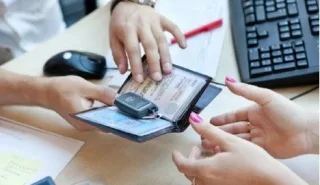
The one who wins the auction will have to prepare the following package of documents:
-
Act of holding the auction,
-
Request for the issuance of the car,
-
Resolution on lifting the seizure,
-
Resolution on deregistration,
-
Power of attorney for deregistration.
The pros and cons here are quite predictable. The main advantage is the chance to buy a car for little money. The main disadvantage is the condition of such cars. According to our experts, only 15% of lots at such auctions are really worth attention. The rest is essentially scrap metal. However, this is logical: it is precisely because of the poor condition that owners most often do not pick up their cars from impound lots.
Buying a confiscated car through a bank
Unfortunately, there are frequent cases when a person takes a loan, and then it turns out that they are unable to repay it. Then the bank has the right to take the apartment, car, or other movable or immovable property against which the money was issued.
Many domestic banks also hold auctions of their property. There you can buy an apartment or a car that has been used, as well as household appliances.
You can buy confiscated cars at such banks:
-
PrivatBank,
-
Oschad Bank,
-
Alfa Bank.
In addition to selling used cars, any bank is ready to issue a loan for the purchase of a car — both new and with mileage. The same Privat, for example, offers to arrange a used car on credit or installment at 12.6% per annum, and a new car from the bank's partners — at only 0.01% per year.
Conclusions
Of course, the benefit from buying confiscated cars at PrivatBank or any other bank is significantly inferior to auctions. After all, the bank, like no one else, knows the real price of any property.
The editorial staff of Autoportal strongly advises to very carefully inspect the car before buying at an auction.