Brussels took such a step because of the duties imposed by America on imported steel and aluminum — 25% and 10% respectively. Washington then stated that these measures were dictated by US national security considerations.
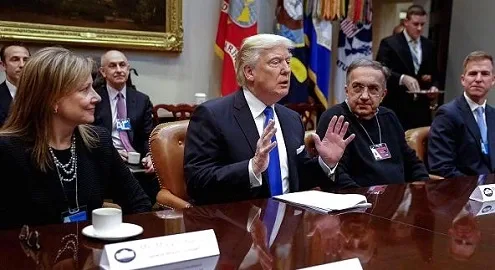
Brussels' response did not please the American leader, who in his Twitter demanded that the European Union remove all trade barriers and duties for US products. If this does not happen, he promised to impose a 20-percent fee on all cars imported into the American market.
Even a month before that, the head of the American Ministry of Commerce Wilbur Ross hinted that protective measures could be taken for the local auto industry, noting that for decades foreign imports had damaged the American automobile industry. "Our ministry will conduct a thorough, open and transparent investigation to find out whether this import has weakened the US economy and whether it threatens national security," the minister said then, adding that if the check confirms the department's concerns, the administration will have the right to impose duties.
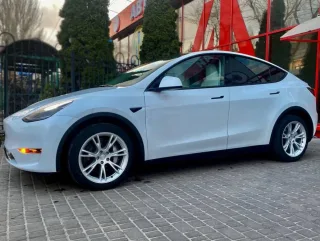
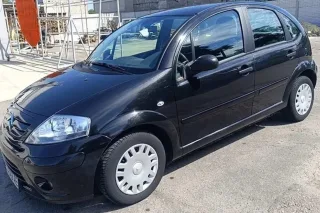
For the European Union, cars are one of the most vulnerable positions in trade relations with the US, because they account for a tenth of all bilateral trade. Therefore, Washington's threat to impose duties on cars and components will result in serious losses in trade volumes for Brussels and will hit almost all EU member states.
If the scenario proposed by Trump is implemented, the European Commission has promised to respond with mirror measures.
Who will benefit from this tariff war is still unclear. But business has already begun to react. For example, the legendary motorcycle manufacturer Harley-Davidson decided to move production of its bikes for Europe outside the US. The reason was that due to the already introduced retaliatory steps of the European Union, each Harley-Davidson motorcycle will become more expensive by about 2.2 thousand dollars, as calculated in the company.