Карданный вал - это важный элемент трансмиссии автомобиля, без которого невозможно представить работу заднеприводных, полноприводных и некоторых грузовых машин. Многие водители слышали этот термин, но не всегда точно понимают, что это и для чего он нужен. Давайте разберёмся подробнее, что такое карданный вал в автомобиле, как он устроен и какие функции выполняет.
Что это и зачем нужен карданный вал
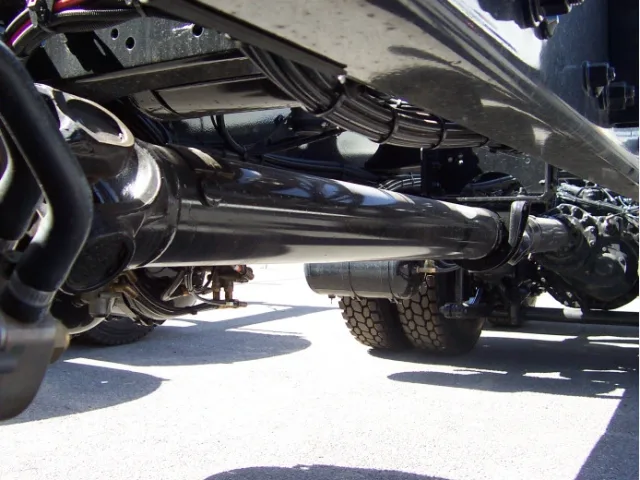
Простыми словами, карданный вал - это длинный металлический вал, который передаёт крутящий момент от коробки передач к ведущему мосту. Он служит связующим звеном между элементами трансмиссии, которые расположены на разном расстоянии и находятся под разными углами. Особенность конструкции автомобиля заключается в том, что двигатель и коробка передач обычно находятся спереди, а ведущие колёса - сзади или на обоих осях. Именно карданный вал обеспечивает передачу энергии от мотора к колесам, позволяя машине двигаться. Таким образом, когда мы говорим, что такое карданный вал, ответ будет прост: это деталь трансмиссии, которая передаёт вращение от двигателя к мосту автомобиля, компенсируя смещение и углы работы подвески.
Устройство карданного вала
Карданный вал в автомобиле состоит из нескольких основных элементов:
Труба или вал - основная часть, передающая вращение.
Карданные шарниры (крестовины) - позволяют валу работать под углом и сохранять передачу момента.
Шлицевое соединение - компенсирует изменение длины вала при работе подвески.
Подвесные подшипники - фиксируют карданный вал в кузове и снижают вибрации.
Такая конструкция позволяет автомобилю двигаться плавно, даже если кузов и подвеска работают в разных плоскостях.
Где используется карданный вал
Карданный вал в автомобиле применяется не только в легковых моделях. Он широко используется в:
заднеприводных автомобилях;
внедорожниках и кроссоверах с полным приводом;
грузовиках и автобусах;
спецтехнике.
В переднеприводных автомобилях карданный вал в классическом понимании отсутствует, так как двигатель и ведущие колёса находятся на одной оси.
Признаки неисправности карданного вала
Понимая, что такое карданный вал в автомобиле и как он работает, важно знать и признаки его поломки:
появление сильных вибраций при движении;
стуки или скрипы снизу машины;
утечка смазки из крестовин;
износ подшипников и люфты.
Если игнорировать такие признаки, последствия могут быть серьёзными - от неприятного шума до полной потери управления.
Обслуживание и ремонт карданного вала
Карданный вал - это достаточно надёжная деталь, но и она требует ухода. Основные рекомендации:
регулярно проверять состояние крестовин;
смазывать шлицевые соединения;
следить за целостностью подвесных подшипников;
при сильном износе менять деталь целиком.
Своевременное обслуживание продлевает срок службы вала и всей трансмиссии.
Итоги
Теперь мы разобрались, что такое карданный вал в автомобиле и зачем он нужен. Это ключевой элемент трансмиссии, который передаёт крутящий момент от коробки передач к ведущему мосту. Его правильная работа обеспечивает плавность движения и надёжность автомобиля. Карданный вал - это пример того, что даже простая на вид деталь играет огромную роль в эксплуатации транспортного средства. Зная, что это и как работает, водитель сможет вовремя заметить неисправность и избежать дорогого ремонта.
Advertising
Comments
No comments yet. Say the first word.
Write a comment
No sign-up needed - just your name.
Write