Основные признаки, что антифриз уходит в двигатель
Есть несколько характерных симптомов, по которым можно понять, что охлаждающая жидкость попадает в цилиндры или картер. 1. Белый дым из выхлопной трубыКогда антифриз сгорает в камере сгорания, в выхлопе появляется густой белый пар, особенно заметный на холодном двигателе. Если дым не исчезает после прогрева, это серьёзный сигнал. 2. Масляная эмульсия под крышкой заливной горловины
Если открыть крышку маслозаливной горловины и увидеть светлую кремообразную массу, это значит, что антифриз смешался с маслом. Такой признак часто указывает на повреждение прокладки ГБЦ. 3. Пузырьки в расширительном бачке
При работающем двигателе в бачке могут появляться пузырьки воздуха или выдавливаться антифриз наружу. Это говорит о том, что газы из цилиндров проникают в систему охлаждения. 4. Резкое падение уровня антифриза без следов утечки
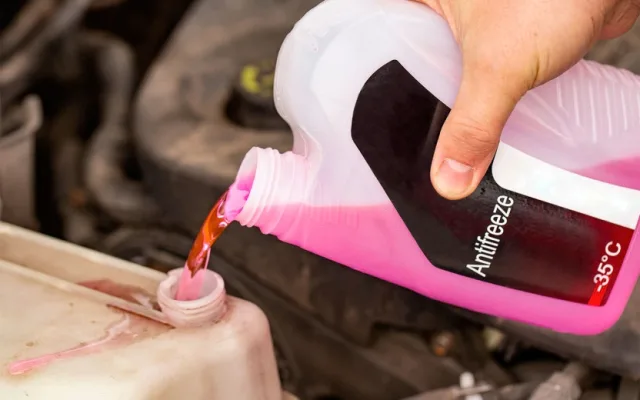
Если в авто приходится часто доливать охлаждающую жидкость, но под машиной нет луж, велика вероятность, что антифриз уходит в двигатель. 5. Перегрев мотора
Постоянное снижение уровня охлаждающей жидкости ухудшает теплоотвод, и двигатель начинает перегреваться даже при спокойной езде.
Почему антифриз попадает в двигатель
Чаще всего проблема связана с повреждением прокладки головки блока цилиндров. Также причиной могут быть трещины в ГБЦ, блоке цилиндров или износ уплотнительных колец. В редких случаях виновата коррозия радиатора охлаждения масла, через которую антифриз попадает в смазочную систему.Как проверить точно
Чтобы убедиться, что антифриз уходит в двигатель, можно выполнить несколько проверок:- Провести тест на наличие CO? в системе охлаждения с помощью специального реагента;
- Измерить компрессию в цилиндрах - низкие показатели в одном или нескольких цилиндрах укажут на повреждение прокладки;
- Сдать масло на анализ - наличие в нём гликоля подтвердит попадание антифриза.
Чем опасна такая утечка
Если вовремя не устранить проблему, смешивание масла и антифриза приведёт к потере смазочных свойств, износу подшипников коленвала, перегреву и заклиниванию двигателя. Ремонт в таком случае будет сложным и дорогостоящим.Вывод: зная признаки, что антифриз уходит в двигатель, можно вовремя выявить неисправность и предотвратить серьёзные поломки. При первых подозрениях на внутреннюю утечку лучше не откладывать диагностику - ремонт на ранней стадии обойдётся значительно дешевле и сохранит ресурс мотора.