Автомобиль состоит из множества узлов, которые обеспечивают комфорт и безопасность движения. Одним из них является рессора. Многие автолюбители слышали это слово, но не всегда понимают, рессора это что такое и зачем она нужна. В этой статье разберёмся подробно, что такое рессора автомобиля, как она выглядит и какую роль играет в подвеске.
Рессора - что это и для чего используется
Простыми словами, рессора - это упругий элемент подвески, который смягчает удары от неровностей дороги и поддерживает кузов автомобиля. Она распределяет нагрузку между колёсами и рамой, обеспечивая плавность хода. Если объяснять, рессора это что такое в автомобиле, то её можно представить как набор изогнутых металлических пластин (листов), соединённых между собой. Эти пластины работают как пружина - при нагрузке они прогибаются, а затем возвращаются в исходное положение. Таким образом, отвечая на вопрос «рессора что это», можно сказать: это важная часть подвески, которая берёт на себя основную часть нагрузки при движении.
Как выглядит рессора автомобиля
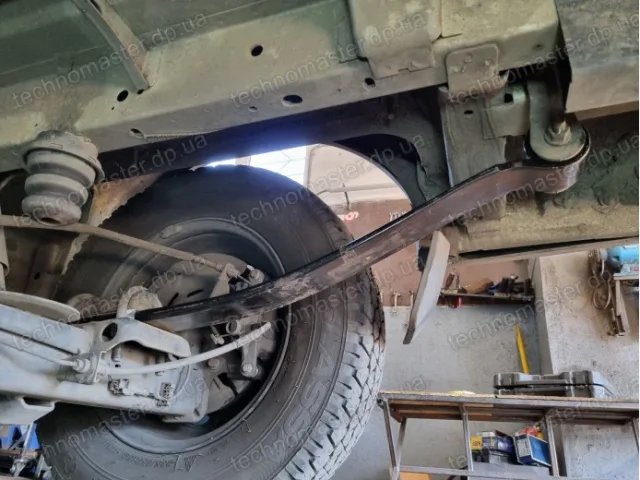
В классическом исполнении рессора автомобиля - это несколько стальных листов, уложенных один на другой по форме дуги. Они стягиваются в центре специальным хомутом, а концы крепятся к раме или кузову через кронштейны и серьги. Существует несколько разновидностей рессор:
Листовые рессоры - наиболее распространённые, состоят из набора металлических полос.
Параболические - имеют меньше листов, но каждый из них особой формы, что снижает вес и улучшает работу подвески.
Комбинированные - совмещают рессору и дополнительные элементы, например пружины или пневмобаллоны.
Визуально рессора автомобиля напоминает изогнутую дугу из металла, закреплённую под днищем машины.
Где применяются рессоры
Рессора - это элемент, который чаще всего встречается в подвеске грузовых автомобилей, автобусов, внедорожников, прицепов и спецтехники. В легковых автомобилях рессоры постепенно вытесняются пружинами и амортизаторами, но всё ещё используются в некоторых моделях благодаря своей надёжности и долговечности.
Преимущества рессор
Понимая, что такое рессора автомобиля, стоит выделить её плюсы:
высокая грузоподъёмность;
простота конструкции;
долговечность при правильной эксплуатации;
способность выдерживать большие нагрузки без потери упругости.
Эти качества делают рессоры особенно востребованными в коммерческом транспорте.
Недостатки рессор
Несмотря на надёжность, рессоры имеют и минусы:
менее комфортная езда по сравнению с пружинами;
больший вес конструкции;
постепенный износ и необходимость замены листов.
Поэтому в современных легковых автомобилях чаще используются пружинные подвески, которые обеспечивают больше комфорта.
Признаки неисправности рессоры
Рессора - это элемент, который должен находиться в исправном состоянии. Проблемы могут проявляться так:
машина кренится на одну сторону;
появляются стуки снизу при езде по неровностям;
снижается плавность хода;
видны трещины или поломки листов.
При таких признаках важно своевременно провести диагностику и ремонт.
Итоги
Теперь понятно, рессора это что такое и какую роль она играет. Это упругий элемент подвески автомобиля, выполненный в виде набора стальных листов, изогнутых в дугу. Она предназначена для смягчения ударов, распределения нагрузки и обеспечения устойчивости транспортного средства. Зная, что такое рессора автомобиля и как она выглядит, водитель сможет лучше понимать устройство своей машины и вовремя замечать неисправности. Рессора - это простая, но крайне важная деталь, которая отвечает за комфорт и безопасность на дороге.
Advertising
Comments
No comments yet. Say the first word.
Write a comment
No sign-up needed - just your name.
Write