Что такое резонатор в автомобиле простыми словами?
Anna Tkach
AutoPortal editorial team
735 views
2 min read
Многие автолюбители задаются вопросом - что такое резонатор в машине, для чего он нужен, и как его наличие влияет на работу автомобиля. Особенно часто эта тема возникает при тюнинге выхлопной системы или при замене элементов воздушного фильтра. Давайте разберемся простыми словами, что такое резонатор в автомобиле и какие бывают его типы.
Что такое резонатор в автомобиле
Резонатор в машине - это элемент, используемый либо в выхлопной системе, либо в системе впуска воздуха. В зависимости от типа, он выполняет разные функции:
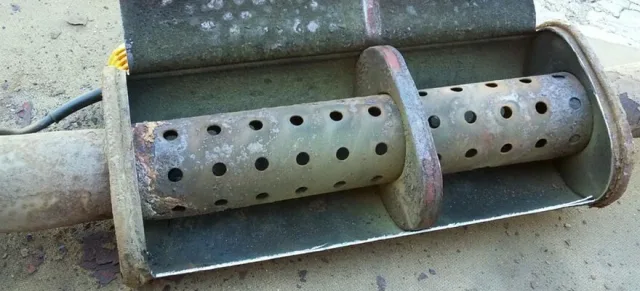
Выхлопной резонатор - часть глушителя, снижает шум от работы двигателя и устраняет звуковые колебания.
Резонатор воздушного фильтра - помогает сглаживать потоки воздуха, снижает шум впуска и улучшает наполнение цилиндров.
Резонатор в выхлопной системе: что это
Резонатор в выхлопной системе - это металлический баллон, установленный между катализатором и основным глушителем. Он не глушит выхлоп полностью, как основной глушитель, а поглощает определённые частоты, делая звук мотора тише и приятнее. Простыми словами, это как "настройщик звука", который фильтрует резкие звуковые колебания. Кроме того, он частично снижает давление в выхлопной системе, что положительно влияет на работу двигателя.
Что такое резонатор воздушного фильтра
Резонатор воздушного фильтра - это пластиковая или металлическая камера, подключённая к воздухозаборнику. Его основная задача - снизить шум при заборе воздуха в двигатель, особенно на высоких оборотах. Также он помогает устранить турбулентность воздушного потока, что улучшает эффективность работы двигателя, особенно на малых и средних оборотах. Если убрать резонатор, то звук станет более агрессивным, но мотор может потерять немного тяги.
Где находится резонатор в машине
Выхлопной резонатор обычно располагается под днищем авто, между катализатором и глушителем.
Резонатор воздушного фильтра чаще всего находится в моторном отсеке, рядом с воздушным фильтром или воздухозаборником.
Признаки неисправности резонатора
Если выхлопной резонатор поврежден, можно заметить:
увеличение громкости звука выхлопа;
металлический дребезг или стук под днищем;
провалы в тяге;
повышенный расход топлива.
При неисправности резонатора воздушного фильтра чаще проявляются:
свистящий или гудящий звук при разгоне;
падение мощности двигателя;
рывки при движении.
Можно ли убрать резонатор?
Да, многие автовладельцы убирают резонатор в погоне за более громким звуком. Однако это не всегда оправдано - двигатель может работать хуже, особенно в городском режиме. Также это может повлиять на экологические характеристики машины.
Резюме: что такое резонатор в машине
Если говорить простыми словами, резонатор - это устройство, которое делает машину тише и помогает двигателю работать ровнее. Он может находиться как в выхлопной системе, так и в системе впуска воздуха. Несмотря на внешнюю простоту, его роль довольно важна для комфортной и стабильной работы автомобиля. Теперь вы знаете, что такое резонатор в автомобиле, где он находится, и зачем он нужен. Удалять его или нет - решать вам, но в большинстве случаев его наличие положительно влияет на характеристики и комфорт при вождении.
Advertising
Comments
No comments yet. Say the first word.
Write a comment
No sign-up needed - just your name.
Write