Что такое трамблёр в автомобиле
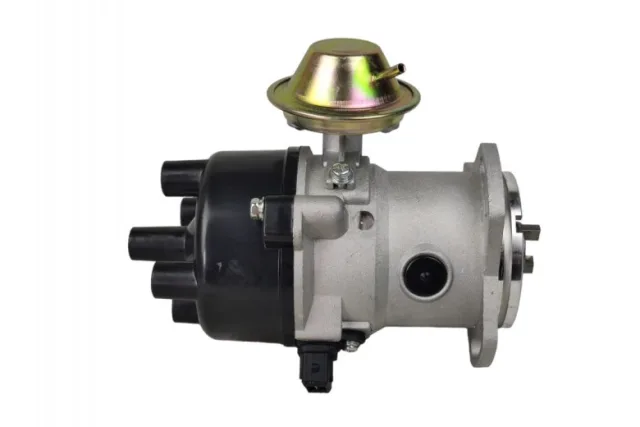
Трамблёр (или распределитель зажигания) - это устройство, которое используется в системе зажигания бензиновых двигателей. Его основная задача - распределять высоковольтный импульс по цилиндрам двигателя, обеспечивая воспламенение топливовоздушной смеси в нужный момент. Проще говоря, трамблёр отвечает за то, когда и в каком цилиндре загорится искра, без которой двигатель просто не заведется.Где установлен трамблёр в машине
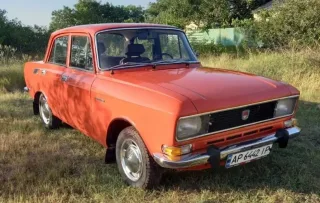
В классических автомобилях трамблёр установлен на двигателе и обычно приводится в движение от распределительного вала. В современных авто это устройство заменено на электронные системы, но в старых моделях ВАЗ, Москвич, Волга и других - трамблёр до сих пор встречается и выполняет ту же функцию.Как работает трамблёр
Работа трамблёра состоит из нескольких этапов:- Контакт прерывателя открывается, создавая разрыв тока в первичной цепи катушки зажигания.
- В результате этого в катушке создается высоковольтный импульс.
- Этот импульс поступает на центральный контакт крышки трамблёра.
- Внутри трамблёра вращается бегунок, который направляет ток на нужный цилиндр, передавая искру к свече.
Основные элементы трамблёра:
- Крышка трамблёра - защищает внутренние части и содержит контакты.
- Бегунок - вращающийся элемент, направляющий ток на свечи.
- Прерыватель - механический контакт, разрывающий ток.
- Конденсатор - гасит искру при разрыве контакта.
- Центральный и боковые контакты - соединяются с катушкой и свечами зажигания.
Признаки неисправного трамблёра
Если трамблёр выходит из строя, это сразу отражается на работе двигателя. Вот основные симптомы:- трудный или невозможный запуск;
- двигатель троит или нестабильно работает;
- пропуски зажигания;
- резкое падение мощности;
- повышенный расход топлива;
- хлопки в глушитель или карбюратор.
Трамблёр в авто: преимущества и недостатки
Преимущества:- простота конструкции;
- легко диагностировать и отремонтировать;
- дёшево заменить.
- чувствителен к влаге и загрязнению;
- механический износ контактов;
- требует периодической настройки зажигания.
Трамблёр vs современные системы
Сегодня в большинстве автомобилей трамблёр заменён на электронные системы управления зажиганием, которые работают точнее и надёжнее. Однако в старых авто трамблёр до сих пор востребован, особенно среди любителей классических машин.Теперь вы знаете, что такое трамблёр в автомобиле, как он устроен и какие функции выполняет. Это важный элемент системы зажигания, от которого напрямую зависит запуск двигателя и его стабильная работа. Если вы владеете автомобилем с трамблёром, не забывайте регулярно проверять его состояние и производить настройку, чтобы избежать проблем на дороге.