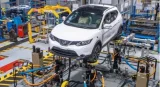
Корреспондент АвтоПортала побывал в европейском техцентре Nissan в Барселоне, где ему доверили протестировать 600-сильный Juke-R 2.0 и показали, как создаются автомобили этой марки. Помимо прочего, журналисту удалось лично оценить работу «умной» электроники.
Как проходил тест
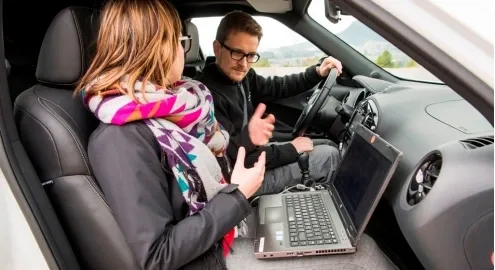
Смысл испытаний сводился к тому, чтобы гости полигона смогли сравнить поведение машины с разными калибровками управляющих систем. Инженеры, разумеется, не спешили раскрывать детали, отвечая, что рядовым водителям эти тонкости ни к чему. В общем-то, они правы. Отмечу лишь, что для каждого упражнения подготовили отдельный автомобиль, а рядом находился инструктор с ноутбуком.
Всего за пару минут он менял прошивку, тем самым изменяя характер работы различных систем машины.
Реакция руля
Первым заданием была переставка на скорости 65 км/ч. Сначала — с «доработанными» настройками рулевого управления, затем — с заводскими. Почему порядок такой? Я сразу задал этот вопрос. Инструктор пояснил: если сначала пройти «лосиный тест» со стандартным рулем, разницу можно и не уловить. Я с сомнением посмотрел на него и согласился. Он лишь улыбнулся и сказал: поезжай, потом поймешь.
Итак, разгоняюсь, 65 км/ч, резкий маневр.
Я: Ну и?
Инструктор (открывая ноутбук): сейчас верну заводские параметры, и повторишь.
Что ж, сделал. Но, признаться, особой разницы я не почувствовал, о чем и сказал специалисту. Тогда он разрешил попробовать еще раз, но уже на скорости около 80 км/ч.
И вот тут я наконец ощутил, что «улучшенная» калибровка позволяет выполнять резкие маневры с меньшим риском задеть фишки, а вот со стандартной — сложнее быстро выровнять машину, да и руль реагирует не так остро. Это если говорить по-простому, с точки зрения обычного водителя. Инструктор же достал графики и принялся объяснять, как изменились усилия на руле и его чувствительность благодаря одному лишь перепрограммированию, без изменения железа.
Второе упражнение — прохождение дуги, обозначенной конусами. На этом участке желтый Juke имел максимально «заряженные» настройки руля, и инструктор подсказывал, куда и как крутить баранку, чтобы в полной мере прочувствовать отзывчивость и спортивный характер.
К слову, скорость была 80 км/ч. Учитывая узость проезда и крутизну виража, я больше переживал, как бы не опозориться после 70-летней немки, которая до меня очень уверенно прошла этот участок, не задев ни одного конуса. К моему счастью и облегчению украинских коллег, я тоже справился «идеально», как отметил тест-пилот.
Как владелец Nissan Juke, могу с уверенностью сказать, что я бы одним из первых заплатил за подобную «перепрошивку». Но тут важно уточнить: что хорошо на треке, не всегда хорошо на обычной дороге, и наоборот. Представьте, что на трассе на скорости 140 км/ч в экстренной ситуации вы резко дергаете руль, который мгновенно реагирует на любое движение. Чем это закончится? Думаю, кювет. Именно поэтому инженеры и тест-пилоты так осторожно подходят к настройке «мозгов» автомобиля. И поэтому существуют «настройки для среднестатистического водителя».
Старт в гору
Сейчас многие современные авто, включая Ниссаны, оснащаются системой помощи при старте на подъеме — электроника на несколько секунд удерживает тормоза, не давая машине откатиться назад. Но в Барселоне продемонстрировали и другую полезную опцию. А именно — что-то вроде помощника для новичков.
Эта необычная программа призвана облегчить трогание на машине с «механикой». Электроника следит за тем, как сильно вы давите на педаль газа (и не только), и сглаживает неправильные или резкие действия водителя. Инструктор специально провоцировал резко бросать сцепление и не добавлять газ, но машина удивительным образом трогалась без рывков.
Если же совсем обнаглеть и, не прибавив газу, бросить сцепление — мотор может заглохнуть. Как пояснил разработчик, именно поэтому такие программы называют «вспомогательными», а не основными. Но сама идея и ее реализация очень удачны. К тому же, по словам представителей Nissan, это помогает продлить ресурс двигателя, КПП и сцепления.
Последнее упражнение — езда со спортивным режимом двигателя. Тут все очевидно: со стандартными настройками мотор ведет себя ленивее, а со спортивными — заметно бодрее, да и полка оборотов другая. Подобное Nissan предлагал еще с момента выхода Juke. И его владельцы подтвердят, что характер агрегата сильно меняется в зависимости от выбранного режима.
Итоги
Практически все автопроизводители, и Nissan в том числе, активно занимаются автоматизацией и «электрификацией» машин. Уже скоро беспилотники станут привычным делом. Чего уж там — автоконцерны уже договорились, что через несколько лет все автомобили будут по умолчанию оснащаться автоматической системой экстренного торможения. А еще, я уверен, совсем скоро мы сможем настраивать свои машины под себя — почти как темы на смартфоне…