Каждый автомобилист, несомненно, осведомлен о том, что в зимний период времени необходимо устанавливать на автомобиль зимние шины, а с приходом тепла переходить на летние. Такой подход гарантирует надлежащее сцепление колес с дорожным покрытием и уверенное управление транспортным средством.
Однако далеко не все водители спешат сменить покрышки при смене сезона, продолжая эксплуатировать авто на неподходящей резине. Более того, существует распространенное заблуждение, что в летний период допустимо использовать зимние шины, созданные для «мягких европейских зим». К каким последствиям это может привести и почему так происходит, описано далее.
Чем отличаются покрышки
Отличия между летними и зимними шинами довольно существенны, что связано с разными условиями их применения. Их основная цель — гарантировать безопасность движения в любую погоду.
Это и определяет разницу как в материалах, так и в конструкции покрышек для разных времен года.
Стоит упомянуть и всесезонные шины — они могут использоваться и зимой, и летом. Но, как и любой универсальный инструмент, они уступают по характеристикам сезонным аналогам: летом проигрывают летним, а зимой — зимним.
Резиновая смесь и ее состав
Зимние шины
Зимние покрышки должны оставаться эластичными и сохранять сцепные качества при минусовых температурах. Поэтому их производят из резиновой смеси с увеличенной долей каучука и значительным содержанием кремнийсодержащих полимеров. Также все дополнительные компоненты (наполнители, вулканизаторы, смягчители, антиоксиданты, пигменты и прочее) подобраны с расчетом на холодное время года.
В итоге такие шины остаются «мягкими» и не дубеют на морозе.
Свои лучшие качества зимняя резина начинает проявлять уже при температуре от +5 до +7°С, а полностью раскрывается при отрицательных показателях.
Летние шины
Состав летних покрышек, наоборот, рассчитан на теплую погоду — выше +5-7°С (в жару асфальт может раскаляться до +50-60°С). Здесь меньше каучука и кремнийсодержащих полимеров. Остальные добавки подобраны так, чтобы обеспечить наилучшее сцепление с дорогой при температуре выше +5-7°С.
Когда столбик термометра опускается ниже этой отметки, резина протектора твердеет, и ее характеристики ухудшаются.
Особенности рисунка протектора
Помимо состава смеси, зимние и летние шины отличаются и рисунком протектора — это второе ключевое различие.
Зимние шины
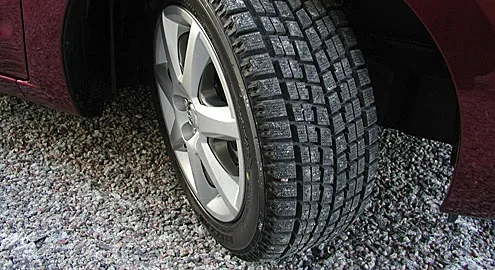
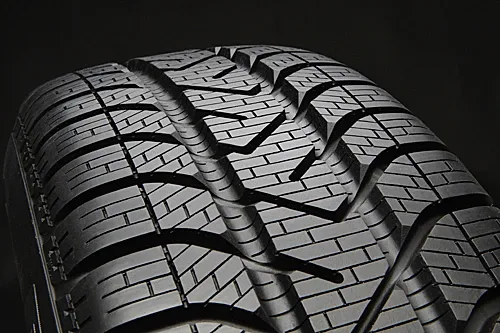
Протектор зимней покрышки оснащен специальным узором, адаптированным под холодное время года. Он более глубокий и разреженный, с крупными блоками, разделенными множеством дополнительных канавок.
Обилие канавок и ребер улучшает управляемость на заснеженной и обледенелой дороге, а сцепление увеличивается благодаря большей площади контакта с поверхностью.
Канавки на зимней резине значительно шире, чем на летней, — в противном случае они быстро забиваются, и шина теряет свои свойства уже на первых метрах пути. Зимняя покрышка должна эффективно отводить снег и грязь из зоны контакта, тогда как летней достаточно лишь справляться с водой.
Летние шины
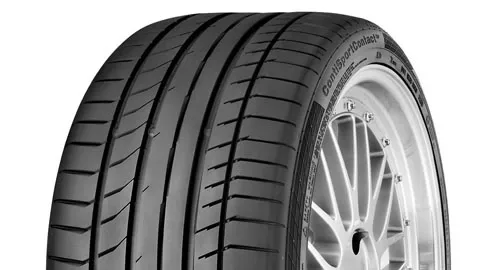
Протектор летней шины создан для обеспечения сцепления с твердой шероховатой поверхностью. Его рисунок имеет выраженную продольную направленность.
Канавки здесь гораздо уже, чем у зимних — их задача сводится лишь к отводу воды. Учитывая высокую абразивность летнего асфальта, летние шины должны быть устойчивы к износу, обладать низким сопротивлением качению, и им не нужно цепляться за каждую неровность на нескользком покрытии.
Что случится при неправильной эксплуатации
Итак, очевидно, что каждый вид шин рассчитан на свои условия эксплуатации.
Поэтому при температуре ниже +5-7°С летняя шина теряет эластичность. Это повышает риск заноса даже на сухом асфальте, а при проколе колесо может порваться.
Рисунок протектора летней покрышки не приспособлен для движения по снегу и льду: он не может отводить снежную кашу из пятна контакта.
В результате автомобиль становится практически неуправляемым: плохо держит траекторию, вяло реагирует на вращение руля, а тормозной путь заметно удлиняется.
Аналогичная ситуация возникает и при использовании зимних шин летом.
Ниже +5-7°С летняя шина твердеет, а выше +5-7°С зимняя становится излишне мягкой
При температуре выше +5-7°С зимняя шина размягчается, что приводит к быстрому истиранию об асфальт.
Рисунок протектора зимней резины не предназначен для твердых покрытий: страдает управляемость (крупные ламели «подламываются»), на поворотах машину «водит», она плохо слушается руля, тормозной путь увеличивается.
Дополнительно вырастает расход топлива из-за повышенного сопротивления качению.
Не стоит искать компромиссы и полагать, что «европейская зимняя резина в наших условиях почти как всесезонная». Для многих моделей шин это не так, а единичный положительный опыт подобной эксплуатации не может служить основанием для рекомендаций. И платить в итоге придется гораздо больше, чем стоят сами покрышки.
Когда пора менять резину
Оптимальное время для смены покрышек — когда температура воздуха пересекает отметку +7°С. Это правило действует и для весенней, и для осенней замены.
Поскольку погода часто бывает нестабильной, точно уловить этот момент сложно. Поэтому существует еще одна рекомендация: зимние шины стоит устанавливать примерно к 15 октября, а летние — ближе к 15 апреля.
Напомним, что о маркировке и типоразмерах шин мы рассказывали ранее — в материале «Все, что Вы хотели знать о шинах. Маркировка, типы, сезонность».
Резюме
- Летняя резина зимой теряет сцепление настолько, что даже короткая поездка по сухому асфальту может быть опасной.
- Зимняя резина летом быстро изнашивается (достаточно 1-2 месяцев), и управляемость автомобиля существенно ухудшается.
- Ездить летом на зимних шинах, в принципе, можно. Но это дорого, и передвигаться придется медленно и предельно аккуратно.
- Зимние «европейские» шины не стоит использовать в качестве всесезонных.