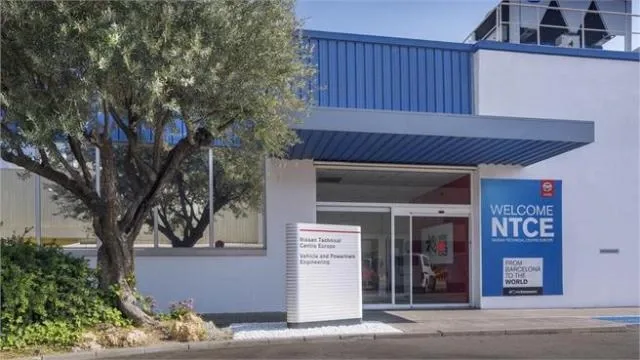
Начну с того, что NTCE в Барселоне – один из четырех европейских центров Ниссан, который считается самым крупным и наиболее важным для Европы. Именно здесь занимаются разработкой и подготовкой автомобилей к производству – от создания дизайна до улучшения уже выпускаемых моделей. А еще именно в Барселоне адаптирует машины (легкие коммерческие, кроссоверы и легковушки) для Восточной Европы, включая Россию, Украину. Как их подготавливают для наших суровых реалий – расскажу подробно.
Моторный цех
В «ниссановском» центре есть отдельный цех, где инженеры и доводчики занимаются сугубо двигателями (в данном случае – объемом не более 3.0 л). Лично для меня одним из самых интересных и сложных видов исследований показался подбор оптимальных характеристик агрегатов. Не знаю, сколько нужно иметь терпения и какую концентрацию внимания, но в среднем для выбора лучших параметров одной модификации мотора исследуется 350 тысяч вариантов калибровки! Подразумеваются наиболее подходящие характеристики по экономичности, динамичности и экологичности. Надо ли объяснять любителям чип-тюнинга, почему в «кустарных» условиях он вряд ли будет эффективным?
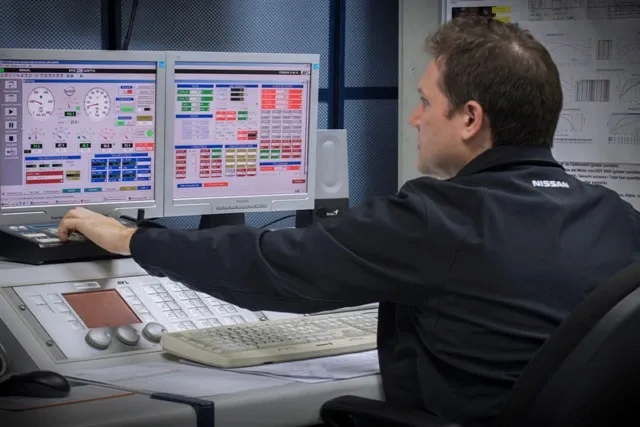
Помимо калибровки, в моторном цехе испытывают двигатели на предмет «всеядности». Для этого используется топливо, разное по качеству и происхождению. Да-да, перед тем, как одобрить тот или иной двигатель для Украины, например, в исследовательском центре тщательно изучают возможные последствия его эксплуатации в конкретно взятых условиях.
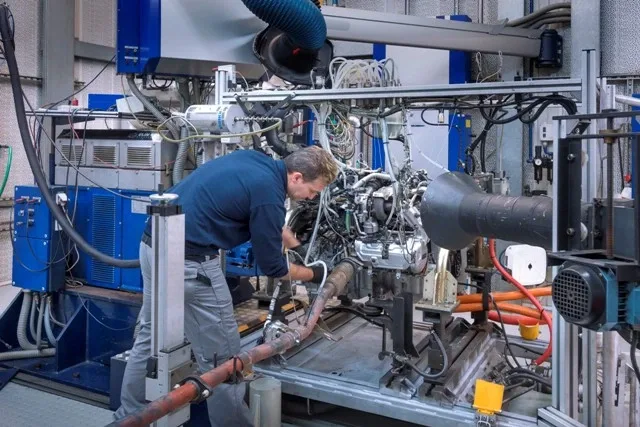
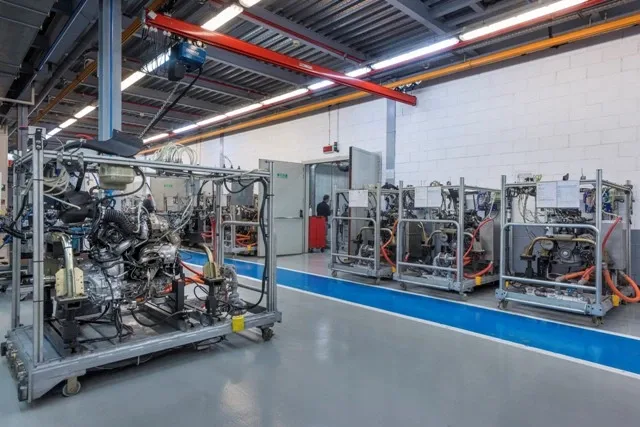
Собственно, поэтому в данном центре можно увидеть десятки разобранных по винтикам моторов. Их разбирают, вносят изменения, потом снова собирают, тестирует и заново разбирают и проверяют. И так происходит ежедневно, а некоторые стенды работают по 24 часа в сутки.
Кстати, такая выборка объясняет ситуацию, когда в Европе, например, доступен дизельный Juke, а в Украине – нет. Разработчики и производитель, в частности, не хотят испортить репутацию марки и «погореть» на гарантийных случаях, когда потребители будут страдать от поломок. А надо признать, что качество украинского топлива далеко от европейского, поэтому для себя я сделал простой вывод – если какая-то марка не пускает к нам на рынок тот или иной тип двигателя, значит, не стоит испытывать судьбу, покупая машину у "серых" дилеров или ввозя в Украину европейские модификации.
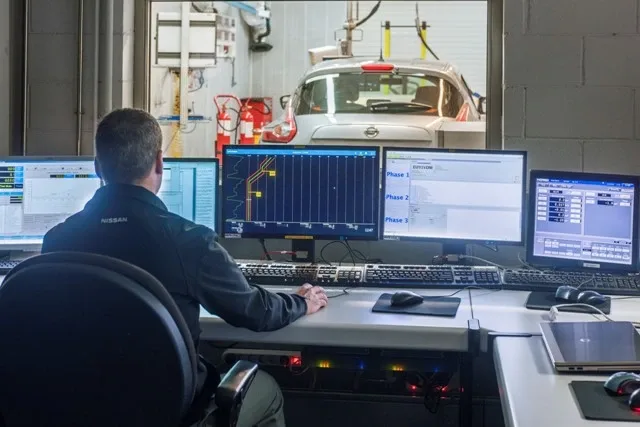
Помимо чисто эксплуатационных характеристик, в европейском техническом центре Nissan настраивают моторы по звучанию. В повседневной жизни мы практически не обращаем внимания, как работает двигатель, и как меняется звук его работы с наращиванием оборотов. Однако, так происходит лишь в тех случаях, если мотор правильно настроен – потому и не раздражает. Бывает и наоборот – у заряженных авто, когда специалистам приходится подчеркивать те или иные «черты» двигателя, чтобы доставлять удовольствие владельцу. Это тоже немалый объем работ, который проводится в специальной акустической камере. Там же моторы тестируют на вибрации.
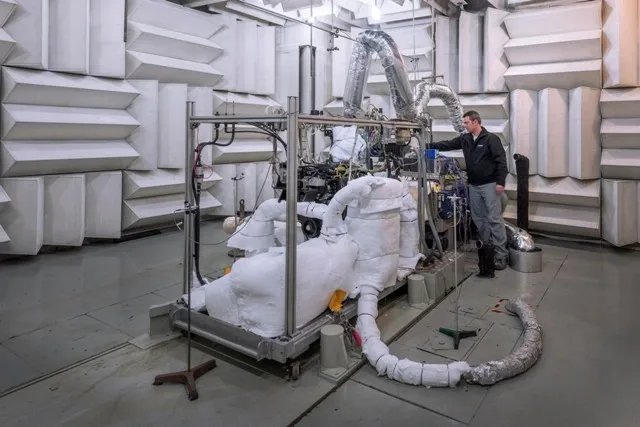
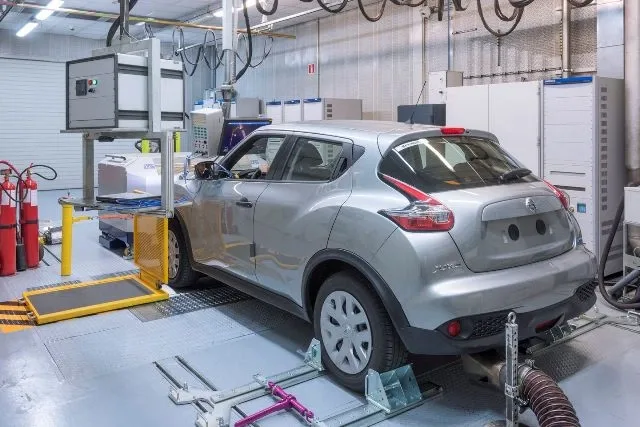
Кстати, мне удалось на личном опыте почувствовать, как передаются вибрации на органы управления и кузов в целом. В зависимости от частоты колебаний, кардинально меняются ощущения изнутри. Так, например, при определенных частотах снаружи машина почти не вибрирует, а с водительского места кажется, что автомобиль вошел в резонанс и вот-вот перевернется. Такие опыты на вибростенде нужны для проверки, выстраивания и гашения амплитуд колебания, вызванных дорожными условиями и не только.
Настройка коробки передач
Каждый из нас неоднократно убеждался, что механика механике рознь. Я имею ввиду четкость и приятность переключения передач. Да, сегодня многие предпочитают автоматические КПП, но всё же по-прежнему хватает и любителей ручной коробки передач. К слову, в Европе таких больше половины, а вот в Японии – наоборот.
В ниссановском центре для доводки механической трансмиссии используются роботы и отдельные стенды, на которых человек и электроника изучают и настраивают алгоритм переключения коробки.
Роботы в основном нужны для выстраивания передаточных чисел и "наматывания" часов (для оценки надежности трансмиссии), а вот человеческий труд и опыт – для получения объективных и реальных впечатлений. Четкость и ход рычага, плавность трогания и переключений – всё это, как и в случае с моторами, проверяется и настраивается тысячи раз. Причем с каждым типом двигателя по отдельности.
Честно говоря, чтобы понять разницу в прототипе КПП и ее опытном образце – нужно быть еще тем «ювелиром». Так, например, когда специалист по коробкам дал мне переключить передачи на одной КПП, но с разными настройками, я вообще не сразу понял, что они отличаются. Тогда как он, показывая график и переключая передачи, гордо продемонстрировал, какую сложную работу проделал и что добился желаемого результата. Впрочем, поэтому занимается этим он, а не я… кстати, делает он это уже без малого 7 лет!
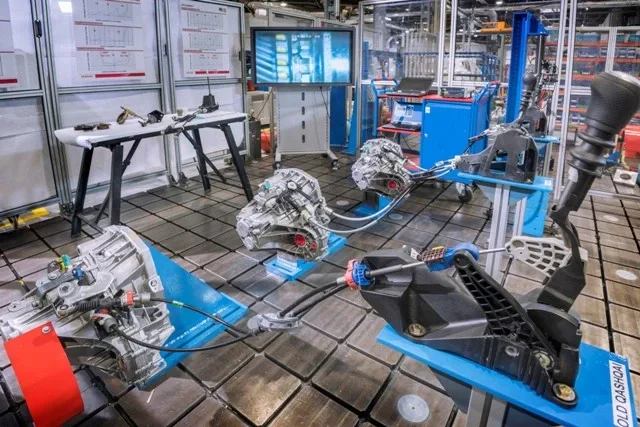
Что касается автоматических и роботизированных КПП, программа тестов, конечно, несколько отличается. Однако, в целом суть та же – настройка плавности и алгоритма переключений, а также испытания на выносливость в критических режимах.
Для плохих дорог
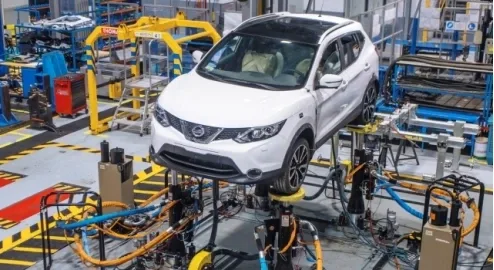
Есть у Ниссана в Барселоне и уникальный стенд, на котором специалисты оценивают «живучесть» подвески. С помощью множества программ работы он позволяет имитировать дороги разного качества. Кто-то может возразить, мол, проще устроить покатушки по украинским дорогам – правдоподобней будет. Но возражу. Во-первых, на стенде воссоздают дороги, которые даже похлеще наших. Во-вторых, он позволяет существенно ускорить программу испытаний.
Чтобы было понятней, всего за 1 месяц круглосуточной проверки разработчики получают реальную картину, идентичную 10-ти годам езды по обычным дорогам! При выводе модели на рынок, это очень немаловажный фактор в пользу стендовых испытаний.
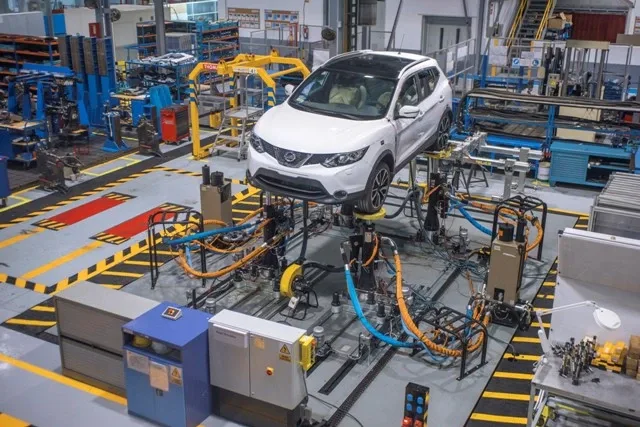
Посредством такого приспособления ниссановцы проверяют не только надежность ходовой части, а и выносливость кузовных элементов и всевозможных креплений при чрезмерных нагрузках. Чтобы тесты были максимально объективными и всеохватывающими, после проведения всех этапов проверки, к автомобилю запрещено не просто прикасаться, а даже приближаться. По окончанию испытаний его снимают со стенда специальным краном, и лишь после этого начинается обследование узлов и агрегатов машины.
К слову, одной из последних моделей, которой устроили здесь «проверку боем», стала новая версия пикапа Nissan Navara NP300.
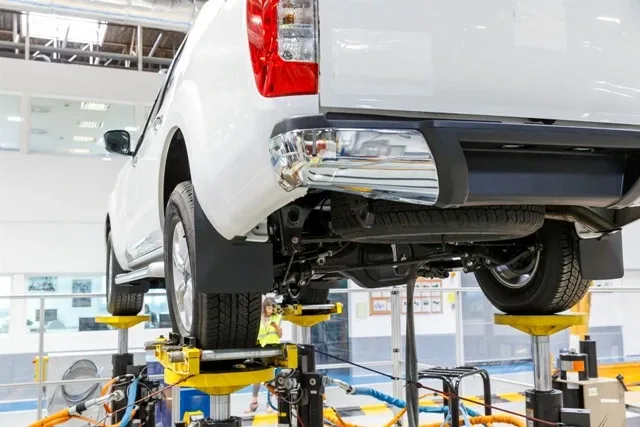
Разработчикам была поставлена задача проверить его в максимально экстремальных внедорожных условиях. Поэтому, наблюдая со стороны за тряской, порою становилось жаль машину до слез – трусили ее очень жестко и жестоко. Отмечу, что это были показательные «выступления», ведь данная модель уже прошла тесты и, согласно их результатам, была признана особо выносливой. Это подчеркивает беспрецедентная гарантия на новую Навару, которая в Европе составляет 5 лет или 160 000 км пробега!
Столь впечатляющий гарантии срок был достигнут не в последнюю очередь благодаря упомянутому стенду. Но Navara NP300 – глобальная модель, рассчитанная как на продажи в Канаде, так и, скажем, в Эмиратах. А это дополнительный объем работы, поскольку, в зависимости от рынка сбыта, автомобиль должен быть в состоянии противостоять 40-градусной жаре и/или 30-градусному морозу.
Климатические камеры
В техническом центр Барселоны у Ниссана есть несколько отдельных «комнат», где автомобили проверяют на работоспособность в разных климатических условиях (от -50С до +90С). Они позволяют узнать, как функционирует кондиционер под палящим солнцем пустыни, или корректно ли заведется мотор за полярным кругом. Но это если говорить о более-менее реальных условиях.
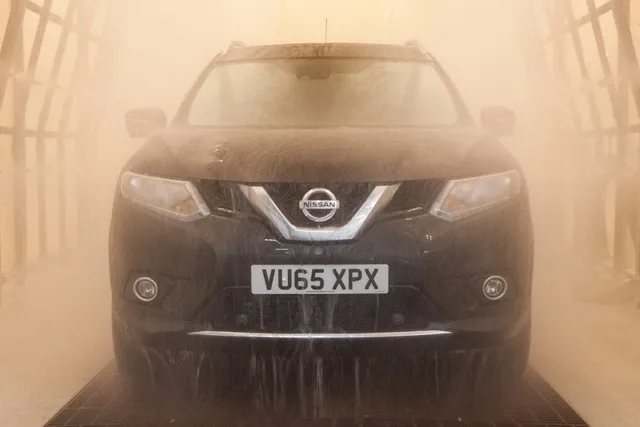
Ведь специалисты центра устраивают и маловероятные ситуации, в которые может попасть 1% покупателей, и то не факт. Но в том и суть, что разработчики хотят быть уверены, что клиентские авто не подведут их в любой ситуации. Приведу конкретный пример.
Во время нашего визита, экскурсовод показал нам автомобиль с прицепом, уткнувшийся передком в стену. Задав риторический вопрос о сути эксперимента, он заявил, что это имитация пребывания автомобиля в высокогорье Альп, когда моторный отсек засыпало снегом. Ах да, воздух – разреженный, а прицеп - это якобы трейлер. Вот так то…
Реальные тесты
После стендовых испытаний и тестирований, подопытные автомобили отправляют на полигон. Там их проверяют в реальных условиях, «оттачивая» управляемость и характеристики. Причем они заключаются не только и не столько в веселой езде по треку, сколько в нудных и длительных ежедневных заездах.
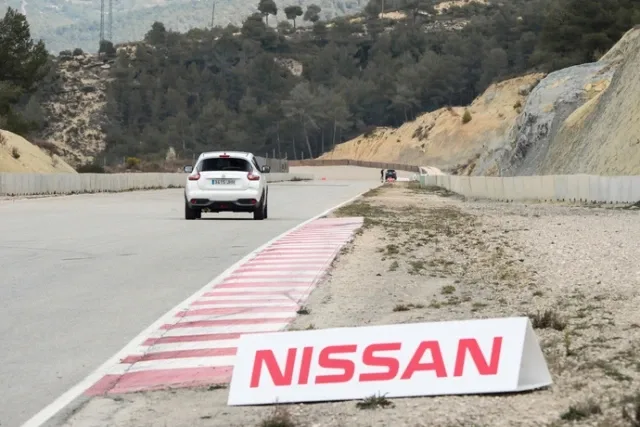
О тонкостях тестирований на полигоне, мы расскажем в следующей публикации о визите в европейский технический центр Nissan. Следите за публикациями, а пока что – почитайте эксклюзивный тест-драйв 600-сильного Nissan Juke R 2.0 по цене двух Феррари!