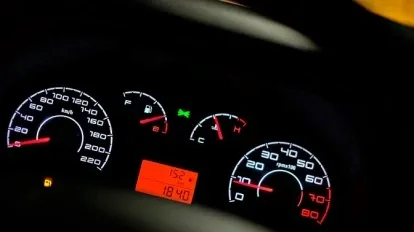
Чтобы помочь автовладельцам лучше ориентироваться в символах на приборной панели, АвтоПортал подготовил краткий обзор самых часто встречающихся индикаторов.
Что означает цвет
Прежде всего, стоит помнить, что цвет лампочки — это главный сигнал, по аналогии со светофором.
Красный цвет — движение на автомобиле опасно
Желтый — призывает проявить внимание (как и на светофоре)
Зеленый — несет лишь информационную функцию (например, габаритные огни или ближний свет). Другие оттенки тоже встречаются. К примеру, синий обычно сигнализирует только об активированном дальнем свете.
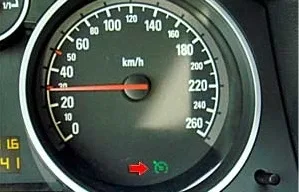
Стоит учитывать, что большинство индикаторов (особенно красные и желтые) должны потухнуть через несколько секунд после пуска двигателя. Если они продолжают гореть постоянно (не считая случаев, когда включены фары или противотуманки), это указывает на неполадки.
Обычно расшифровку всех символов можно найти в руководстве по эксплуатации. Но что делать, если машина куплена на вторичном рынке, а владелец не передал книжку? В такой ситуации наша статья будет полезна.
Здесь мы разберем наиболее значимые и часто встречающиеся пиктограммы, опустив очевидные — такие как указатели поворота, индикаторы света, сигнал низкого уровня топлива и тому подобное. Вряд ли кому-то нужно объяснять эти базовые вещи.
Расшифровка символов на панели
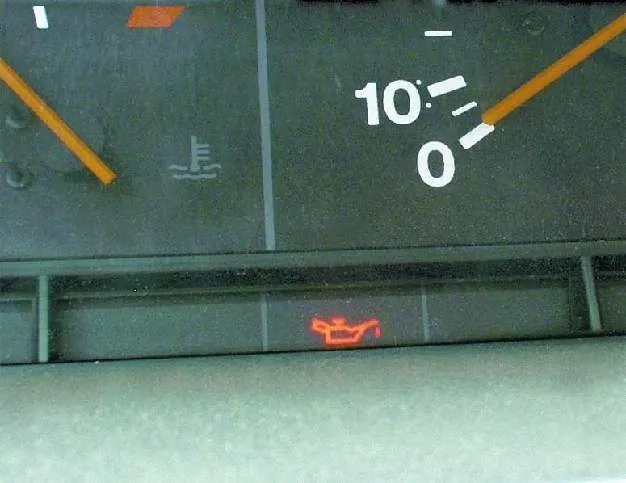
Лампа давления масла. Если она не исчезает после запуска мотора (горит постоянно или мигает), нужно срочно проверить уровень масла — вероятно, он опустился до критической отметки.
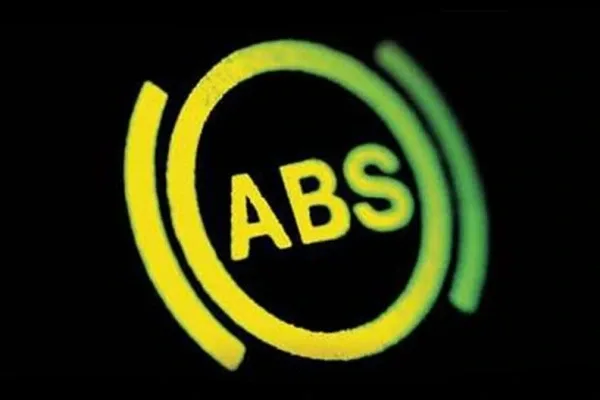
Значок ABS. Указывает на сбои в антиблокировочной системе. Ездить можно, но с осторожностью — при экстренном торможении система может не сработать.
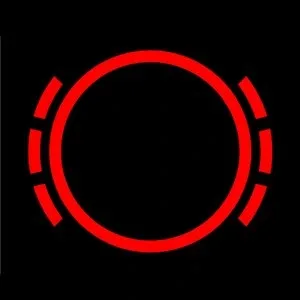
Индикатор тормозной системы. Если он не гаснет, продолжать поездку очень рискованно. Обычно это говорит о нехватке тормозной жидкости или проблемах со стояночным тормозом.
Сигнал износа тормозных колодок. Напоминает о том, что пора проверить состояние колодок.
Индикатор аккумулятора или генератора. Свидетельствует о разряде батареи или неисправности генератора. Если лампа загорелась в дороге, стоит осмотреть ремень генератора. При необходимости продолжить путь лучше выключить энергоемкие устройства (магнитолу, свет и т.д.).
Сигнал открытой двери. В зависимости от модели может указывать на незакрытую дверь или багажник. Во многих современных авто показывает конкретную дверь.
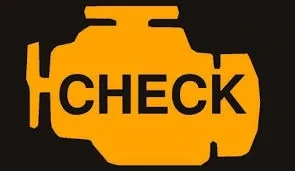
Индикатор неисправности двигателя. Если загорается значок или надпись CHECK, значит, в электронном блоке управления мотором есть ошибки. Часто появляется после заправки некачественным топливом. В любом случае лучше обратиться в сервис — самостоятельно найти причину обычно не получится.
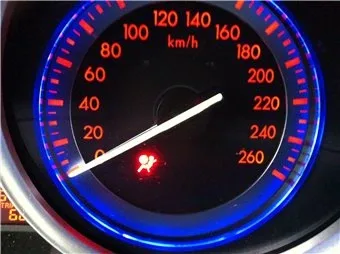
Датчик airbag (SRS). Сигнализирует о неполадках в системе подушек безопасности или преднатяжителей ремней.
Индикатор температуры двигателя. Синий значок на некоторых авто говорит о том, что мотор еще не прогрелся — до его исчезновения не стоит давать высокие обороты. Оранжевый цвет предупреждает о перегреве.
Индикатор ГРМ. Встречается не на всех машинах, но существует. Если загорается T-BELT — пора менять ремень ГРМ.
Индикатор преднакала (EPC). Характерен для дизельных моторов. Лучше сразу ехать на диагностику — причины могут быть разными, но это такой же тревожный сигнал, как CHECK.

Индикатор круиз-контроля. Если лампа не гаснет при выключенной системе, значит, есть неисправность.
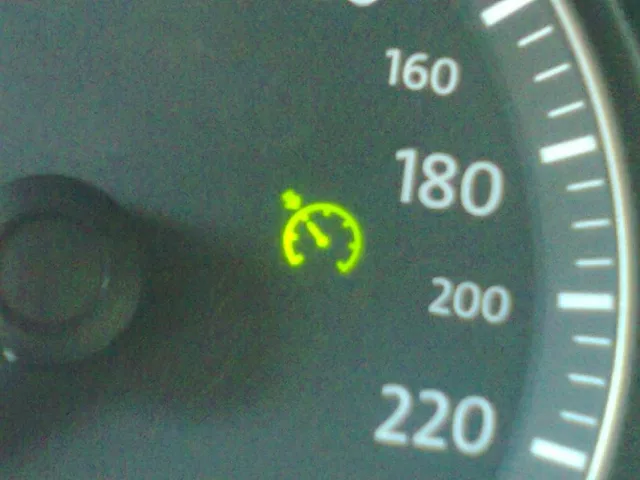
Индикатор сонаров. Пока еще непривычный для украинских водителей символ. Встречается на авто с адаптивным круиз-контролем.
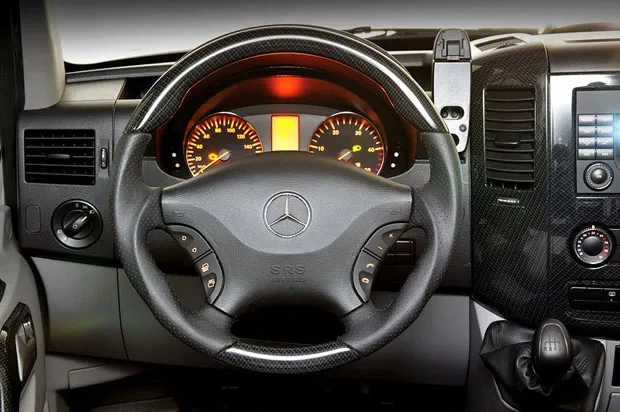
Индикатор электроусилителя руля. Желтый значок в виде руля — легкая ошибка, красный — серьезная.
Индикатор неисправности освещения. Загорается, если перегорела одна из внешних ламп (габариты, ближний свет и т.п.).
Индикатор лючка бензобака. Редкий символ. Если горит — лючок открыт.
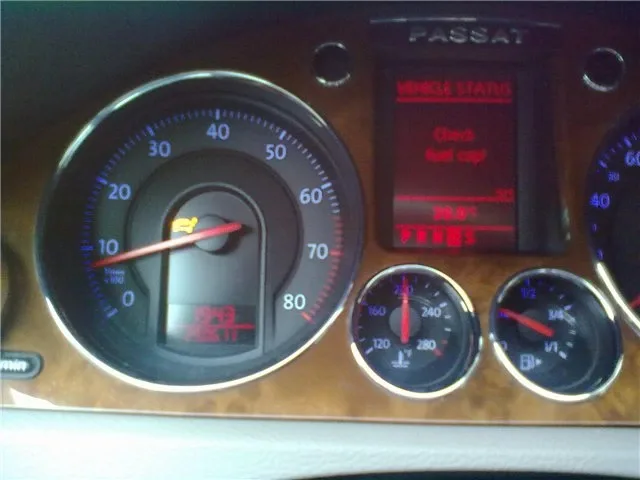
Индикатор уровня омывающей жидкости. Если светится — нужно долить жидкость в бачок стеклоомывателя.
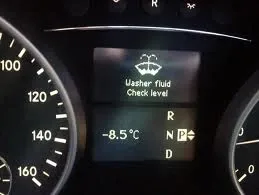
Этот значок сообщает о необходимости долить охлаждающую жидкость в радиатор.
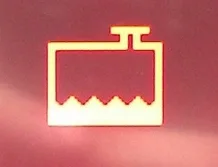
Индикатор сажевого фильтра. Встречается на дизельных авто и напоминает о необходимости замены или очистки фильтра.
Датчик давления в шинах. Загорается, когда давление в одном или нескольких колесах падает до критического уровня.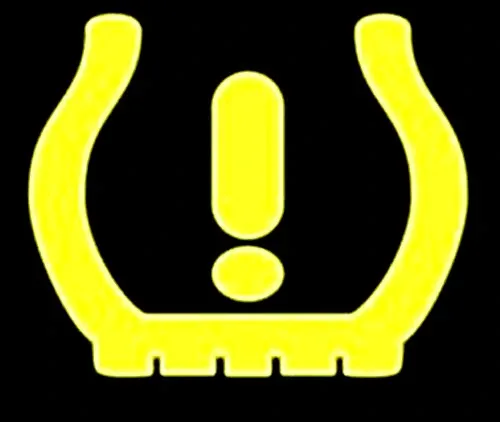
Индикатор детского кресла. Светится, если кресло установлено неправильно.

Индикатор AT Check. Появляется при проблемах с автоматической коробкой передач. Аналогичен диагностике ошибок двигателя.
Индикатор O/D off. Встречается на авто с АКПП. Указывает на отключенный режим Overdrive.
Индикатор бесключевого доступа. Если загорается такой символ, значит, произошел сбой в системе бесключевого доступа или запуска двигателя. Рекомендуется не глушить мотор и сразу ехать в сервис — иначе после остановки можно не завести машину с кнопки и придется открывать ее механически.
Индикатор полного привода. На авто с подключаемым полным приводом может означать активацию этой системы. Но если привод выключен или постоянный, а лампа горит — есть неполадки. Обозначается надписью 4WD или рисунком.
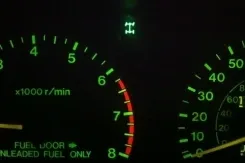
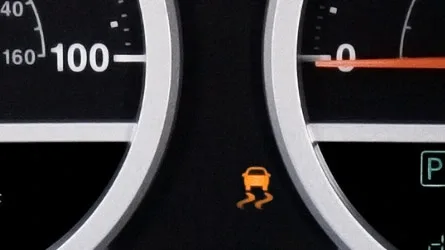
ESP Off. При появлении такого знака стоит проверить, не отключена ли система динамической стабилизации. У многих машин при отключении светится надпись OFF. Если система не отключалась, а индикатор горит — произошел сбой. У разных производителей эта система называется по-разному. У Ferrari — CST, у BMW, Jaguar, Land Rover, Mazda, Mini — DSC, у Volvo — DSTS, у Mitsubishi — MASC, у Maserati — MSP, у Porshe — PSM, у Alfa Romeo, Subaru — VDC, у Honda — VSA, у Daihatsu, Lexus, Toyota — VSC.
Вместо заключения
Перечисленные индикаторы — самые типичные. Но это не значит, что в вашем авто не найдется других символов. Все зависит от марки, года выпуска и комплектации. Поэтому наш обзор полезен большинству водителей, но не охватывает все возможные значки. Главное правило: если приборная панель вдруг замигала, как новогодняя елка, — это не праздник. Это повод посетить сервис, ведь без специального оборудования определить причину большинства сигналов самостоятельно практически невозможно.