
Фары
Короткое однократное мигание дальним светом — сигнал, привлекающий внимание. Если мигают сзади во время движения по трассе — это просьба уступить дорогу (для этого также уместно использовать левый поворотник — об этом ниже).
Если вы не планируете уступать — слегка нажмите на педаль тормоза, чтобы на мгновение загорелись стоп-сигналы. Если же вам мигают сзади, но перестроиться прямо сейчас нет возможности (при этом вы готовы пропустить) — включите правый поворотник, что будет означать: «уступлю, как только появится возможность».
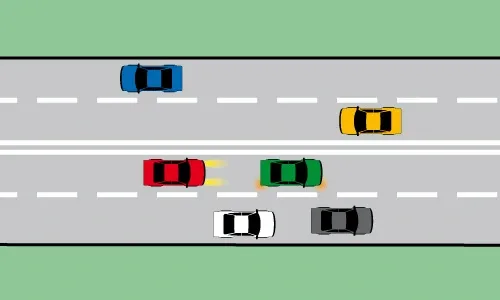
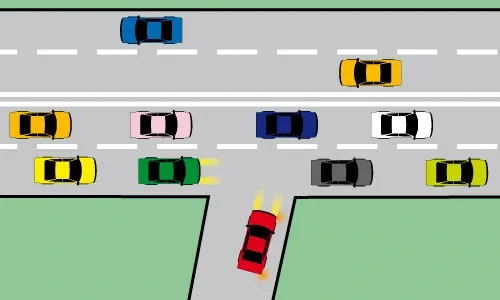
Если мигают сбоку — вас просят пропустить, чтобы встроиться в плотный поток, выезжая с второстепенной дороги или выполняя перестроение.
Одно короткое (иногда два) мигание также трактуется как: «проезжай, я пропускаю», а при движении навстречу одно мигание может служить выражением благодарности.
В тёмное время суток одно короткое мигание дальним светом может означать: «выключите дальний свет — он слепит». В таком случае нужно переключиться на ближний или погасить противотуманные фары. Если вы едете с включённым ближним — ответьте коротким миганием дальним, что будет означать: «у меня включён ближний, а не дальний».
Два коротких мигания дальним светом — впереди опасность (иногда по ошибке мигают только один раз).
Опасность может быть разной (на постсоветском пространстве этот сигнал чаще всего используется для предупреждения о постах ГАИ). В любом случае стоит сбросить скорость и быть внимательнее.
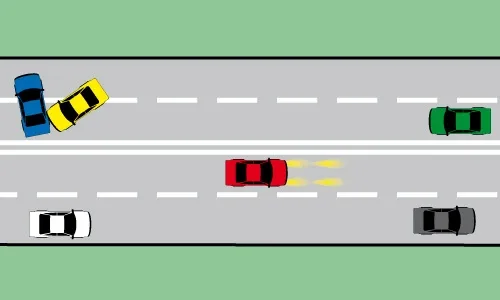
За предупреждение об опасности принято благодарить — поднятой открытой ладонью или кивком головы. Обратите внимание: не ответным миганием, а именно жестом. Эта традиция тоже родом из советских времён: если вас предупредили о засаде ГАИ, ответное мигание может привлечь внимание инспекторов, которые остановят вас за «неправомерное использование световых сигналов».
Один продолжительный сигнал дальним светом — требование обратить внимание. Если мигают сзади на трассе — настойчиво просят уступить дорогу.
Длинный сигнал дальним светом также означает «не могу (или не хочу) пропустить» при разъезде. Иногда он дополняется звуковым сигналом.
Аварийка и поворотники
Однократное (лучше — двукратное) мигание аварийной сигнализацией — знак благодарности или извинения — в зависимости от обстоятельств.
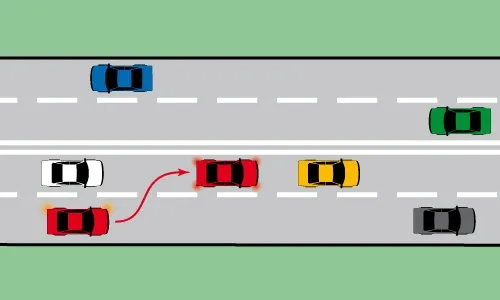
Аварийку также включают при вынужденном перестроении (это одновременно и просьба пропустить, и извинение за доставленные неудобства).
Поворотники — инструмент многофункциональный.
Если впереди идущая машина включает поворотник, но не перестраивается — это сигнал о том, что на дороге с той стороны, куда включён поворотник, есть препятствие.
Соответственно, включённый левый поворотник на впереди идущем авто означает: «обгон запрещён, впереди препятствие» или «уступить дорогу не могу».
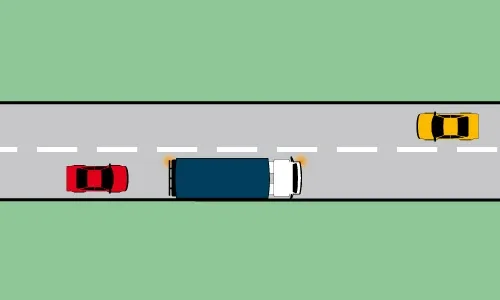
Включённый правый поворотник — «обгоняй, путь свободен» (при этом стоит убедиться, что водитель не собирается просто поворачивать).
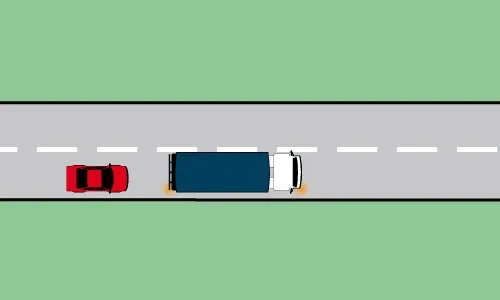
Чаще всего такие сигналы используют водители крупногабаритных автомобилей (грузовиков, фур), чьи размеры серьёзно ограничивают обзор тем, кто едет сзади.
Встречные автомобили, предупреждая об опасности, могут дополнить двойное мигание дальним светом включённым поворотником, указывающим, с какой стороны ждать опасность.
Водитель, движущийся в левом ряду, включая левый поворотник, просит водителя впереди идущей машины пропустить.
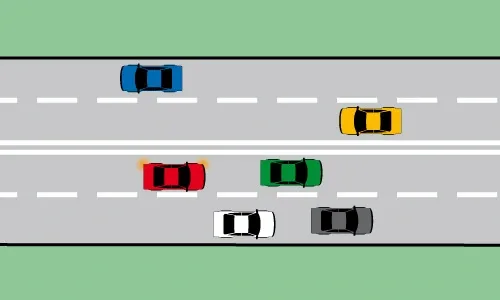
Звуковая сигнализация
Напомним: согласно пункту 9.5 ПДД, звуковой сигнал в городе разрешено использовать только для предотвращения аварийной ситуации. То есть выражать эмоции клаксоном — нельзя.
Длинный гудок/гудки — настойчивое привлечение внимания для предотвращения аварии; признак крайнего недовольства.
Один короткий гудок — привлечение внимания, а также знак благодарности или лёгкого недовольства; два и три коротких гудка — свидетельство растущего недовольства соответственно.
Жесты
В плотном потоке, желая перестроиться или повернуть, включённый поворотник иногда дополняют вытянутой рукой с открытой ладонью.

В знак благодарности за предупреждение об опасности от встречного водителя — кивают головой или поднимают руку с открытой ладонью.
Соседний водитель указывает на обочину — у вас неисправность, нужно остановиться; хлопает ладонью в воздухе — открыт багажник; кисть руки описывает круг и показывает вниз — спущено колесо; описывает круг, сложив кисть в фигу — камень застрял в колесе (это актуально для грузовых авто).
Жесты, заменяющие сигналы поворотников (используются при их неисправности):
- поворот налево, а также разворот, перестроение налево, начало движения от правого края проезжей части — сигнал подаётся левой рукой, вытянутой в сторону, или правой, вытянутой в сторону и согнутой в локте под прямым углом;
- поворот направо, а также разворот, перестроение направо, начало движения от левого края проезжей части — сигнал подаётся правой рукой, вытянутой в сторону, или левой, вытянутой в сторону и согнутой в локте под прямым углом.
При неисправности тормозной системы сигнал торможения подаётся левой или правой рукой, вытянутой вверх.
О пешеходах
Как показывает практика, пешеходы обычно не понимают или превратно истолковывают световые и звуковые сигналы водителей.
Поэтому, если вы намерены пропустить пешехода на переходе (что вы обязаны делать) или просто на дороге — не нужно мигать дальним светом, подразумевая «проходи, я пропускаю». Гораздо эффективнее и понятнее будет махнуть рукой вдоль «зебры».
Зарисовка из Германии
В Европе автомобилисты тоже пользуются языком знаков. Но ряд жёстких ограничений, например на звуковые сигналы, этот язык несколько обедняет. Приведём несколько примеров условных сигналов водителей в Германии.
Аварийную сигнализацию разрешается включать только по прямому назначению — если машина сломалась. Одно из немногих исключений: если на автобане образовалась пробка, машина в хвосте пробки может включить аварийную сигнализацию, чтобы автомобили, подъезжающие к ней (а скорость на автобанах порядка 160–200 км/ч), имели возможность заблаговременно притормозить.
Водители грузовиков благодарят друг друга включением правого, а затем левого поворотника (такой сигнал используют и в нашей стране).
Мигание дальним светом запрещено, но международный сигнал опасности (2 мигания дальним) иногда используется.
Звуковая сигнализация тоже запрещена. Использовать клаксон можно только для предупреждения аварии, иначе могут выписать штраф.
И ещё немного жестов
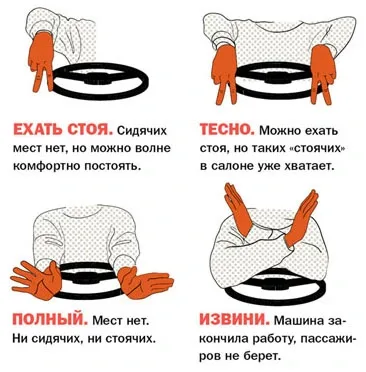
При подготовке материала попалась интересная информация, которой не могу не поделиться. Это жесты, которые подают водители маршруток потенциальным пассажирам:
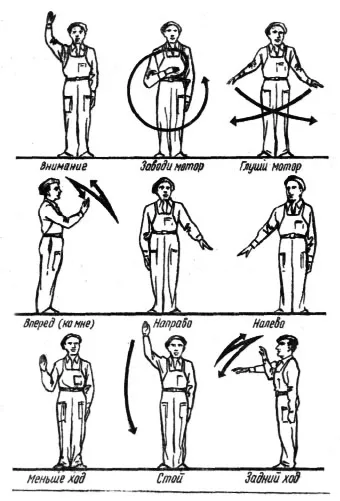
и жесты для координации действий водителя при маневрировании:
Итак
Язык условных сигналов автомобилистов достаточно многогранен. Он позволяет и предупредить об опасности, и попросить пропустить, и поблагодарить за оказанную услугу, и выразить недовольство соседом по дороге.
Осталось лишь в очередной раз призвать к вежливости на дорогах, чтобы благодарное мигание аварийки использовалось всё-таки чаще, чем недовольные гудки.