В странах Европы редко углубляются в технические тонкости устройства трансмиссий — там ключевым критерием при выборе коробки передач является ее топливная эффективность. Украинские же автолюбители, выбирая автоматическую КПП, в первую очередь обращают внимание на ресурс и безотказность. Особенно актуален этот вопрос при покупке машины с пробегом.
В данной статье мы простым языком разберем конструктивные отличия автоматических трансмиссий и перечислим сильные и слабые стороны каждой из них.
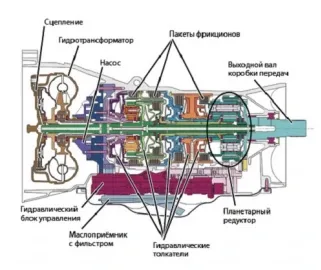
Гидротрансформаторная (классическая) АКП
Эта трансмиссия устроена довольно сложно, при этом появилась она позже, нежели вариатор или роботизированная коробка. Однако именно ей удалось первой получить массовое применение на автомобилях. Развитие двух других типов сдерживало отсутствие надежных способов управления передачей усилия — иными словами, несовершенная электроника.
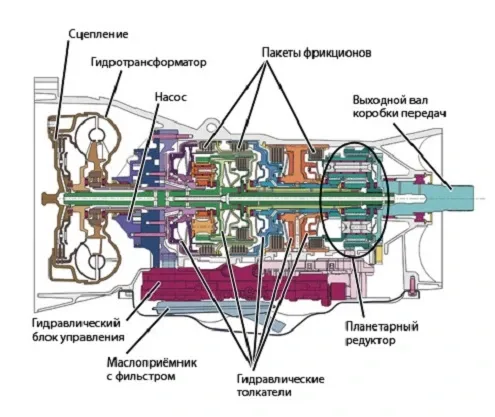
Первые серийные образцы таких трансмиссий начали выпускать в начале 40-х годов прошлого века. Американские инженеры установили коробки Hydramatic на автомобили Oldsmobile. Те первые агрегаты имели лишь три передачи, но с учетом огромного объема двигателей и дешевого топлива в США этого хватало. Стоит отметить, что одна из них была задней, фактически коробка являлась двухступенчатой.
Однако невысокий коэффициент полезного действия, посредственная разгонная динамика и другие недостатки вынудили инженеров дорабатывать конструкцию, и со временем количество передач увеличилось. Гидротрансформатор же остался выполнять функцию сцепления, обеспечивая плавную передачу крутящего момента от мотора к коробке. Такая схема используется и в наши дни, пройдя долгий путь модернизации и получив электронное управление.
Главный минус классических АКП — низкий КПД и, как следствие, больший расход горючего — тоже удалось минимизировать. На современных машинах гидротрансформатор задействуется лишь для плавного старта, а затем электроника жестко блокирует его, исключая ненужные потери энергии.
Электронные системы также помогают при переключении скоростей. Современная коробка выбирает момент смены передачи точнее, анализируя загруженность автомобиля, манеру вождения и даже уклон дороги (датчик уклона есть во многих АКП).
Развитие компьютерных технологий позволило водителям выбирать алгоритм работы коробки: экономичный, спортивный, ручной, зимний и т.д. В современных гидравлических АКП стало больше ступеней, а сами агрегаты уменьшились в габаритах и весе. Классические коробки по-прежнему востребованы на крупных и мощных авто. Встречаются они и на малолитражках, преимущественно бюджетных, которые оснащаются почти «древними» 4-ступенчатыми агрегатами. Примером могут служить новые Lada Granta и Nissan Almera.
Плюсы | Минусы |
|
|
Топ 5 популярных автомобилей с классической АКП: Honda Civic, Nissan Note, Toyota Camry, KIA Sportage, Mitsubishi Pajero Wagon
Вариатор
Как ни странно, идея передачи усилия от одного конуса к другому посредством ремня известна еще с эпохи средневековья. Ее применяли мельники. Тогда ремень перемещали вручную, а нагрузки были небольшими, поэтому долгое время адаптировать эту схему для автомобиля не получалось.
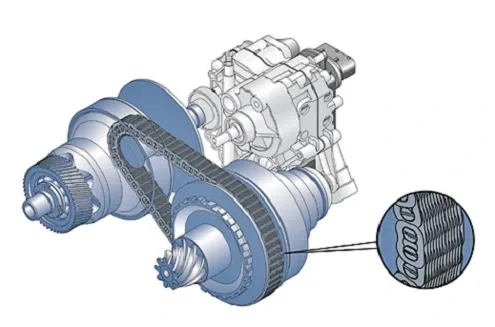
Принцип работы можно представить на примере велосипеда, где вместо нескольких звездочек стоят два конуса, а вместо цепи — ремень. Если электроника оперативно и точно перемещает ремень от конуса большего диаметра к конусу меньшего на одном конце, то соответственно меняется передаточное усилие на другом конце, который вращает колесо. Подобное делает велосипедист, перекидывая цепь с одной звездочки на другую.
Изначально вариатор отлично показал себя на маломощной технике, например, на скутерах. А вот мощные двигатели быстро убивали ремень. Со временем его заменила стальная наборная лента, да и конусы уже не применяются. Впрочем, принцип передачи усилия остался прежним. Для трогания с места чаще всего используется гидротрансформатор (существуют также вариаторы с мокрым сцеплением и др.). Поэтому потери энергии, пусть и меньшие, чем у классики, у вариатора тоже присутствуют.
Современные вариаторы довольно надежны и, как утверждается в рекламных материалах, рассчитаны на весь срок службы автомобиля. Однако иногда случаются отказы блока управления, а эта деталь может стоить несколько десятков тысяч гривен. Правда, такая неисправность характерна для машин со старыми вариаторами.
К достоинствам вариатора относят отсутствие ступеней, а значит, и разрыва в подаче мощности на ведущие колеса во время движения. Многие водители относят к минусам то, что мотор при разгоне работает на одних и тех же оборотах, издавая однотонный гул. Но и это современная электроника умеет сглаживать, искусственно меняя характер звука двигателя.
Вариатор заметно экономичнее классической АКП, а отсутствие передач обеспечивает неплохую динамику. Уступает он «классике» лишь на старте, на первых метрах пути, но затем быстро наверстывает, оказавшись в зоне рабочих оборотов.
Плюсы | Минусы |
|
|
Топ 5 популярных автомобилей с вариатором: Honda Jazz, Toyota Yaris, Subaru Impreza, Mitsubishi ASX, Nissan Teana
Роботизированная АКП
Робот задумывался как недорогая замена классическому автомату. По сути, это обычная механика, где выжим сцепления и переключение передач берет на себя электроника.
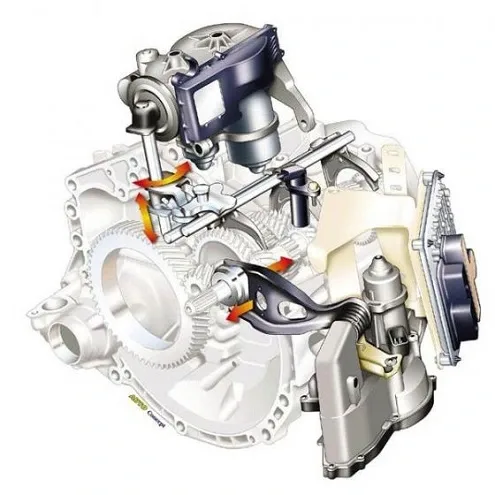
Отсюда вытекает и главная беда таких коробок — повышенный износ сцепления. Не все знают, что на светофорах селектор такой КПП нужно переводить в нейтраль — так сцепление прослужит дольше.
Еще один нюанс — несогласованность действий робота с желаниями водителя. К примеру, при выезде на трассу водитель хочет добавить газу на второй передаче, на которой едет, а вместо плавного ускорения получает рывок вперед (словно автомобиль притормозил), и лишь спустя время — резкий скачок скорости. Причина в том, что алгоритм работы робота повторяет «механику»: для переключения нужно не только давить на газ, но и отпускать его. Второй способ справиться с рывками — перейти в ручной режим. Поэтому такая коробка требует привыкания и определенных навыков.
Помимо низкой цены, такой «автомат» привлекает неплохой экономичностью. Роботы распространены на небольших машинах классов А, В, реже С.
В целом роботы довольно надежны, если не считать проблем со сцеплением. Также возможны сбои в управляющей электронике.
Плюсы | Минусы |
|
|
Топ 5 популярных автомобилей с роботизированной АКП: Peugeot 107, Fiat 500, Peugeot 208, Lancia Ypsilon, Citroen C4,
Преселективная АКП (с двойным сцеплением)
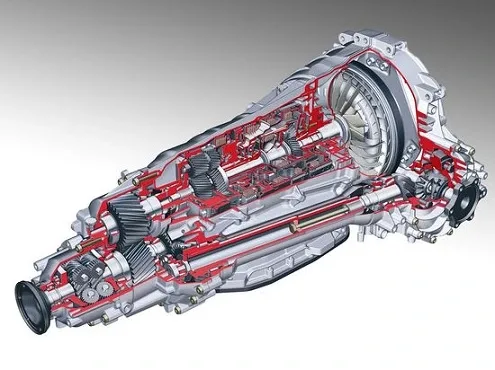
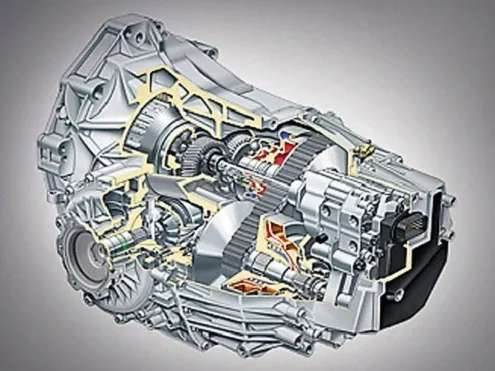
В отличие от простого робота, эта трансмиссия объединяет в одном корпусе сразу две роботизированные коробки. Поэтому в ней два сцепления и два вторичных вала, каждый со своим набором шестерен. Первичных валов также два, причем один проходит внутри полого второго.
Такая конструкция позволяет держать включенными сразу две передачи, при этом одно из сцеплений всегда «выжато». Выходит, что при разгоне для перехода на следующую передачу достаточно лишь отсоединить одно сцепление и задействовать другое. Происходит это синхронно и занимает всего 0,1 секунды.
Подобная АКП обеспечивает не только быстрый разгон и полное использование потенциала мотора, но и экономит топливо, поскольку постоянно переключается и имеет не менее шести передач. Да и разрыва потока мощности при переключениях практически не ощущается.
Достоинств у такой трансмиссии много, а недостаток по сути один — цена. Причем дорого стоят и сама коробка, и ее ремонт. Нареканий к первым поколениям было немало. Сегодня такие агрегаты стали гораздо надежнее, хотя многое зависит от производителя.
Porsche, Mercedes, Audi, Volkswagen — все они используют этот тип АКП. А в перспективе, по прогнозам специалистов, основными станут вариатор и робот с двумя сцеплениями. Прочие типы, вероятно, уйдут в разряд экзотики и останутся лишь на отдельных моделях.
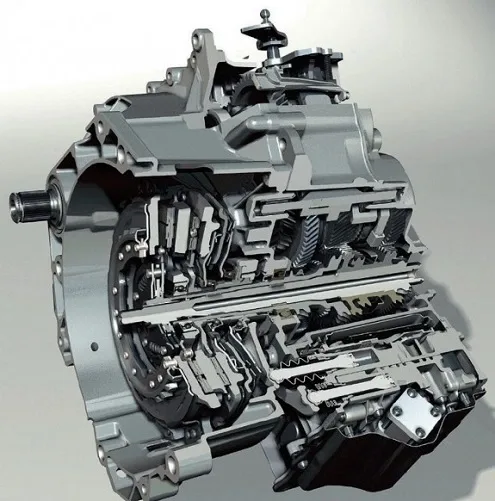
Поскольку конструкция преселективных коробок еще не до конца отработана и встречаются неудачные версии, говорить о среднем ресурсе пока рано. Но последние поколения таких трансмиссий без проблем проходят более 200 тыс. км пробега, и это далеко не предел.
Плюсы преселективной АКП:
Плюсы | Минусы | |
|
|
Топ 5 популярных автомобилей с преселективной АКП: Volkswagen Polo, Audi A3, Mercedes-Benz B-Class, Ford Mondeo, Volkswagen Passat
Резюме
Подводя итог, покупателю нового автомобиля можно дать такие рекомендации:
- вариатор — для машин малого класса (А, В, С);
- робот с двумя сцеплениями — для авто от С-класса и выше;
- классическую гидромеханику — для внедорожников, которые регулярно ездят по бездорожью.
Срок службы любой АКП зависит от ее конструкции, производителя и условий эксплуатации. Ведь дорогую автоматическую коробку можно быстро вывести из строя, если пренебрегать здравым смыслом и рекомендациями завода-изготовителя.
Если речь идет о подержанном автомобиле, автомат — независимо от типа — требует внимательного осмотра и консультации специалиста. О том, как правильно обращаться с тем или иным автоматом и как продлить срок его службы, читайте в нашей следующей статье.