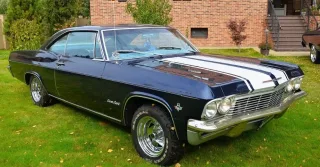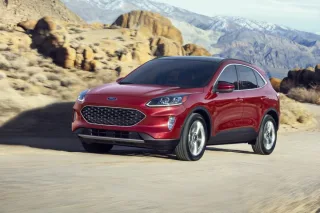
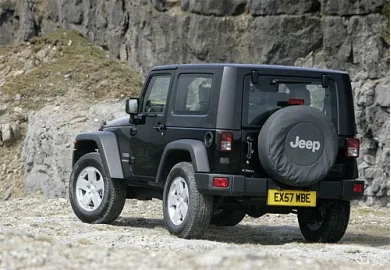
Все существующие варианты полного привода можно свести к трём основным категориям: подключаемый вручную (Part Time), работающий постоянно (Full Time) и тот, что активируется самим автомобилем (On Demand Full Time).
Привод, подключаемый вручную
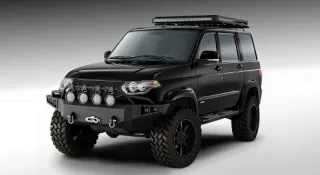
Part Time, как ещё называют этот тип, не рассчитан на длительное движение в режиме 4х4. В его конструкции нет межосевого дифференциала, который сглаживал бы разницу оборотов между осями. Если ехать с включённым приводом по твёрдому покрытию, элементы трансмиссии быстро выходят из строя.
Такой привод имеет смысл задействовать лишь на коротких сложных участках и на невысокой скорости.
Чаще всего для этого используется рычаг раздаточной коробки. Правда, на некоторых модификациях, чтобы зацепить переднюю ось, приходится покидать салон и вручную поворачивать специальные муфты (хабы) на ступицах.
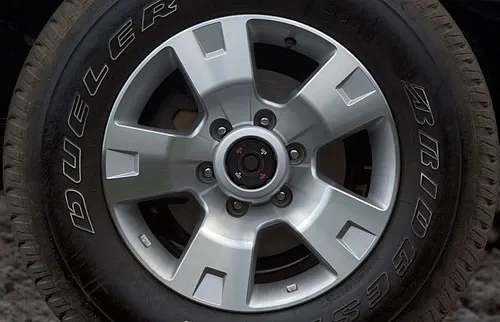
Такую схему применяют исключительно на настоящих внедорожниках, которые эксплуатируются по своему прямому назначению. Классические примеры — Jeep Wrangler и Nissan Patrol, которые не спешат доверять управление приводом электронике.
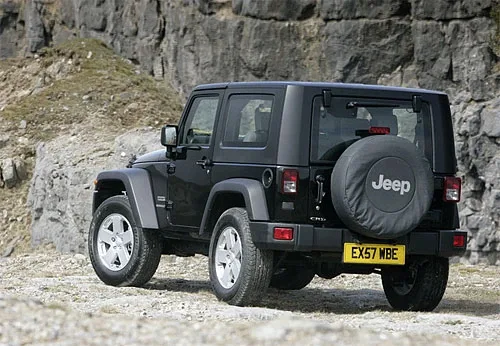
Кроме того, «временный» привод ставят почти на все китайские копии популярных внедорожников девяностых годов.
Внедорожники с честным Part Time постепенно исчезают — их вытесняют более свежие полноприводные системы.
Постоянный полный привод
Full Time у большинства производителей не позволяет водителю самому отключать одну из осей.
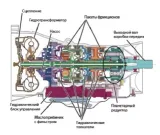
Благодаря межосевому дифференциалу такая трансмиссия всегда работает в полноприводном режиме, независимо от условий. В современных версиях этот дифференциал дополнительно оснащается собственной электроникой.
Подобная конструкция позволяет распределять момент между осями не только поровну, но и в других пропорциях. Если какое-то колесо начинает буксовать, «умный» дифференциал оперативно перебрасывает тягу на ось с лучшим сцеплением или даже на отдельное колесо, которое держится за дорогу.
Среди всех систем 4х4 этот тип считается самым продвинутым.
Современные системы с обилием электроники умеют подстраиваться под конкретное покрытие — асфальт, гравий, песок и так далее. Водителю достаточно нажать нужную кнопку.
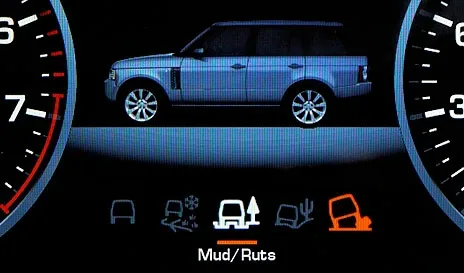
Наиболее известные примеры постоянного привода — это Audi с системой Quattro и Subaru с AWD.
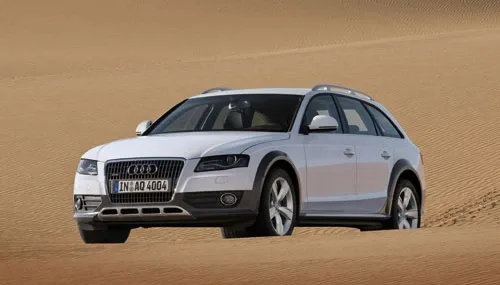
Любопытно, что таким приводом оснащаются и совсем не внедорожные седаны, купе и хэтчбеки. Это лишний раз подтверждает универсальность подобной схемы.
Автоматически подключаемый полный привод
Система On Demand Full Time оставляет автомобиль переднеприводным и лишь при пробуксовке ведущих колёс подключает заднюю ось. В современных версиях это происходит почти мгновенно, как только появляются первые признаки потери сцепления.
В зависимости от конкретной реализации момент между осями может меняться в широком диапазоне — от 10/90 до 90/10.
Электронная система стабилизации (ESP) следит за тем, чтобы машина не потеряла управление, когда характер привода резко меняется — из переднего на задний или наоборот.
На большинстве версий для сложных участков предусмотрена возможность принудительно зафиксировать распределение момента 50/50. Для этого есть кнопка с обозначением Lock или 50/50. Но как только скорость достигает 40-50 км/ч, блокировка снимается, и система возвращается в обычный режим.
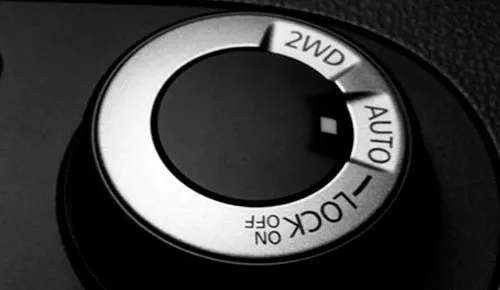
Такой автомобиль можно сделать и полностью переднеприводным — достаточно нажать кнопку с маркировкой 2WD. Отключение полного привода экономит топливо, а в городе четыре ведущих колеса нужны далеко не всегда.
Автоматически подключаемый привод — самая молодая из систем 4х4.
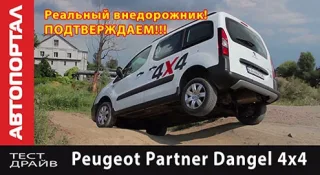
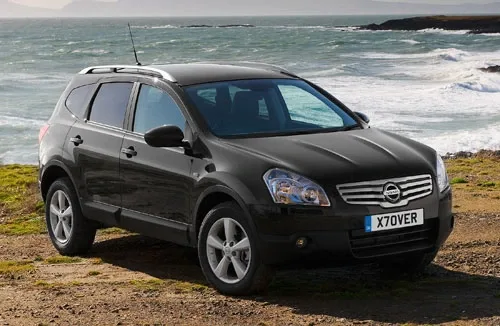
Именно она стоит на большинстве кроссоверов, которые продаются на нашем рынке. Можно даже сказать, что такой привод стал неотъемлемой чертой современного кроссовера. Новый класс автомобилей потребовал и нового типа привода — всё закономерно.
Какой же привод лучше?
Выбрать однозначно лучший вариант непросто — у каждого типа есть свои плюсы и минусы.
Для серьёзного бездорожья оптимальны внедорожники с ручным подключением привода и жёсткими механическими блокировками всех дифференциалов. Но в городе такие машины не доставляют удовольствия от вождения.
Городские кроссоверы с автоматически подключаемым приводом, наоборот, на бездорожье практически беспомощны, зато управляются как обычные легковушки.
Компромиссным решением выглядит постоянный полный привод — он справляется и с бездорожьем, и на трассе ведёт себя уверенно.
Однако вмешаться в его работу не получится: ни сэкономить топливо, ни преодолеть особенно сложный участок (несмотря на электронику) может не выйти.
| Плюсы | Минусы |
|---|---|
| Хорошая проходимость | Возможность только временного подключения |
| Простота/дешевизна конструкции | Плохая управляемость на трассе |
| Плюсы | Минусы |
|---|---|
| Хорошее сочетание проходимость/управляемость | Сложность/дороговизна системы |
| Надежность |
| Плюсы | Минусы |
|---|---|
| Возможность включить/выключить полный привод в любой момент | Ограниченная проходимость на бездорожье |
| Экономичность |