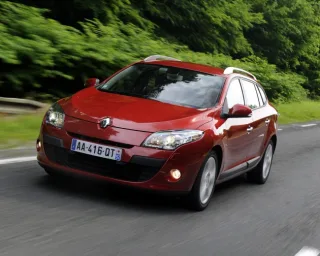
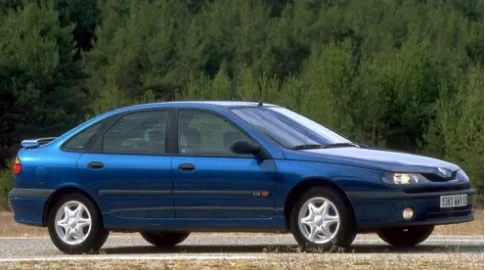
Героиня этого материала — Renault Laguna, и она действительно настоящая француженка во всех смыслах. Поговорим о её достоинствах и недостатках.
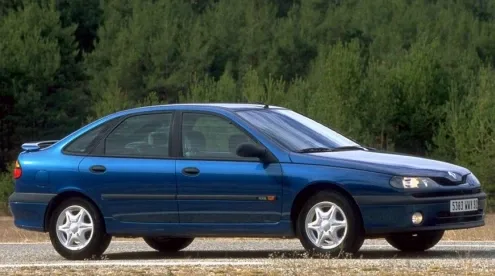
Данная публикация продолжает цикл статей АвтоПортала, посвящённых подбору подержанных машин. С актуальными предложениями можно ознакомиться в каталоге «Б/У авто» на нашем портале.
Описание
- Тип кузова: хэтчбек; универсал
- Дверей/мест: 5/5
- Габариты Длина/Ширина/Высота, мм: 4510/1750/1440; 4630/1750/1470
- База, мм: 2650
- Масса снаряженная/полная, кг: 1230/1840, 1285/2050
- Объем багажника, л: 450-1335, 890-1850
- Объем бака, л: 66
- Тип привода: передний
- КПП: 5-ст. механическая или 4-ст. автоматическая
- Тормоза передние/задние: дисковые/барабанные или дисковые/дисковые
- Подвеска передняя/задняя: независимая/полузависимая
- Двигатели:
- Бензиновые 4-цилиндровые: 1,6 л (107 л.с.) 16V, 1,8 л (90 л.с.), 1,8 л (120 л.с.) 16V, 2,0 л (114 л.с.), 2,0 л (139 л.с.) 16V
- 6-цилиндровые: 3,0 (167 л.с.) 12V, 2,9 л (190 л.с.) 24V
- Дизельные 4-цилиндровые: 1,9 л (98 л.с.) Turbo, 2,2 л (83 л.с.) и 2,2 л (113 л.с.) 16V Turbo
История
- 11.1993 Дебют Renault Laguna в кузове 5-дверный хэтчбек. Подушка безопасности водителя в базовой комплектации.
- 10.1994 — В моторную гамму добавляется атмосферный дизель объёмом 2,2 литра.
- 07.1995 — Премьера универсала Nevada, а также нового 16-клапанного бензинового мотора 2,0 л, разработанного совместно с Volvo.
- 1996 — Появляется 2,2-литровый турбодизель.
- 1997 — Модернизация 3,0-литрового V6.
- 1998 — Рестайлинг. Появляются новые 16-клапанные моторы и автоматическая коробка, созданная в партнёрстве с PSA Peugeot Citroën.
- 1999 — Гамма дизелей пополняется агрегатами dTi и dCi.
- 08.2000 — На смену первому поколению приходит Laguna II.
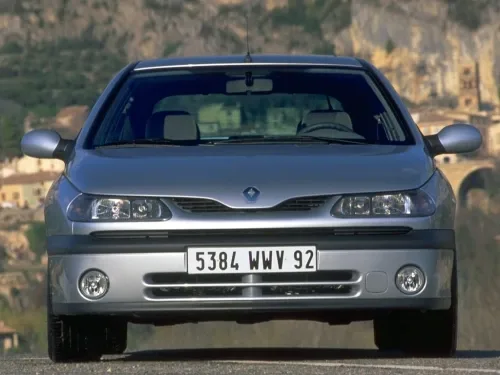
Laguna, сменившая Renault 21 в конце 1993 года, предлагалась лишь в двух кузовных исполнениях: привычный для Украины 5-дверный хэтчбек и довольно редкий универсал.
Сначала свет увидел хэтчбек. В 1995-м году к нему присоединилась версия Grandtour (или Nevada — название варьировалось в зависимости от рынка) в кузове универсал.
В начале 1998 года модель подверглась лёгкому обновлению. Рестайлинг принёс новую оптику, изменённые фонари и небольшие правки кормы универсала. Внешность также отличают круглые передние противотуманки. Моторная линейка расширилась.
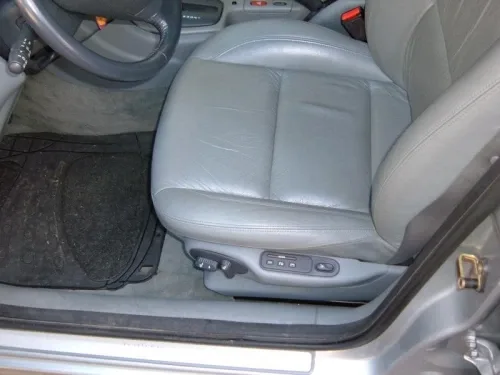
В зависимости от рынка комплектации могли быть значительно шире. В 2000 году появилась топовая версия первого поколения — Laguna Concorde. Она предлагала обширный список опций: салон с кожаной отделкой и голосовые подсказки бортового компьютера: «Здравствуйте! Бортовой компьютер приветствует Вас и проверяет все системы перед стартом.»
Производство Laguna I завершилось в феврале 2001 года, уступив место следующему поколению.
Кузов
По устойчивости к коррозии Laguna сделала огромный шаг вперёд относительно Renault 80-х. Однако на наиболее «уставших» или битых экземплярах ржавчину можно обнаружить на задних крыльях и арках колёс.
Автомобиль имеет высокую пассивную безопасность — кузов предусматривает специальные зоны деформации для поглощения энергии удара.
А вот передний бампер у Laguna — «расходник». Клиренс всего 12 см, а передний свес великоват.
Если присматриваете хэтчбек, проверьте амортизаторы крышки багажника — из-за её немалого веса они выходят из строя довольно быстро.
На некоторых машинах в корпуса фар попадает грязь, а передние дворники могут «жить своей жизнью».
Оба буксировочных крюка, как и на многих других авто, съёмные. Обычно они лежат в багажнике, но на подержанных машинах их часто нет. Поэтому при покупке уточните их наличие.
Салон
Laguna приятно удивляла качеством изготовления, особенно на фоне Renault 21. Если французские авто начала 1990-х грешили небрежной сборкой, то Laguna создавалась уже по иным лекалам.
Интерьер заслуживает отдельного разговора. Просторный салон с продуманной эргономикой: удобные кресла, добротные материалы отделки, щедрая комплектация. Без преувеличения, Laguna — один из самых комфортных автомобилей в своём классе. За такой набор достоинств легко простить отдельные недостатки.
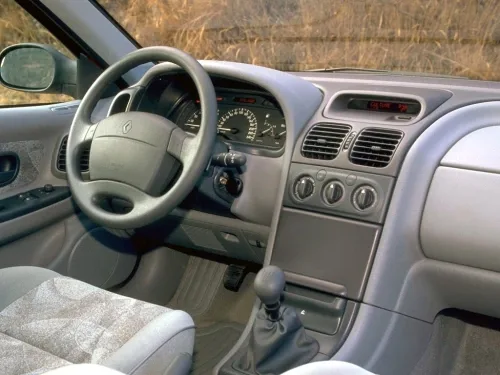
Выбор комплектаций широк: от скромной E1 (такие часто работали такси за рубежом) до максимальной E6 Baccara с кожаным салоном, деревянными вставками, памятью положений водительского кресла, круиз-контролем и голосовым бортовым компьютером, говорящим о неисправностях на трёх языках. Даже базовая версия была неплохо укомплектована: две (сначала одна) подушки безопасности, ABS, гидроусилитель руля, иммобилайзер и штатная сигнализация. Кондиционер — тоже частое явление.
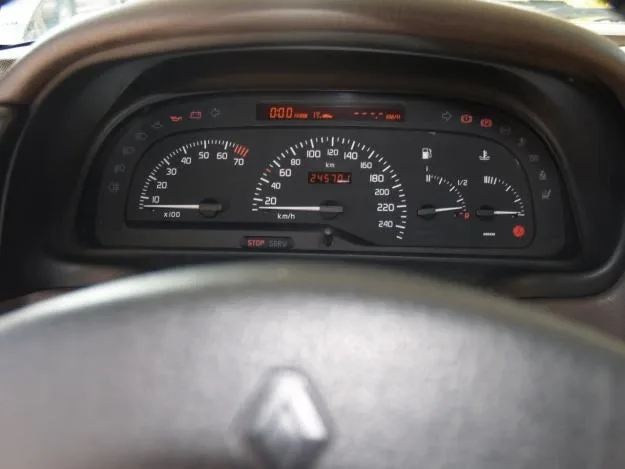
Были и минусы: заказ подушки безопасности пассажира до 1998 года лишал вас бардачка — она занимала его место.
При осмотре обязательно проверьте «печку» — это слабое место всех Laguna. Причина проста: за состоянием салонного фильтра нужно следить. Забитый фильтр нагружает вентилятор отопителя, перегреваются разъёмы, а их отдельно не купить — только жгут в сборе. На авто с кондиционером может сгореть весь блок управления.
Если уровень охлаждающей жидкости недостаточен, в системе растёт давление, что ведёт к деформации и разгерметизации радиатора отопителя. Об этих неисправностях предупредит лампа «Service» на панели климат-контроля.
Если не работает обогрев заднего стекла, ищите повреждённый провод в районе крышки багажника — он со временем переламывается.
Самое неприятное — электрика. Разъёмы окисляются практически повсеместно. С возрастом «глючить» могут любые узлы: стеклоподъёмники, бортовой компьютер, датчик температуры воздуха, датчики ABS, обогрев стекла и, конечно, лампочки.
Запаска удобно расположена внутри багажника, а не под днищем, как у других «французов». Сам багажник при этом не пострадал: спинка заднего сиденья складывается, объём — 450 литров, пол ровный, проём широкий, а арки почти не выступают благодаря компактной торсионной подвеске сзади.
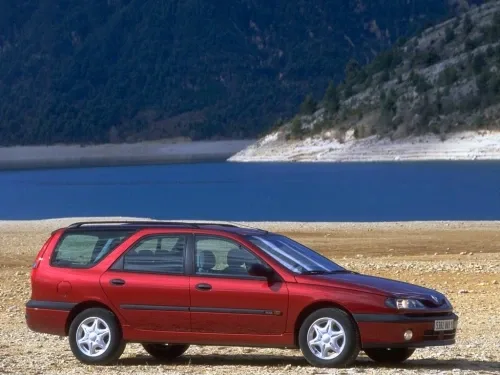
Универсал Laguna претендует на звание рекордсмена среди среднеразмерных семейных авто по объёму багажника: 520 л и 1780 л со сложенными сиденьями. Отдельная фишка универсала — заднее стекло открывается независимо от двери.
Двигатели
Линейка моторов была обширной и постоянно расширялась. Сначала предлагались бензиновые 1,8 л (94 л.с.), 2,0 л (113 л.с.) и 3,0 л V6 (167 л.с.), а также 2,2-литровый дизель (85 л.с.). Позже появились 16-клапанные 1.6 16V (107 л.с.), 1.8 16V (120 л.с.), 2.0 16V (139/140 л.с.) и 2.9 V6 (190 л.с.), плюс турбодизели 2,2 л (113 л.с.) и 1,9 л (98 л.с.). В Украине чаще всего встречаются ранние версии с бензиновыми моторами 1,8 л и 2,0 л.
При правильной эксплуатации и регулярном обслуживании их ресурс до замены колец — в среднем 300 тыс. км, хотя нередко двигатели «убивают» раньше.
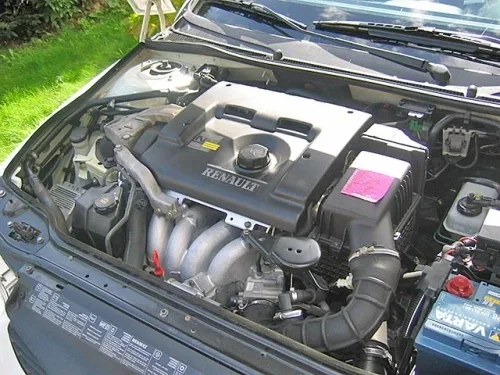
Моторы известны подтёками масла, особенно после 200 тыс. км. Сальник коленвала, привода маслонасоса, «потение» под клапанной крышкой. Приготовьтесь также к расходам на распределитель зажигания, а для 6-цилиндровых — на свечи с платиновым напылением, оригинальный антифриз и хороший 95-й бензин.
Эти двигатели боятся перегрева — обычно «садятся» поршневые кольца: металл размягчается, и кольца быстро изнашиваются. Причина перегрева — загрязнённые соты радиатора и подтекающие резиновые патрубки, которые со временем трескаются, а антифриз уходит через ослабшие хомуты. Следите за всей системой охлаждения: помпой, радиатором, шлангами и патрубками.
Если из-под сальников течёт масло, есть вероятность, что двигатель «кипел».
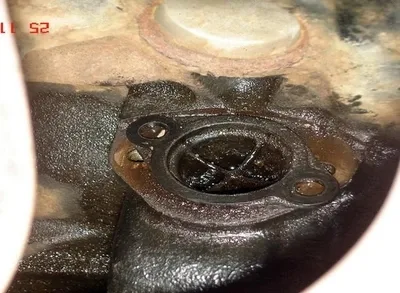
Ещё одна особенность — со временем требуют регулировки тепловых зазоров клапанов, которая делается подбором шайб. Конкретного регламента нет — клапаны регулируют, когда двигатель начинает работать шумнее.
При покупке обязательно узнайте, когда менялся ремень ГРМ — по регламенту производителя его срок вместе с роликом — 60 тыс. км. Запчасти лучше брать только оригинальные.
Если мотор работает с перебоями или не заводится, возможно, изношен уголёк в трамблёре. Причина — поржавевшая пружинка уголька (деталь идёт в сборе с крышкой распределителя).
К сожалению, 2,2-литровый дизель Renault нельзя назвать удачной разработкой. После 250-300 тыс. км требуют замены распредвал и головка блока цилиндров. Это грозит очень дорогим ремонтом и космическими ценами на запчасти. А вот 1,9-литровый турбодизель этой болезни лишён.
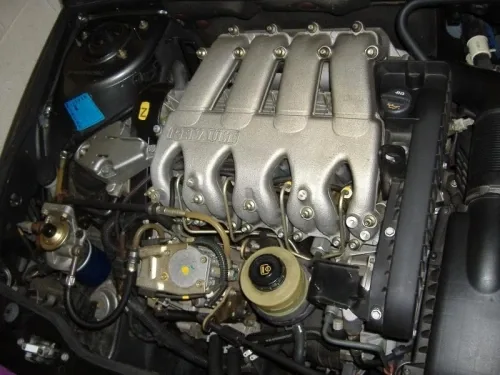
Если выстроить моторы по степени «живучести» и стоимости запчастей, получится такая цепочка: сначала шестицилиндровые и 2,2-литровые дизели, затем двухлитровые шестнадцатиклапанные, и только потом все остальные.
Остерегайтесь машин на газу. Для Renault с ГБО выпускаются специальные головки блока цилиндров, которые нужно менять каждые 70 тысяч. И никак иначе. Больше 100-110 тысяч они не «ходят», и если не заменить, мотор разрушается.
Трансмиссия
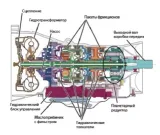
Автомобиль оснащался 5-ступенчатыми механическими коробками JB3, JC5 и «автоматами» AD4 (AD8) или DP0 (необслуживаемая). Последние встречаются реже.
Если вам попадётся экземпляр с «автоматом», не спешите отказываться — при аккуратной эксплуатации и своевременном обслуживании (замена масла и фильтра каждые 60 тыс. км) такие КПП работают долго. Однако диагностика агрегата не помешает. Основная проблема — управляющий блок.
А вот «механика» довольно капризна и может преподнести сюрпризы. Перед покупкой обязательно совершите тест-драйв. Если на 5-й передаче слышен гул — шестерни «на подходе». Вероятно, прежний владелец не проверял уровень масла в КПП и «сжёг» шестерни. Не забывайте менять масло каждые 60 тыс. км.
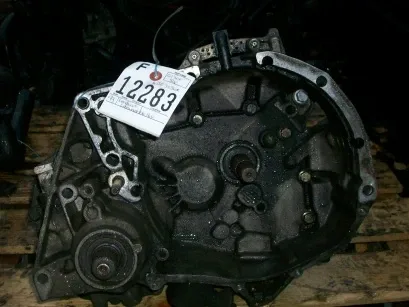
Коробки страдают от утечек трансмиссионного масла. Как и у других французских моделей, ремонт трансмиссии сложен и дорог, многие узлы меняются только в сборе. Поэтому регулярно проверяйте уровень масла. Подтекать может из сальника полуоси или штока переключения передач. Сами сальники копеечные, но замена очень дорогая.
Конструкция МКПП такова, что полной герметичности сальника добиться невозможно — даже новая деталь со временем начинает пропускать масло. Более того, для её установки нужно снимать коробку. Так что если сальник течёт не сильно, лучше его не трогать. Вскоре после появления течей придётся менять подшипники дифференциала. На некоторых машинах трескается даже корпус коробки.
На автомобилях с пробегом свыше 250 тыс. км может оборваться трос включения задней передачи, которая включается поднятием «юбки» на рычаге КПП.
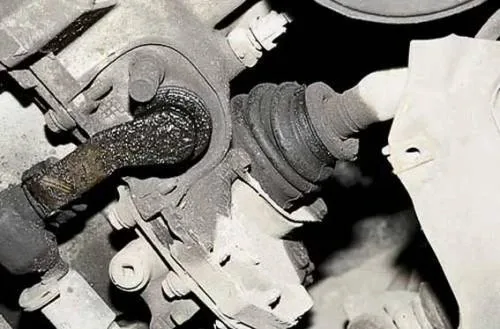
При осмотре обратите внимание на левый внутренний пыльник полуоси — из-под него также может течь масло. ШРУС несъёмный и меняется в сборе с приводом, то есть полуосью, что недешево. Поэтому пыльники нужно осматривать часто, особенно неоригинальные.
Ходовая часть
В Laguna не устаёшь даже от долгих поездок, хотя с асфальта лучше не съезжать — клиренс всего 120 мм.
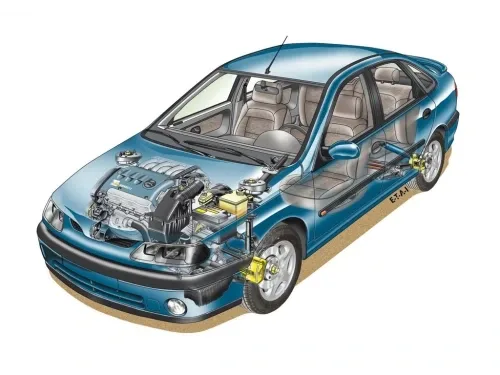
Подвеска настроена на комфорт и хорошо сглаживает неровности наших дорог. Её без изменений позаимствовали для минивэна Renault Espace. Спереди — обычный McPherson, сзади — классическая для Renault торсионная балка (Laguna I стала последней моделью Рено с торсионами) — простая и очень надёжная.
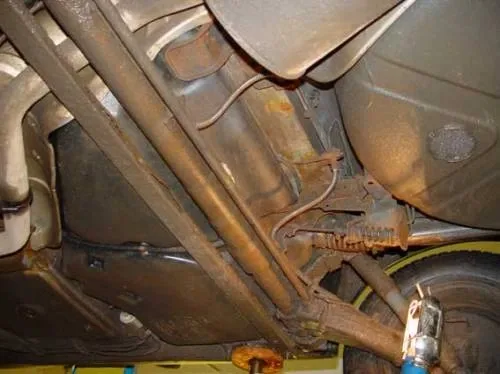
Задняя торсионная подвеска Laguna исключительно надёжна. Единственное, на что стоит обратить внимание — сайлент-блоки балки. Служат не менее 80 тыс. км (для замены нужно снимать балку). Амортизаторы «выхаживают» долго. К 200-250 тысячам требуется замена сайлент-блоков.
Передняя подвеска, конечно, послабее, но за мягкость и комфорт можно простить замену амортизаторов, опорных подушек и стоек стабилизатора. Амортизаторы — обычное дело для любого подержанного авто. Стойки стабилизатора на Laguna дорогие, но служат 50-60 тысяч — неплохо. А вот опоры амортизаторов, стоящие полсотни за штуку и живущие ненамного дольше стоек — явное слабое место.
Рулевое управление реечного типа достаточно чёткое. На всех машинах есть гидроусилитель, причём на дорогих версиях — с изменяемым усилием в зависимости от скорости. Во время тест-драйва прислушайтесь, как машина проходит неровности — если слышен стук в районе руля, разбит подшипник рулевого вала. За такой машиной можно смело торговаться — подшипник меняется только в сборе с частью вала и стоит Наконечники рулевых тяг на наших дорогах служат в среднем 40-60 тыс. км. Если их вовремя не заменить, выйдут из строя сальники рулевой рейки, которая не ремонтируется.
Тормозная система большинства Laguna — передние дисковые вентилируемые, задние барабанные и ABS. Задние дисковые тормоза ставили только на самые мощные бензиновые версии.
Специфический недостаток Laguna — недолговечность тормозных суппортов и шлангов.
Если на приборке внезапно загорелась лампа ABS, в первую очередь проверьте чистоту «мишени» датчика. Когда она забивается продуктами износа диска и некачественных колодок, датчик перестаёт работать — об этом и сообщает лампа.
Есть датчики износа передних колодок. Если задние колодки изнашиваются быстрее обычного, проверьте трос «ручника». Со временем он ржавеет в оплётке и после включения стояночного тормоза не полностью «отпускает» колодки, которые постоянно цепляют барабаны.
Цены на запчасти и обслуживание
Стоимость новых деталей средняя, но мы советуем не экономить и брать оригинал. Разница с аналогами невелика, а качество и ресурс — на порядок выше.
Также стоит признать, что французским машинам свойственна некоторая «замороченность» конструкции. Поэтому «убитую» машину восстанавливать на СТО довольно дорого.
Особых проблем с разборками нет. Автомобиль ещё достаточно свежий, и детали в хорошем состоянии найти несложно. Цены — средние.
- бампер передний — 600 грн
- бампер задний — 800 грн
- двери — 400 грн
- крышка багажника универсал — 1000 грн
- клапан холостого хода — 400 грн
- фонарь задний — 300 грн
- зеркало боковое — 250 грн
Итог
Renault Laguna можно рекомендовать семейным людям, которые ценят комфорт и особый французский шарм. Тем, кто любит выезды на природу, напоминаем — автомобиль не для просёлочных дорог.
Это машина, про которую говорят «чем позже, тем лучше». «Детские болезни» постепенно «вылечивались», а модернизация 1998 года вовсе преобразила модель. Второе правило — чем проще, тем лучше. Не гонитесь за богатыми комплектациями. Laguna с двухлитровым восьмиклапанником на «механике», без излишеств, но в хорошем состоянии будет ездить долго. А тем, кто хочет V6 с «автоматом» и на газу (мощно, недорого и на полном «фарше»), советуем трижды подумать.
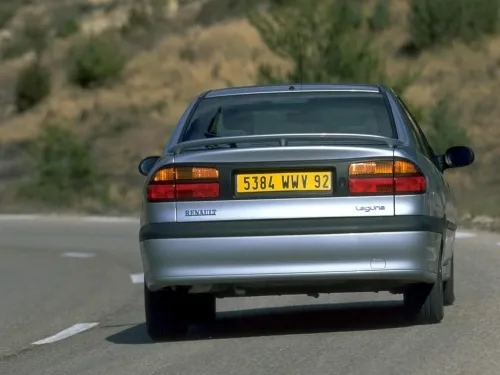
Французские автомобили никогда не котировались на нашем рынке так, как немецкие или японские. Та же участь постигла и героиню нашего рассказа. Продать или купить «живой» автомобиль — не проблема, но много денег за него не выручишь. В среднем цены такие: от $5000 до $9000.
С каталогом подержанных авто вы можете ознакомиться на наших страницах, перейдя в раздел «Б/У авто».
Мнения владельцев
Плюсы | Минусы |
|
|