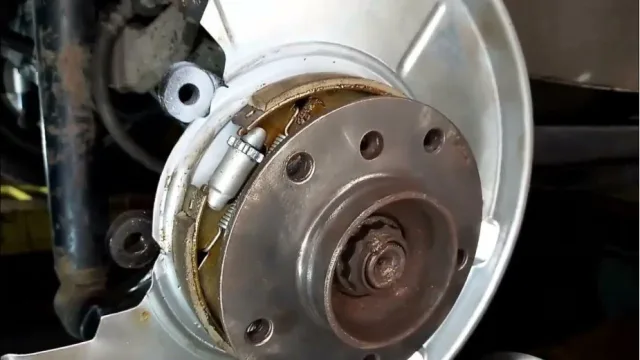
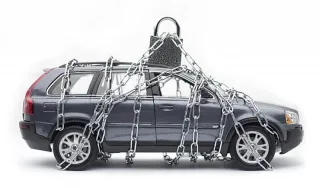
Зимой многие водители сталкиваются с неприятной ситуацией: утром приходишь к машине, заводишь двигатель, пытаешься тронуться - и понимаешь, что авто не двигается. Часто причина в том, что примерзли колодки ручника. Лёд блокирует тормозной механизм, и автомобиль остаётся неподвижным. Разберём подробно, что делать если примерзли колодки ручника и как правильно разморозить систему, не повредив её.
Почему примерзают колодки ручника
Существует несколько причин:
Влага попала в тормозной механизм и при заморозках превратилась в лёд.
Сильный снегопад или оттепель с последующим морозом.
Эксплуатация автомобиля в условиях повышенной влажности.
Использование ручного тормоза в морозную погоду.
Важно понимать: если замерзли колодки ручника - что делать нужно продуманно, иначе можно повредить тормозную систему.
Что делать если примерзли колодки ручника
Не давите на газ. Если колодки примерзли, пробуксовка может повредить тормозные элементы или саму резину.
Проверьте, действительно ли причина в ручнике. Иногда машина не едет по другой причине (например, примерзли колодки основного тормоза).
Попробуйте слегка покачать машину. Если лёд не слишком сильный, автомобиль может сдвинуться с места после небольшого раскачивания вперёд-назад.
Как отогреть колодки ручника:
Запустите двигатель и дайте машине поработать 10-15 минут. Нагрев поможет оттаять льду.
Включите печку на максимум - иногда тепло через воздуховоды частично передаётся и к задним колёсам.
Аккуратно прогрейте тормозной механизм строительным феном (но не открытым огнём!).
Как разморозить колодки ручника в экстренной ситуации:
Можно использовать специальные аэрозоли для разморозки тормозов.
В некоторых случаях помогает обливание горячей водой, но делать это стоит крайне осторожно - из-за перепада температур металл может деформироваться.
Если ничего не помогает. Придётся вызывать эвакуатор или помощь специалистов. Сильное воздействие на систему может обернуться дорогостоящим ремонтом.
Как предотвратить проблему
Чтобы не думать каждое утро, что делать если примерзли колодки ручника, стоит соблюдать простые правила эксплуатации автомобиля зимой:
Не оставляйте авто на ручнике в мороз. Лучше использовать передачу (для механики) или парковочный режим (для автомата).
Периодически прогревайте машину. Это снизит риск замерзания механизмов.
Следите за состоянием колодок и тросов. Изношенные элементы чаще примерзают.
Используйте специальные смазки. Они предотвращают образование льда в узлах тормозной системы.
Вывод
Если замерзли колодки ручника - что делать зависит от ситуации. Главное - не паниковать и не пытаться силой сорвать машину с места. Лучше прогреть авто, использовать специальные средства или вызвать помощь. А чтобы проблема не повторялась, зимой не стоит оставлять машину на ручнике. Таким образом, теперь вы знаете, как отогреть колодки ручника, как разморозить систему и что делать в машине зимой, если она не двигается из-за примерзших тормозов.