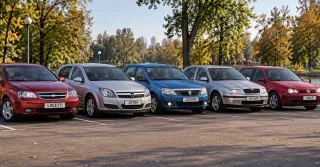
Однако существует и более доступный способ приучить себя к экономии, который не требует вообще никаких вложений. Речь идёт о стиле вождения, направленном на снижение расхода, и, в частности, о распространённом убеждении, что езда на пятой передаче со скоростью 55 км/ч является самой выгодной. Многие считают, что именно такой режим позволяет тратить минимум топлива. Но как же тогда быть с крейсерской скоростью? Именно об этом пойдёт речь в нашем материале, где мы постараемся разобраться, к чему приведёт постоянное движение на пятой передаче при 55 км/ч.
Немного теории
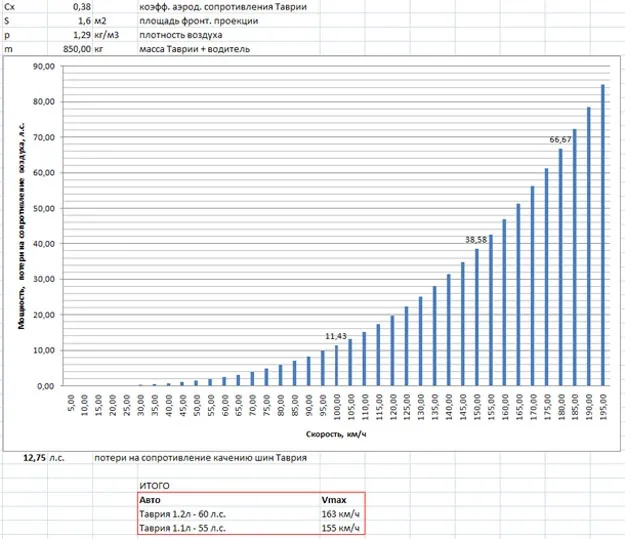
У любого автомобиля есть своя масса, и для того чтобы разогнать его до определённой скорости, требуется энергия. Причём чем интенсивнее разгон, тем больше энергии нужно затратить. Это известно всем. Также не секрет, что при равномерном движении топлива тратится меньше, но здесь многое зависит от аэродинамического сопротивления, которое растёт пропорционально квадрату скорости и направлено встречно движению. А вот мощность, необходимая для преодоления этой силы, увеличивается уже пропорционально кубу скорости. Иными словами, если автомобиль разгоняется с 50 до 100 км/ч (то есть вдвое), то сопротивление воздуха, которое приходится преодолевать, возрастает не в два, а в целых восемь раз! Точнее, для поддержания такой скорости потребуется уже в 8 раз больше энергии. Именно на «расталкивание» воздуха уходят те самые лошадиные силы, которых на 50 км/ч нужно около 30, а на 120 км/ч — уже 130.
Чтобы картина стала яснее, достаточно взглянуть на график, который на примере автомобиля ЗАЗ демонстрирует, как мощность теряется с ростом скорости.
Кроме того, стоит помнить, что максимальный коэффициент полезного действия двигатели достигают в зоне пикового крутящего момента и при минимальных оборотах. Из этого следует, что самый экономичный режим — это движение на высшей передаче с минимально возможной скоростью. Однако в зависимости от типа мотора и передаточных чисел коробки передач, оптимальная скорость на высшей передаче у разных автомобилей может отличаться.
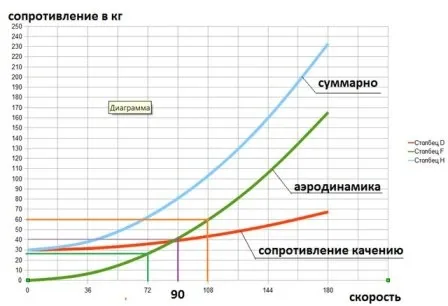
В теории вполне допустимо, что, передвигаясь на пятой передаче (при условии, что их всего пять), можно достичь наименьшего расхода топлива. Но почему же тогда почти все автопроизводители в инструкциях по эксплуатации рекомендуют двигаться по трассе на высшей передаче со скоростью 80–100 км/ч, а не 50–60 км/ч?
Мнение. Моё и неправильное
У каждого человека есть право на собственное мнение по любому вопросу. И о том, на какой передаче и с какой скоростью лучше ездить, знают, как им кажется, практически все водители. Но для того чтобы разрешить этот спор, лучше обратиться к профессионалам, поэтому АвтоПортал попросил прокомментировать ситуацию официального дилера Nissan в Киеве — компанию «КИЙ АВТО».
«Если говорить о движении со скоростью 55 км/ч на высшей передаче, то нужно чётко понимать: двухлитровый двигатель на автомобиле массой в две тонны в таком режиме действительно будет крутиться на низких оборотах. Но из-за большого веса машины он окажется под максимальной нагрузкой. В результате из-за низкого давления масла в блоке цилиндров износ деталей будет максимальным. Поэтому, чтобы избежать чрезмерного износа, для скорости 55 км/ч ему больше подойдёт пониженная передача. В то же время такой же двухлитровый агрегат, но установленный на лёгком хэтчбеке, будет легче справляться с нагрузкой благодаря меньшей массе автомобиля, однако и для него она окажется более критичной, чем, скажем, на четвёртой передаче. Я считаю, что не стоит увлекаться движением на повышенных передачах с небольшой скоростью. Да, чем ниже обороты, тем меньше расход, но при этом на низких оборотах на высшей передаче сильно страдает мотор и может выйти из строя. Так что здесь вопрос приоритета: либо сэкономить 50 гривен на топливе, либо потом отдать 5000 гривен за ремонт двигателя», — считает Сергей Кузмичев, специалист по продажам автомобилей Nissan.
Таким образом, можно сделать вывод, что при движении на пятой передаче со скоростью 55 км/ч действительно удастся добиться минимального расхода топлива, но при этом велик риск повредить двигатель или отдельные его узлы.
Как стать рекордсменом по экономии топлива
Лучше всех на этот вопрос сможет ответить Андрей Сидоренко, автомобильный журналист, автор Национального рекорда топливной экономичности:
«Нужно смотреть на характеристики конкретного двигателя. Например, на Skoda Fabia с мотором 1.4 можно без опасений ехать на пятой передаче при 2000 оборотах и скорости 60 км/ч. Такой режим позволит экономить топливо без ущерба для двигателя. Но всё зависит от профиля дороги (подъёмы и спуски) и степени загрузки автомобиля. Также хочу развеять одно из заблуждений относительно движения с включённым круиз-контролем, когда якобы автомобиль сам выбирает самый экономичный режим. Это справедливо только для ровных горизонтальных участков».
Напомним, что год назад именно Андрей Сидоренко вместе с Геннадием Мазепой проехали на 2-литровом Subaru Forester 489,6 км со средним расходом 5,3 литра, что на 24,6% лучше заводских показателей. Рекордсмены не спешат раскрывать все свои секреты, но утверждают, что одного лишь умения плавно нажимать на педаль газа и реже тормозить, двигаясь с оптимальной скоростью на высшей передаче, недостаточно.
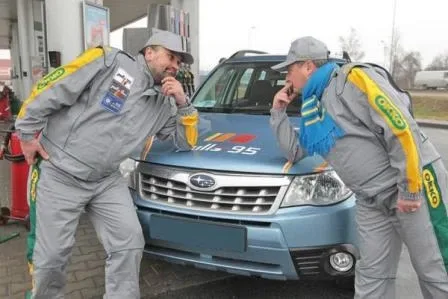
По их словам, главное — сохранять инерцию движения. Поэтому сначала нужно научиться правильно тормозить двигателем и проходить повороты так, чтобы минимально терять скорость. Именно для этого и нужна контраварийная подготовка, специалистом по которой выступил Геннадий Мазепа. Он считает, что рекорды по экономичности под силу каждому, но для этого нужно внимательно следить за оборотами двигателя:
«Количество оборотов играет ключевую роль. При скорости 55 км/ч почти на всех легковых автомобилях обороты будут в районе 1,2–1,4 тысячи. Расход действительно будет очень маленьким, но это фактически убийство деталей кривошипно-шатунного механизма. Низкий расход топлива при нормальной работе двигателя обычно достигается в диапазоне 1800–2000 оборотов в минуту. Для дизельных и турбированных двигателей этот показатель может смещаться в ту или иную сторону в зависимости от конструктивных особенностей».
Как ездить экономно и без вреда для мотора
Компания «Еврокар», которая представляет марку Skoda, — одна из немногих, кто регулярно проводил эконом-ралли, то есть соревнования, где побеждает участник, прошедший маршрут с наименьшим расходом топлива. Организаторы определяли победителей не просто по фактическому расходу и объёму двигателя, а использовали так называемый индекс топливной экономичности (FEI — Fuel Efficiency Index), который представляет собой среднее арифметическое между реальным расходом топлива и расходом на тонну веса автомобиля.
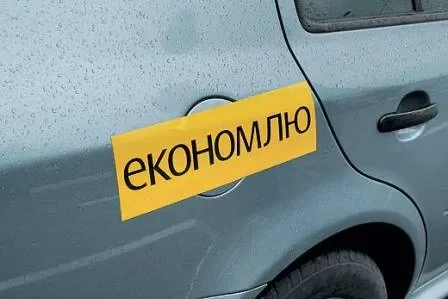
«Еврокар» проводил эти соревнования среди владельцев автомобилей в течение трёх лет. Насколько нам известно из опроса участников, многие во время ралли использовали такие известные приёмы, как максимально плавное движение без резких ускорений и торможений, езда накатом, а некоторые даже глушили двигатель на светофорах и в пробках. При движении с максимальной экономичностью важно правильно подобрать передачу для конкретной скорости и попасть в нужный диапазон оборотов (это зависит от характеристик двигателя). Всегда следует руководствоваться рекомендациями производителя. Сейчас в любом руководстве по эксплуатации автомобиля есть разделы, посвящённые экономичному вождению», — сообщили АвтоПорталу в пресс-службе ООО «Еврокар».
Из всего вышесказанного следует, что прежде чем начать экономить, двигаясь со скоростью 55 км/ч на высшей передаче, стоит изучить разделы «Технические характеристики» и «Экономичная езда» в инструкции. В большинстве случаев там подробно описано, какие обороты оптимальны и какую передачу лучше выбирать для той или иной скорости.
Определение нагрузки на двигатель дедовским методом
Если инструкции по эксплуатации у вас никогда не было, а тахометр в машине не предусмотрен, то для оценки нагрузки на двигатель при движении со скоростью 55 км/ч на пятой передаче можно воспользоваться старым проверенным способом. В этом вопросе стоит прислушаться к мнению специалистов по ремонту двигателей:
«Наверное, вы замечали, что лучше всех об езде на высшей передаче знают таксисты. Они ещё разогнаться толком не успеют, а уже переключаются на пятую. Но опытный таксист отличается от новичка тем, что прислушивается к работе мотора и обращает внимание на детонацию. Если она появляется — он переходит на передачу ниже, набирает скорость и снова включает повышенную. Вот главная рекомендация для тех, кто хочет экономить, не рискуя «убить» двигатель», — считает специалист по ремонту двигателей Анатолий Демченко.
Основные правила
- Езда на пятой передаче со скоростью 55 км/ч может быть безопасной для мотора и экономичной, если обороты двигателя находятся в пределах 1800–2000 об/мин
- Если тахометра нет, ориентироваться нужно на вибрацию и детонацию. Если они присутствуют — двигатель работает под большой нагрузкой, и нужно переключиться на пониженную передачу, а затем снова включить повышенную
- У каждого автомобиля оптимальная скорость для минимального расхода топлива на высшей передаче сугубо индивидуальна
- Слишком раннее включение повышенной передачи в процессе эксплуатации может привести к скорому визиту к мастеру по ремонту двигателей
- Лучше всего для движения со скоростью 55 км/ч на пятой передаче подходят автомобили (в основном малолитражки), у которых коробка передач имеет более короткие ряды, и обороты на 100 км/ч составляют около 2500–3000 об/мин, а при 55–60 км/ч — до 2000 об/мин
- Об оптимальной скорости на высшей передаче для дизельных и турбированных бензиновых моторов лучше детально изучить инструкцию по эксплуатации. Особенности их работы существенно отличаются от атмосферных бензиновых двигателей.
Стоит отметить, что опрошенный нами специалист по ремонту двигателей высказал мнение, что снизить расход топлива можно регулярной мойкой подкапотного пространства. По его словам, чистый двигатель тратит до 5% меньше топлива. Однако ни один из опрошенных нами экспертов по экономичной езде и представителей официальных дилеров это мнение не подтвердил, утверждая, что гораздо важнее чистый радиатор, исправные свечи зажигания и система охлаждения. Замечали ли вы снижение расхода после мойки двигателя, и на какой скорости, передаче и при каких оборотах ваш автомобиль потребляет меньше всего топлива — пишите в комментариях и на страничке АвтоПортала в Facebook, указывая марку, модель и двигатель автомобиля…