Какие функции выполняет моторное масло
Освежим в памяти несколько общеизвестных фактов, которые, впрочем, не всем могут быть знакомы.
Смазка трущихся деталей. Основная задача масла — минимизировать трение между соприкасающимися элементами, тем самым предохраняя мотор от преждевременного износа. Благодаря маслу между подвижными частями формируется тонкий защитный слой, который и обеспечивает снижение трения.
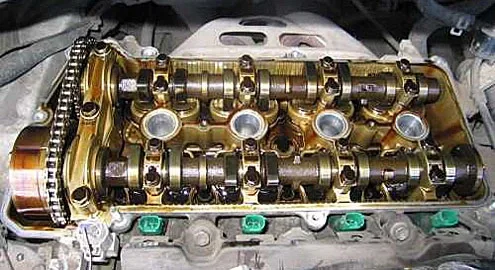
Следует учитывать, что если автомобиль какое-то время простоял, вся смазка стекает в поддон картера. Поэтому в момент пуска мотора и в течение первых мгновений после него двигатель вынужден работать без смазки, пока насос не подаст масло по всей системе. Именно в эти секунды агрегат испытывает максимальные нагрузки.
Вдобавок, на ряде автомобилей с автоматической трансмиссией смазка начинает перемещаться по системе лишь после того, как рычаг АКПП переведен в положение «Драйв». По этой причине прогрев таких авто рекомендуется выполнять именно в этом режиме (детали — в руководстве по эксплуатации).
Отвод тепла. Система охлаждения с радиатором и антифризом, безусловно, выполняет свою задачу, однако масло дополнительно забирает тепло, напрямую омывая зоны контакта деталей. Для повышения эффективности этого процесса отдельные модификации двигателей оснащаются специализированными масляными радиаторами-охладителями.
Антикоррозийная защита. Внутренние компоненты мотора функционируют в весьма агрессивной среде: на них воздействуют высокие температуры, их резкие перепады, а также продукты горения топлива. Специальные присадки и добавки в составе масла способствуют предотвращению коррозионных процессов.
Строго говоря, присадки и добавки — это не одно и то же. Присадки, смешиваясь с базовым маслом, видоизменяют его характеристики, тогда как добавки не меняют существующие свойства, а привносят в состав новые.
Вывод продуктов сгорания и износа. В масле накапливаются отложения от сгорания топлива (сажа, нагар) и неизбежные продукты износа поверхностей, которые трутся друг о друга (металлическая стружка и пыль). Вся эта грязь удаляется из системы вместе со сливом отработанного масла.
Что значит «старение» масла
С течением времени даже в полностью исправном моторе смазочный материал неизбежно стареет: присадки вырабатывают свой ресурс, масло окисляется, в нем накапливаются посторонние загрязнения. Как результат, масло постепенно утрачивает способность выполнять свои ключевые функции.
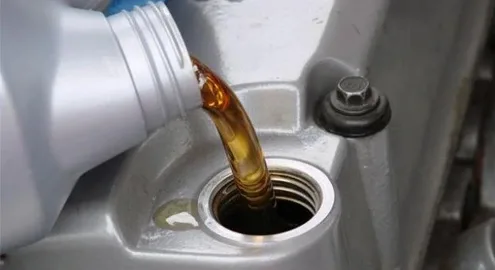
Рано или поздно наступает момент, когда отработавшую смазку необходимо слить вместе со всеми накопившимися продуктами сгорания, отработанными присадками и прочими «отходами жизнедеятельности» двигателя, залив взамен свежую порцию. При этой процедуре нельзя забывать и о замене масляного фильтра — в противном случае скопившаяся в нем грязь немедленно попадет в новое масло.
К чему приводит езда на старом масле:
- снижаются смазывающие характеристики — трение деталей растет, нагрузка на мотор увеличивается, в запущенных случаях возможен «стук» двигателя с последующей необходимостью капитального ремонта. В менее критичной ситуации можно ожидать сокращения ресурса мотора, его перегрева и роста расхода топлива;
- ухудшается теплоотвод — что провоцирует еще более сильный перегрев;
- ослабевает защита от коррозии;
- продукты сгорания и износа оседают внутри двигателя, забивая масляные каналы, что в итоге также чревато капремонтом.
Периодичность замены масла
Регламентный срок замены смазки прописан в руководстве по эксплуатации каждого конкретного автомобиля. Инженеры-конструкторы рассчитывают этот интервал, исходя из особенностей конкретного двигателя и предполагаемых условий его использования. Именно поэтому рекомендации по типу масла, срокам его замены и периодичности техобслуживания могут существенно различаться для разных рынков.
В Украине и России межсервисные интервалы и периодичность замены масла для большинства моделей заметно короче, чем в европейских странах. И это далеко не всегда объясняется желанием сервисных центров заработать — скорее, это объективное признание более тяжелых условий эксплуатации автомобилей в наших широтах.
Более того, не стоит ориентироваться на допуски, заявленные производителями масла — в наших реалиях они не работают. Для обеспечения долгой и стабильной работы двигателя менять масло следует не реже, чем предписывает автопроизводитель.
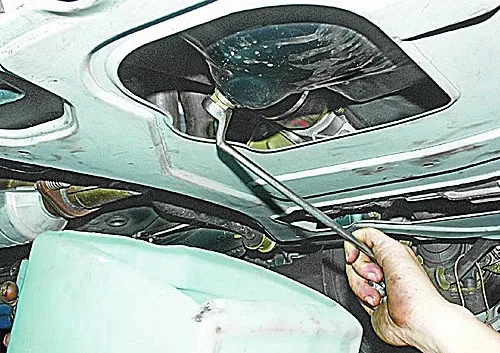
Типовой рекомендованный интервал замены — 10 тысяч километров пробега. Для ряда новых моделей автопроизводитель устанавливает межсервисный пробег в 15 или даже 20 тысяч километров. Это свидетельствует об уверенности завода-изготовителя в надежности своей продукции, а для владельца означает прямую экономию на обслуживании.
Тем не менее, ряд экспертов рекомендует придерживаться интервала именно в 10 тысяч километров — более частая смена масла положительно сказывается на состоянии мотора и позволит автомобилю верой и правдой служить дольше, даже после окончания гарантийного срока.
Если вы немного опоздали с заменой на 1-2 тысячи километров, катастрофы, конечно, не случится. Однако следующую замену стоит провести на эти же самые 1-2 тысячи раньше. А вот перепробег в 4-5 тысяч километров уже крайне пагубно отражается на состоянии двигателя.
На синтетическом масле, возможно, и можно проехать лишние тысячи километров (поговаривают, что некоторые таксисты умудряются ездить без замены по 30-50 тысяч), однако с каждым оборотом коленвала автомобиль неумолимо приближается к дорогостоящему капитальному ремонту.
Резюме
Регламентные сроки замены масла указаны в руководстве по эксплуатации автомобиля, а более частая его смена идет мотору исключительно на пользу.
Задержка с заменой на 1-2 тысячи километров нежелательна, но допустима. Перепробег сверх 4-5 тысяч километров — крайне нежелателен.
Приобретая подержанный автомобиль, разумно сразу же заменить масло.
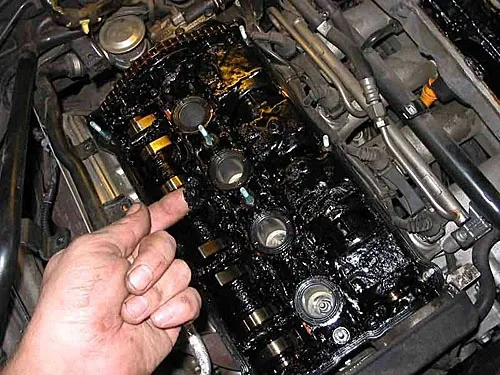
Итог: что будет, если игнорировать сроки замены масла? В оптимистичном сценарии — глубокая промывка с разборкой двигателя, в худшем случае — его полная замена.