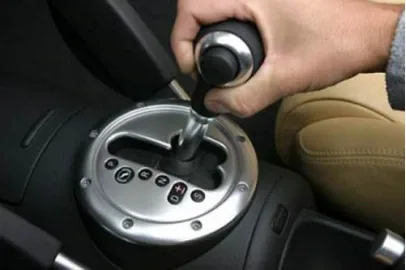
Многие водители задаются вопросом, зачем вообще нужен режим «нейтраль» на машинах с автоматической коробкой передач. Чаще всего его включают, веря в расхожее мнение, что так можно сэкономить горючее. Также рычаг в это положение переводят, подъезжая к светофору или двигаясь на спуске.
Сразу разберемся с мифом об экономии: когда водитель убирает ногу с педали газа, в цилиндры поступает минимальная порция топливной смеси, необходимая для поддержания работы мотора. Поэтому переводить коробку в «нейтраль» ради экономии бессмысленно. Это справедливо не только для «автоматов» — на современных машинах с механической коробкой при движении накатом на «нейтрали» выгоды в расходе тоже нет.
Экономия при езде на «нейтрали» возможна лишь на старых авто с карбюраторным двигателем. С появлением электронных систем управления мотором это утверждение полностью устарело.
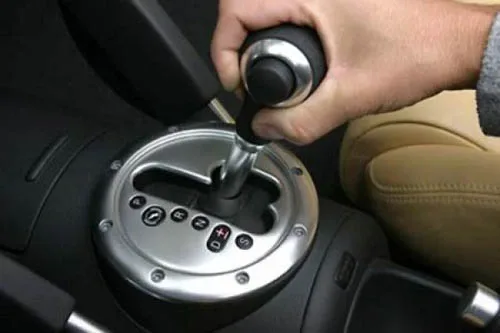
Даже при недолгой остановке, например перед светофором, переключаться в нейтральное положение не стоит. Это приводит лишь к лишним переключениям внутри коробки и сокращает ее рабочий ресурс.
Теперь разберем, как устроена автоматическая трансмиссия.
Коротко об устройстве АКПП
Ранее мы уже рассказывали о принципах работы автоматических коробок в статьях о включении задней передачи на ходу и об одновременном нажатии педалей газа и тормоза, где рассматривали процессы, происходящие при движении. Сейчас остановимся подробнее на том, что случается в коробке-«автомате» в положении «нейтраль».
Напомним, что в такой трансмиссии усилие от силового агрегата через гидротрансформатор — он выполняет роль сцепления — передается на входной вал коробки.
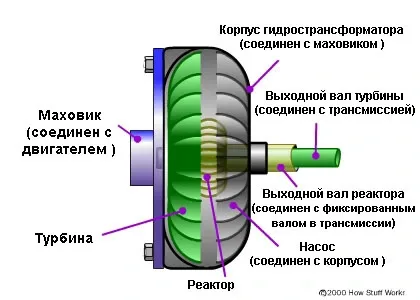
Чтобы получить разные передаточные числа, применяются планетарные механизмы — конструкция из нескольких шестерен-сателлитов, которые вращаются вокруг центральной солнечной шестерни. Передаточное отношение меняется за счет блокировки одних элементов относительно других.
Переключение скоростей (то есть фиксация нужных деталей) выполняет гидравлическая или электронная система управления. Автоматика анализирует информацию от двигателя и выходного вала АКПП и выбирает оптимальную передачу.
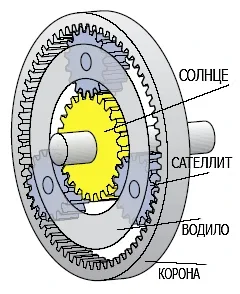
С рычагом выбора режимов соединен клапан, который в зависимости от выбранного положения запрещает включение определенных передач.
Давление масла в системе создает масляный насос. Трансмиссионная жидкость, как и моторное масло, выполняет сразу две задачи: смазывает трущиеся детали и отводит от них лишнее тепло.
АКПП в разрезе (Mercedes):
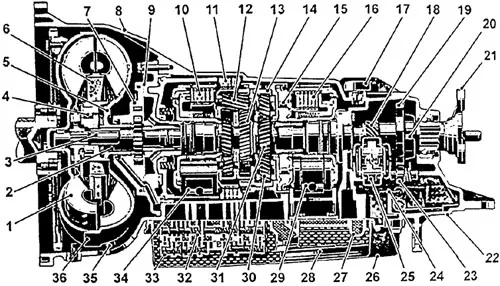
1 - Турбинное колесо гидротрансформатора,
2 - Вал реактора гидротрансформатора,
3 - Ведущий вал,
4 - Обгонная муфта гидротрансформатора,
5 - Ведущий фланец основного насоса,
6 - Реактор,
7 - Основной насос,
8 - Картер АКП,
9 - Передняя крышка,
10 - Муфта К1,
11 - Тормоз ВЗ,
12 - Сателлиты,
13 - Солнечное колесо среднего планетарного ряда,
14 - Эпицикл заднего планетарного ряда,
15 - Муфта свободного хода,
16 - Муфта К2,
17 - Сапун,
18 - Шестерня привода скоростного регулятора,
19 - Шестерня блокировки ведомого вала,
20 - Датчик частоты вращения ведомого вала,
21 - Фланец выходного вала,
22 - Нижняя часть картера,
23 - Собачка механизма блокировки ведомого вала,
24 - Штанга механизма блокировки ведомого вала,
25 - Скоростной регулятор,
26 - Поддон,
27 - Задняя крышка,
28 - Масляный фильтр,
29 - Ленточный тормоз В2,
30 - Сателлиты заднего планетарного ряда,
31 - Солнечное колесо заднего планетарного ряда,
32 - Клапанная коробка,
33 - Крышка клапанной коробки,
34 - Ленточный тормоз В1,
35 - Сливная пробка,
36 - Насосное колесо гидротрансформатора.
Что происходит при включении «нейтрали»
Ключевой момент: когда селектор АКПП переводится в положение «нейтраль», входной вал коробки отсоединяется от выходного вала.
Двигатель при этом работает на холостых оборотах (примерно 700–900 об/мин), а давление в системе смазки коробки падает почти вдвое по сравнению с режимом «драйв».
Блок управления, разумеется, сам выберет передачу, соответствующую текущей скорости движения (хотя возможен вариант включения первой передачи — все зависит от алгоритма, заложенного в программе). Но стоит помнить: при включении «драйва» даже на неподвижной машине чувствуется легкий толчок — это входят в зацепление шестерни.
Если переключиться с «нейтрали» на «драйв» во время движения, то, помимо более заметного удара при соединении шестерен, коробка испытывает повышенную нагрузку — ей приходится синхронизировать скорость вращения валов.
Именно поэтому включать «драйв» рекомендуется только тогда, когда автомобиль полностью остановлен.
Безусловно, разовое переключение рычага на ходу вряд ли приведет к серьезным последствиям. А вот если водитель привык постоянно «играть» селектором, это вполне может стать причиной поломки АКПП. Таким любителям можно посоветовать пересесть на машину с механической коробкой.
Резюме
- «Нейтраль» не дает экономии топлива.
- На «нейтрали» допустимо двигаться лишь на скорости до 40 км/ч. Чем выше скорость, тем быстрее наступит масляное голодание и перегрев коробки.
- Режим «драйв» стоит включать только на неподвижном автомобиле.
- «Нейтраль» предназначена исключительно для буксировки (на дистанцию не более 40 км при скорости до 30–40 км/ч). И использовать ее для других целей водителю не имеет смысла.