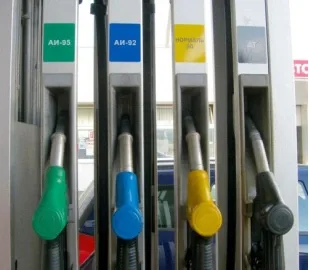
Представляю, что первая реакция на этот вопрос — улыбка. Сразу вспоминаются анекдоты и забавные ролики про водителей, которые уезжают с заправочной колонки вместе с пистолетом в баке. Мужчины, безусловно, заявят, что такая оплошность возможна для кого угодно, но только не для них.
Однако шутки в сторону — подобное действительно случается, и далеко не всегда по вине автомобилиста. Разберем типичные сценарии.
Ваша оплошность, но серьёзных последствий нет
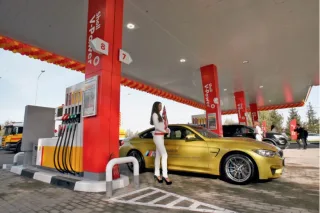
Допустим, вы подъехали к заправке, но персонал был занят другими машинами. Пришлось самостоятельно вставлять пистолет в бак и идти оплачивать.
Нередко водитель садится в авто, запускает двигатель и начинает движение, полагая, что заправщик уже всё сделал. Хорошо, если рядом окажется внимательный человек и окликнет. Если же нет — вы уезжаете, утягивая за собой шланг с пистолетом.
Манера старта у всех разная, и при резком нажатии на педаль газа пистолет может быть вырван с усилием.
Итак, вы тронулись, шланг натянулся, но пистолет в итоге выскочил. Ничего страшного не случилось — он просто упал на землю, а шланг остался на месте. Визуально повреждений не видно.
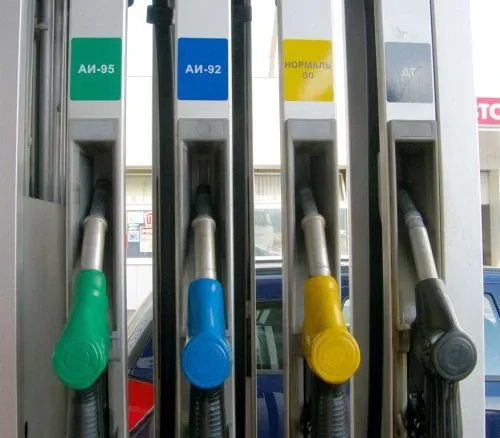
Сразу же соберутся зеваки: от соседей по заправке до администратора. Разумеется, руководство тут же проверит, исправна ли колонка.
В нашем случае всё работает. Если же сотрудники АЗС начинают давить и требовать оплату штрафа, можно смело отстаивать свою правоту. Но только если действительно ничего критичного не произошло.
Если вы чувствуете, что вас пытаются «развести», а в исправности оборудования не уверены, предложите вызвать товароведческую экспертизу. Как правило, если работники заправки понимают, что ничего не добьются, они оставят претензии или сами уладят вопрос.
Ответственность на заправщике
Вас встретил сотрудник, поинтересовался маркой топлива и указал номер колонки. Вы оплатили, вышли из машины и сели обратно, а заправщик в это время, например, отвлекся на другого клиента — мытье стекол или заправку. Невнимательный водитель может решить, что процесс завершен, и тронуться.
Понятно, что в такой ситуации работник АЗС будет стараться переложить вину на вас, ссылаясь на вашу невнимательность.
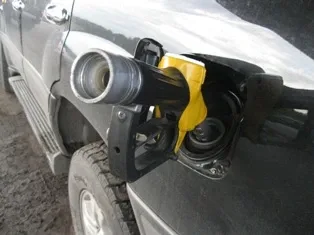
Настаивайте на своем, ведь заправка автомобиля — его прямая обязанность. Если он взялся за обслуживание, то должен довести дело до конца.
На всех современных заправках (особенно в крупных городах) установлены камеры видеонаблюдения. Именно они в спорной ситуации помогут подтвердить вашу правоту.
В разговоре с одним из заправщиков я задал ему вопрос, вынесенный в заголовок, и услышал ответ: если шланг порвется по его вине, платить придется из собственного кармана.
Ваша вина и наличие повреждений
Вот тут начинается самое интересное.
Размер штрафа на разных АЗС может сильно отличаться. Например, в одной из крупных сетей мне назвали вилку от 1500 до 3500 гривен — в зависимости от степени повреждений.
В украинском законодательстве подобного штрафа нет: вопросы порчи имущества и его возмещения должны решаться через суд. Вас просто ставят перед фактом: либо платите, либо будут проблемы.
Убегать бессмысленно — все заправки взаимодействуют с охранными службами, и вас в любом случае найдут и остановят, тем более что запомнить номер машины несложно. А если на камерах зафиксированы ваши действия, могут завести и дело.
Главное, что можно попытаться отстоять, — это снижение суммы штрафа, поскольку для точной оценки ущерба нужна экспертиза (а её никто проводить не будет), так что часто цифра берется «с потолка».
Да, в сумму могут включить и простой колонки, и прочие нюансы, но это не повод безоговорочно с ней соглашаться.
Технические детали
Чтобы защитить топливораздаточную колонку от поломок и обеспечить безопасность людей в ситуациях, когда автомобиль начинает движение с пистолетом в баке, в конструкции используется многоразовая поворотно-разрывная муфта.
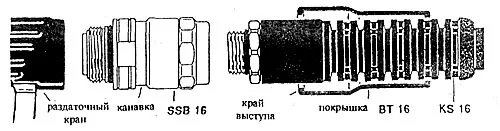
Она устанавливается между пистолетом и рукавом. Муфта разъединяется как при продольном, так и при угловом приложении усилия (примерно 80-120 кг), а встроенный в отрывную часть клапан предотвращает утечку топлива.
После разрыва муфты (если она не пострадала) опытный слесарь за несколько минут вернет её в рабочее состояние. Для этого нужно отключить насос, слить топливо из рукава, осмотреть детали на предмет повреждений, смазать и собрать обратно.
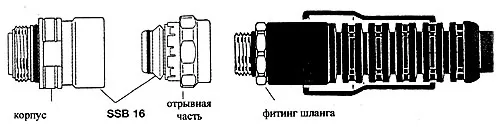
К слову, стоимость такой муфты — около $100 (китайский аналог — ещё дешевле).
Вывод
В любой из описанных ситуаций можно, конечно, прибегнуть к услугам адвокатов и независимых экспертов, но это обойдется недешево. Гораздо разумнее попытаться договориться на месте, ведь неизвестно, что в итоге выгоднее: заплатить штраф или отстаивать свою правоту в суде.