Представьте: вы вернулись из магазина, а ваша машина стоит с открытой дверью, и из салона пропали вещи. Или того хуже — автомобиля на месте вообще нет. Чтобы подобные сценарии не стали реальностью, разберемся, как работают современные охранные системы, насколько им можно доверять и не выбрасываем ли мы деньги на ветер.
Сразу оговоримся: в этом материале мы не будем углубляться в технические детали устройства сигнализаций, а сосредоточимся на общем принципе их действия. В следующих статьях мы детальнее рассмотрим кодграбберы и внутреннее устройство охранных комплексов.
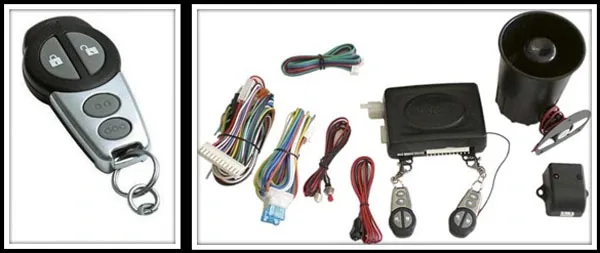
Любая сигнализация включает в себя следующий базовый набор элементов:
• реле блокировки;
• реле запуска;
• датчик удара;
• светодиод;
• сирена;
• датчик изменения объема;
• коммуникационные провода;
• брелок-коммуникатор
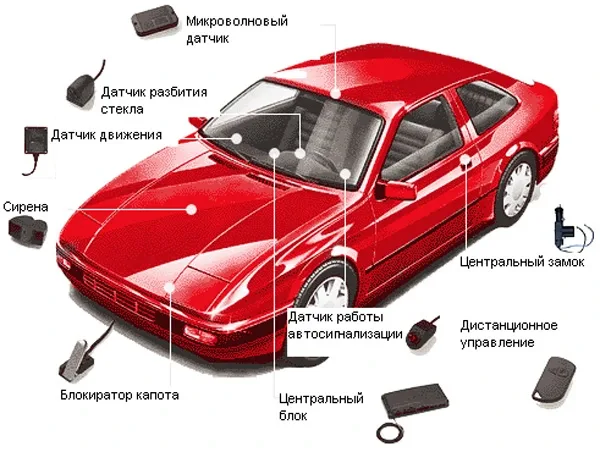
Центральный блок отвечает за запуск двигателя и управление постановкой/снятием автомобиля с охраны.
Датчик удара (шок-сенсор) срабатывает на механические воздействия, такие как удары или тряска кузова.
Датчик изменения объема подключается к разъему шок-сенсора и реагирует на колебания воздуха в салоне. Стоит отметить, что в базовую комплектацию многих сигнализаций этот датчик не входит.
Сирена — устройство, которое не нуждается в представлении, и присутствует в любой охранной системе.
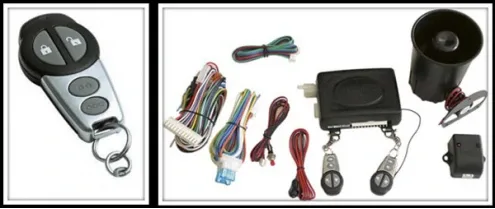
Брелок-коммуникатор — это, по сути, пульт дистанционного управления. Современные модели предлагают широкий набор программируемых функций, зависящих от конкретной модели. Связь между брелком и центральным блоком осуществляется по радиоканалу с использованием кодированного сигнала. Именно этот аспект для нас наиболее важен. Если получить доступ к радиоканалу и расшифровать код, можно получить контроль над сигнализацией. Но об этом мы поговорим позже.
Нередко вместе с сигнализацией устанавливают и дополнительные системы блокировки двигателя.
Как работает охранная система
Сразу уточним: мы предоставляем общую информацию о принципах работы охранных систем, объясняя все простыми словами. Прочитав этот материал, вы не сможете взломать чужой автомобиль, впрочем, и свой тоже. Однако эти базовые знания помогут вам сделать осознанный выбор при покупке сигнализации.
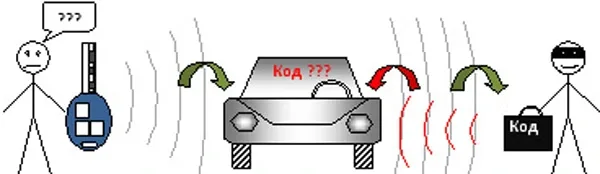
Брелок радио сигнализации работает на частоте 433,92 МГц. Каждая сигнализация имеет уникальный код, который используется для распознавания брелока.
Этот вариант является наименее защищенным от взлома. Чтобы проникнуть в автомобиль с такой системой, достаточно перехватить радиосигнал с брелока и записать его. Сделать это без специального оборудования невозможно. Поэтому злоумышленники используют либо сканеры, либо кодграбберы.
Сканер — это устройство, которое перебирает и воспроизводит коды в формате конкретной сигнализации. Однако многие современные системы защищены от сканирования. В них заложен тайм-аут после ввода неверного кода, который блокирует дальнейшие попытки. Снять блокировку можно только многократной передачей правильного кода. В этом случае сканер становится бесполезным, и преступникам приходится использовать кодграббер.
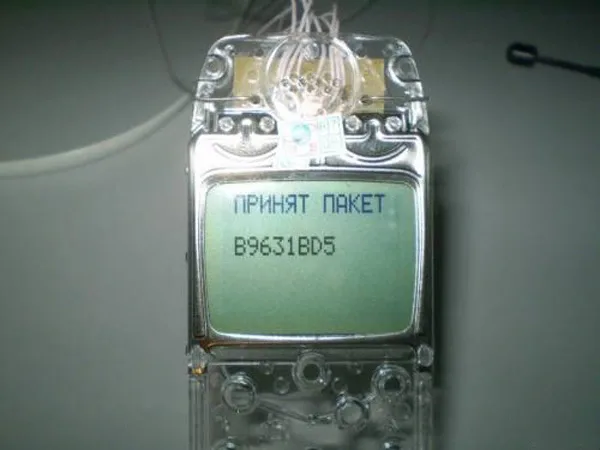
Однако системы антисканирования не защищены от перехвата сигнала из эфира. Достаточно в момент, когда владелец ставит машину на охрану, принять и записать сигнал с кодом. Для этого используется устройство, называемое кодграббером. Оно работает как радиоприемник на частоте брелока. После записи кода устройство переключается в режим передатчика и отправляет сигнал для разблокировки автомобиля.
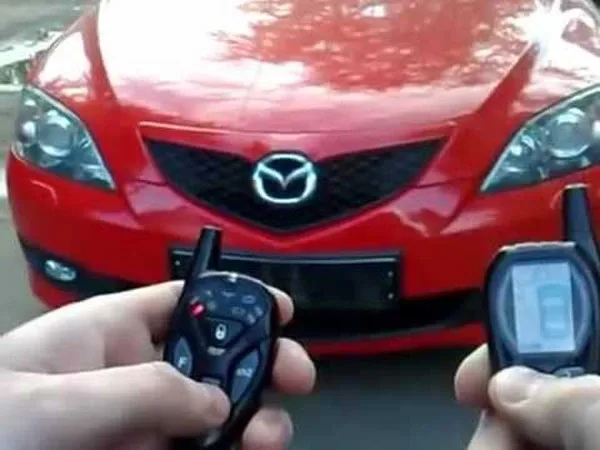
Как защититься от кодграббера?
Производители сигнализаций внедрили в кодирование сигнала алгоритм смены кода, который называется динамическим. При каждом нажатии кнопки на брелке код меняется, что делает использование кодграбберов бессмысленным. Записанный ранее код не сработает, поскольку он уже устарел и недействителен.
Наиболее распространенные системы используют кодирующие/декодирующие ключи с 64-битовой комбинацией. Код формируется на основе серийного номера и 64-битового ключа. Ключ никогда не передается в эфир и хранится в памяти устройства. В сигнале брелока и в памяти сигнализации содержатся одинаковые коды-идентификаторы, которые записываются при программировании брелоков. Каждый такой идентификатор уникален и вшивается при производстве. Даже если злоумышленник будет перехватывать радиосигнал, у него ничего не выйдет, поскольку каждый раз сигнал будет новым.
Чтобы читателям было проще понять принцип работы системы с плавающим кодом и индивидуальным ключом, объясним это на бытовом примере.
Представим, что ключ кода — это книга. Например, «Незнайка на Луне». Нам нужно передать закодированный сигнал в виде последовательности цифр от одного источника к другому. Заменим цифры от 0 до 9 первыми десятью буквами русского алфавита (от А до К, исключая Ё и Й). Так, А — это 1, Б — 2 и так далее. Передаем идентификатор из четырех цифр, например, 2233, который в буквенном виде выглядит как ББВВ. Открываем книгу и ищем слово, начинающееся с буквы Б. Находим его на десятой странице, в третьей строке, и это слово — БОЛЬШОЙ. Записываем его координаты: 010003005.
Это лишь первая буква кода. Для второй цифры мы ищем слово на другой странице и в другой строке и так далее. Закодировав идентификатор, мы передаем последовательность цифр другому источнику. Он, имея такую же книгу (ключ), расшифровывает информацию в обратном порядке. Если кто-то перехватит данные во время передачи, он получит лишь набор несвязанных цифр. Без ключа (книги) расшифровать послание невозможно.

Логичный вопрос: «А если попытаться украсть книгу и расшифровать код?». Теоретически это возможно, но если книга хранится в сейфе, доступ к которому ограничен, задача становится крайне сложной.
В случае с сигнализациями все еще сложнее. Каждая последующая копия одной и той же модели имеет свой уникальный ключ. Например, на одном комплекте брелоков используется книга «Незнайка на Луне», на другом — «Война и мир», на третьем — что-то другое. Даже если преступники купят аналогичную систему и взломают ключ, он не подойдет к вашему автомобилю.
Вывод очевиден: лучшая защита от сканеров и кодграбберов — это современные сигнализации с динамически плавающим кодом. Они действительно практически не оставляют шансов технически подкованным угонщикам.
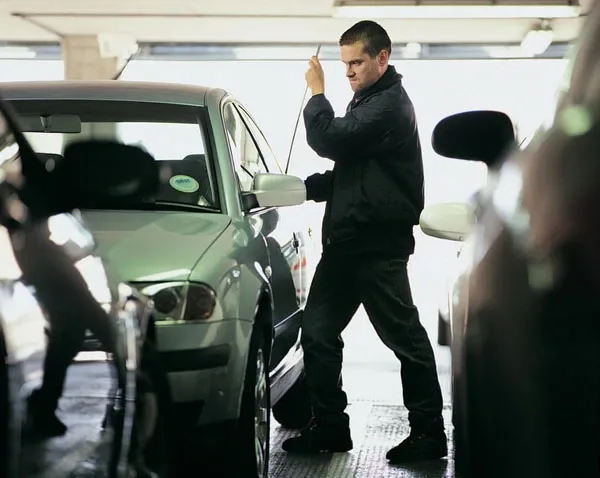
Казалось бы, защита стопроцентная, но есть нюансы. Сигнализация хорошо защищает от салонных воришек, но не всегда может предотвратить угон. Некоторые похитители подавляют сигнал брелока специальным генератором «белого шума», то есть просто глушат его. Владелец думает, что в брелке села батарейка, и машина остается без охраны. Дальше все зависит от того, где находится автомобиль. Его открывают отмычкой и проникают в салон. Самые дерзкие угонщики могут даже не отключать сигнализацию: они просто разбивают стекло и забирают все ценное.
Что касается кодграбберов, мы пытались приобрести их в интернете, но продавцы требовали реквизиты компании и объяснения целей использования. Цены на такие устройства варьируются от $1000 до $4500. Однако купить их не так просто: нужна собственная станция техобслуживания или другая компания, которой кодграбберы могут понадобиться в экстренных ситуациях. В сети можно найти и самодельные сканеры, но видео об их «чудесных возможностях» сильно преувеличены. Если вы решили купить сигнализацию, выбирайте только модели с плавающим кодом. В противном случае, деньги будут потрачены впустую.
В следующей статье мы пообщаемся со специалистом по установке сигнализаций, а также попробуем раздобыть рассказ автоугонщика. Следите за нашими публикациями!