Как открутить шкив генератора без спец ключа — практическое руководство?
Anna Tkach
AutoPortal editorial team
1,486 views
2 min read
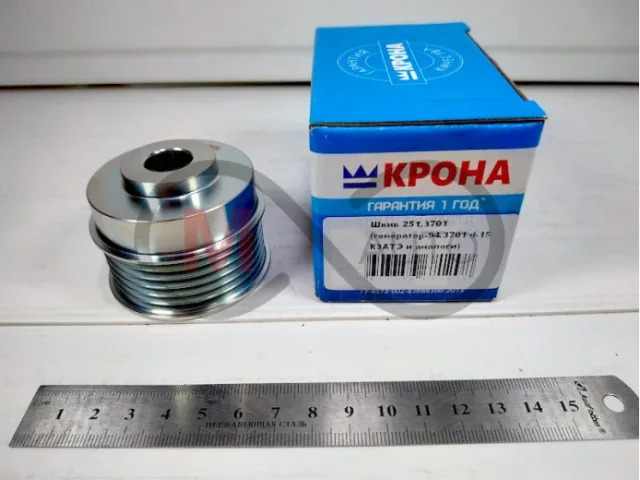
Если нужно как открутить шкив генератора без спец ключа, ниже - рабочие способы для разных машин (ВАЗ, Рено, Toyota) и советы по безопасности. Статья ориентирована на случаи, когда под рукой нет съемника или фирменного ключа.
Общие принципы и предупреждение
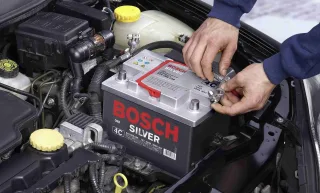
Прежде чем начать: отключите клемму аккумулятора, снимите ремень привода и при возможности демонтируйте генератор - это упростит задачу и снизит риск повредить машину. Работы проводите в перчатках и защитных очках. На генераторах с обгонной муфтой (обгонная муфта) аккуратно действуйте - агрессивные методы могут испортить муфту.
Инструменты и импровизированные аналоги
Гаечный ключ/трещотка с длинной трубой (рычаг);
Молоток и керн/пристук (аккуратно);
Струбцина или ременная лента (ремень для подъёма) как временная «обвязка» (strap-wrench);
Два маленьких болта/шпильки для самодельного съемника (если на шкиве есть резьбовые отверстия);
Тиски и деревянные прокладки (если сняли генератор).
Метод 1 - удержание ротора простым способом
Снимите генератор или постарайтесь получить доступ к гайке шкива.
Сбалансированно зафиксируйте ротор: через вентиляционные отверстия ротора можно аккуратно вставить отвертку, чтобы удержать его от проворачивания (делайте это ТОЛЬКО при снятом ремне и отключённом АКБ).
Ключом открутите гайку шкива против часовой стрелки. Для прилива сил используйте длинную трещотку или «трубу-удлинитель».
Важно: на генераторах с обгонной муфтой удержание ротора отверткой чревато повреждением - применяйте аккуратно или лучше снять генератор и зажать в тисках.
Метод 2 - самодельный съемник (если есть резьбовые отверстия)
Если в шкиве есть крепёжные отверстия - вкрутите равномерно два или три болта и попеременно закручивайте их, вытягивая шкив.
Вытяжение выполняйте равномерно, поочерёдно подкручивая каждый болт. Этот способ близок к штатному съемнику и безопаснее «колотья».
Метод 3 - использование струбцины / ременной обвязки
Обвяжите шкив ремнём или лентой (strap-wrench), зажмите струбциной.
Получившийся рычаг позволяет удержать шкив при откручивании гайки. Подходит, когда нет доступа к отвертке для ротора.
Для конкретных моделей
ВАЗ 2110 - чаще всего достаточно демонтировать генератор и зажать его в тисках с деревянными прокладками; затем снять шкив обычным способом.
ВАЗ 2106 - старые генераторы проще «держать» отверткой через вентиляцию и откручивать гайку; но следите за износом резьбы.
Рено Кенго (Renault Kangoo) - рекомендуем снимать генератор целиком: пространство тесное, и удобнее работать на верстаке.
Toyota Camry - на современных моделях часто применяются шкивы с обгонной муфтой; не пытайтесь сорвать муфту молотком - лучше снять и воспользоваться тисками либо специализированным съемником.
Что делать, если шкив «прикипел»
Нанесите проникающую смазку и дайте ей подействовать несколько часов.
Лёгкий нагрев корпуса у основания шкива (тепловая пушка) поможет ослабить соединение - не нагревайте абразивно и не допускайте перегрева пластиковых частей.
Удары по шкиву молотком по окружности иногда помогают освободить его, но делайте аккуратно.
Когда лучше не экспериментировать
Если в шкиве обгонная муфта или если вы боитесь повредить генератор - лучше обратиться к мастеру или использовать настоящий съемник. Иногда экономия на инструменте обходится дороже замены генератора или шкива.