Почему скрипит щетка стеклоочистителя и что делать?
Anna Tkach
AutoPortal editorial team
934 views
2 min read
Многие водители сталкиваются с неприятной ситуацией: включаешь дворники в дождь, а вместо ровного движения слышен громкий скрип. Звук раздражает, а иногда и мешает сосредоточиться на дороге. Давайте разберёмся, почему скрипит щетка стеклоочистителя и что делать в такой ситуации.
Основные причины скрипа щеток стеклоочистителя
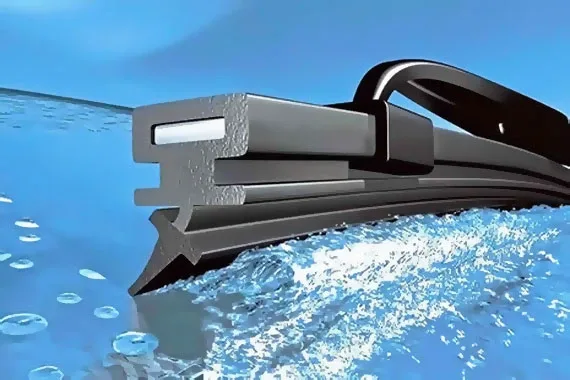
Износ резины щетки Со временем резиновая кромка теряет эластичность, становится жёсткой и перестает плотно прилегать к стеклу. В результате появляется характерный скрип и полосы.
Грязь и пыль на стекле Если на стекле остаются частицы песка или дорожная пыль, щетка скользит неровно, издавая скрипящие звуки. Это наиболее распространённая причина.
Некачественная жидкость для омывателя Если в бачке залита вода или дешёвая жидкость, она не смазывает поверхность должным образом. В итоге щетка «прыгает» по стеклу и скрипит.
Неправильный угол установки щетки Иногда поводок стеклоочистителя стоит под неправильным углом, и резина идёт не всей плоскостью, а боковой частью. Это вызывает шум и неравномерное очищение.
Мороз или жара На холоде резина дубеет и становится жесткой, а в жару может наоборот размягчаться и деформироваться. В обоих случаях появляется неприятный звук.
Низкое качество самих щеток Дешёвые модели из жесткой резины или пластика изначально склонны к скрипу, особенно на скорости.
Что делать, если скрипит щетка стеклоочистителя
Почистить стекло и щетки
Вымойте лобовое стекло с автошампунем.
Протрите резиновую кромку щетки мягкой тканью с мыльным раствором или спиртом. Это простое действие часто полностью убирает скрип.
Проверить жидкость омывателя Используйте качественную зимнюю или летнюю жидкость. Она помогает смазывать поверхность и уменьшает трение.
Смазка резины Можно обработать щетки силиконовой смазкой. Она восстанавливает эластичность и убирает посторонние звуки.
Регулировка угла дворников Если заметили, что щетка движется неровно или изгибается - проверьте пружину поводка и угол прижима. Иногда достаточно слегка подогнуть рычаг.
Замена щеток Если резина старая, потрескавшаяся или дворники служат больше года, лучше всего заменить их. Новые щетки решают проблему в 90% случаев.
Сезонный уход Зимой не включайте дворники по замерзшему стеклу - это портит кромку. Летом не оставляйте их надолго под прямым солнцем.
Особые случаи
Скрипит щетка стеклоочистителя только в одну сторону - скорее всего, резина износилась неравномерно или дворник стоит под неправильным углом.
Скрип при новой щетке - часто проблема в заводской смазке, достаточно протереть резину спиртом.
Скрипит даже после замены - возможно, дело в состоянии стекла (микротрещины, налет). Иногда помогает полировка.
Итог
Если у вас скрипит щетка стеклоочистителя, причины могут быть разные: от банальной грязи до изношенной резины. Начните с простого - помойте стекло и сами щетки, проверьте жидкость омывателя. Если это не помогает - скорее всего, пришло время замены. Регулярный уход за дворниками обеспечит хорошую видимость и избавит вас от раздражающего скрипа.