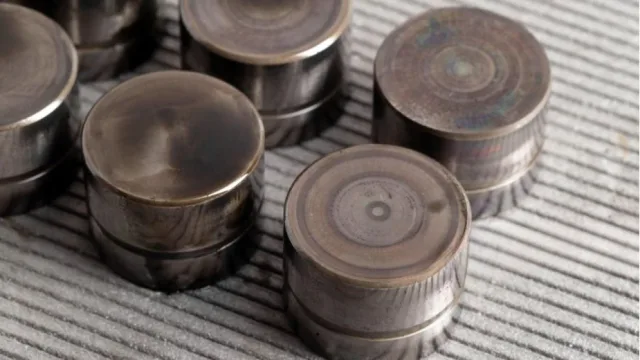
Стук под капотом всегда вызывает тревогу у автовладельцев. Одной из самых распространённых причин посторонних звуков является гидрокомпенсатор. Эти элементы находятся в газораспределительном механизме и автоматически регулируют тепловой зазор клапанов. Когда стучит гидрокомпенсатор, мотор начинает работать громче, появляются характерные металлические щелчки. Важно понять, почему так происходит и как определить, какой гидрокомпенсатор стучит, чтобы вовремя устранить неисправность.
Почему стучит гидрокомпенсатор на холодную
Часто автовладельцы замечают, что именно утром или после долгой стоянки стучит гидрокомпенсатор на холодную. Это связано с тем, что масло за время простоя уходит из внутренних каналов. После запуска мотор работает «всухую» несколько секунд, пока система смазки не создаст давление. Если масло густое или потеряло свойства, то шум может держаться дольше.
Почему стучит гидрокомпенсатор на горячую
Иногда проблема проявляется наоборот - стучит гидрокомпенсатор на горячую. В этом случае масло при нагреве становится слишком жидким и не обеспечивает нужного давления. Также причиной может быть износ самих компенсаторов или загрязнение их внутренних каналов. Такой стук более опасен, так как говорит о серьёзных неполадках, требующих проверки.
Как стучит гидрокомпенсатор
По звуку можно примерно понять характер неисправности. Обычно гидрокомпенсатор стучит короткими металлическими щелчками, которые увеличиваются при наборе оборотов. Иногда звук исчезает через минуту после запуска - это вариант нормы на холодную. Но если он остаётся дольше или появляется на горячем двигателе, то это уже повод для диагностики.
Как определить, какой гидрокомпенсатор стучит
Автовладельцы часто задаются вопросом: как определить, какой гидрокомпенсатор стучит. Сделать это можно с помощью стетоскопа или обычной отвёртки, прикладывая её к корпусу двигателя. По характеру и месту звука можно локализовать неисправный элемент. В условиях сервиса дополнительно применяют разборку и проверку давления масла.
Фольксваген Поло стучит гидрокомпенсатор
Владельцы иномарок тоже сталкиваются с этой проблемой. Например, нередко можно услышать жалобы, что Фольксваген Поло стучит гидрокомпенсатор. Здесь причина чаще всего кроется в качестве масла и интервалах замены. Для немецких двигателей особенно важно использовать рекомендованную вязкость и не экономить на фильтрах.
Что делать, если гидрокомпенсатор стучит
Если гидрокомпенсатор стучит регулярно, стоит проверить несколько моментов:
уровень и качество масла в двигателе;
своевременность его замены;
работу масляного насоса;
наличие загрязнений в системе смазки.
Иногда помогает промывка или замена масла на более качественное. Но если износ механический, то единственным решением остаётся замена неисправного элемента.
Итоги
Теперь вы знаете, почему стучит гидрокомпенсатор на холодную и что делать, если стучит гидрокомпенсатор на горячую. Также важно понимать, как стучит гидрокомпенсатор и как определить, какой гидрокомпенсатор стучит, чтобы не тратить время на лишний ремонт. Если же шум появился на вашем автомобиле, будь то отечественная машина или Фольксваген, не откладывайте диагностику. Своевременное устранение проблемы продлит срок службы двигателя и избавит вас от дорогостоящего ремонта.