Одна из частых зимних неприятностей — ледяная пробка в бачке омывателя. Как и с заменой шин на зимние, здесь важна подготовка, но по разным причинам многие тянут до последнего. Случается и так, что даже специальная жидкость не выдерживает мороза. Как поступить в такой ситуации?
Вот 10 способов отогреть систему омыва стёкол:
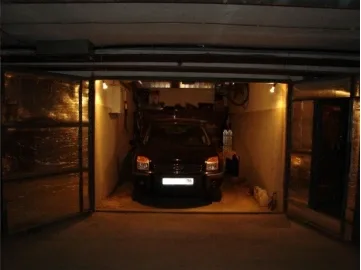
1) Проще всего — загнать машину в тёплый гараж или на подземную парковку, лучше на всю ночь. За это время система, скорее всего, оттает сама.
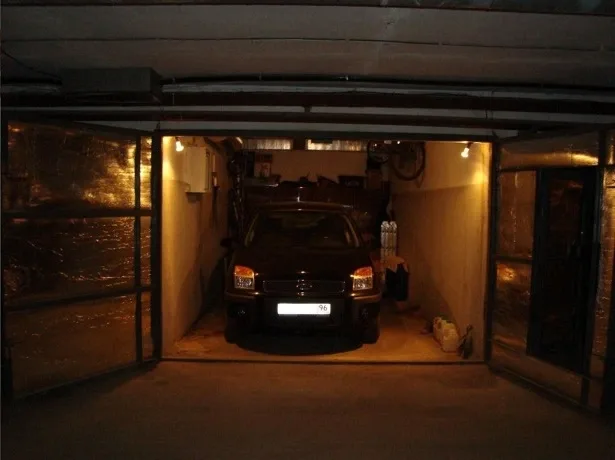
2) Если автомобиль уже стоит в тепле, полезно дать двигателю поработать на холостых — так подкапотное пространство прогреется быстрее, и лёд растает скорее.

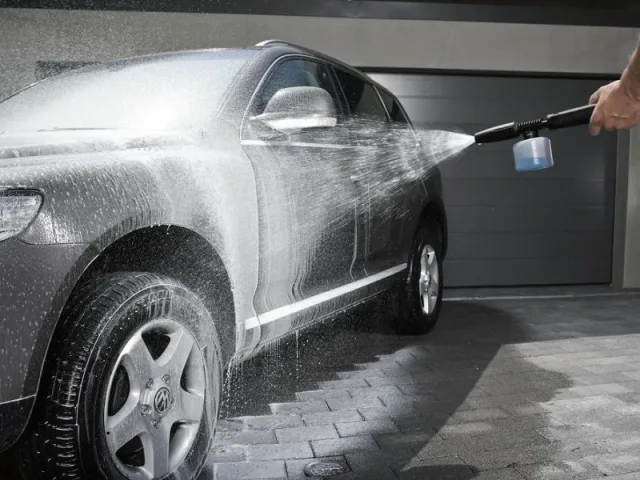
3) Когда тёплого помещения нет, можно обратиться на мойку. Лучше заказывать полный пакет услуг — так шансов на успех больше. На некоторых мойках есть и специальная услуга: в бачок под давлением заливают горячую воду. Цена вопроса — от 200 до 500 гривен в зависимости от того, насколько сильно всё замёрзло. Ждать придётся до двух часов.
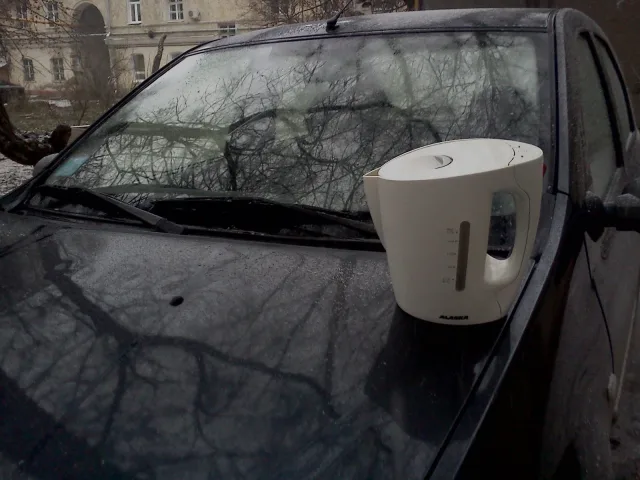
4) Если бачок заполнен не до верха, можно просто долить в него кипятка. Дальше нужно немного подождать и попробовать включить омыватель.
5) Ещё один рабочий вариант — подогреть саму омывающую жидкость. Речь не о том, чтобы греть её на плите. В дорожных условиях можно поступить иначе: завести мотор, дать ему прогреться, затем открыть капот и поставить канистру с жидкостью на двигатель минут на 20–30. После этого залить её в бачок.
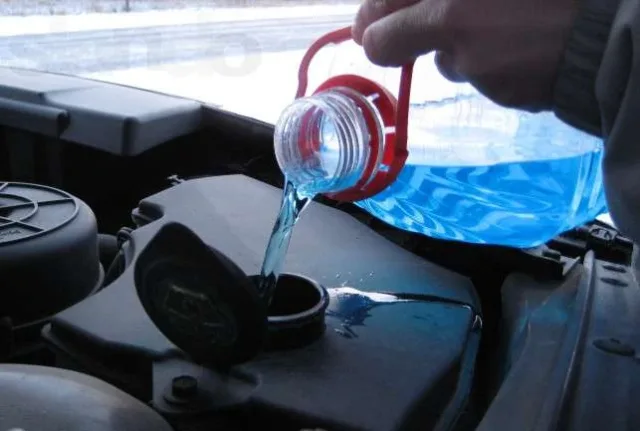
6) Неплохо работает концентрат — его даже греть не нужно. Достаточно купить состав с максимальной морозостойкостью и добавить в бачок. Останется подождать. А можно сделать ещё эффективнее: смешать концентрат с кипятком. Тогда и с подогревом возиться не придётся, и результат будет гарантированным. Сначала наливается кипяток, затем — концентрат.
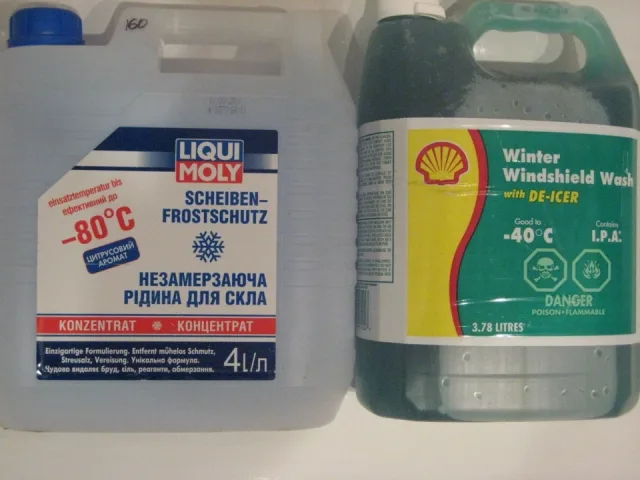
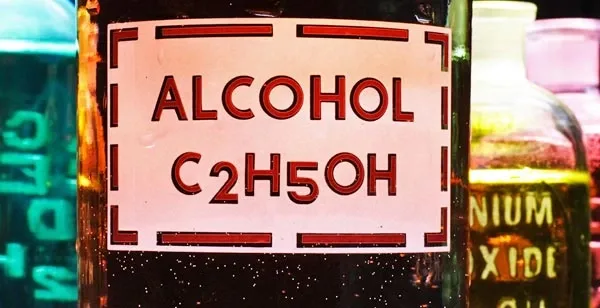
7) Многие водители советуют водку, а ещё лучше — спирт. Важно понимать: пить это не нужно, а нужно залить в бачок. Правда, есть нюанс: если вас остановит инспектор ГАИ, он может попросить «дыхнуть в трубочку».
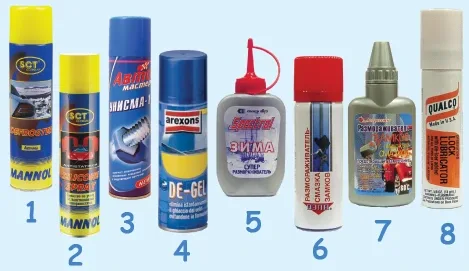
8) Хорошо помогает средство для размораживания стёкол или замков. Обычно оно продаётся в баллончике с трубкой-насадкой. Нужно найти место, где соединяются шланги омывателя, разъединить их и впрыснуть туда «антиразморозку». Примерно через 15–20 минут система должна ожить.
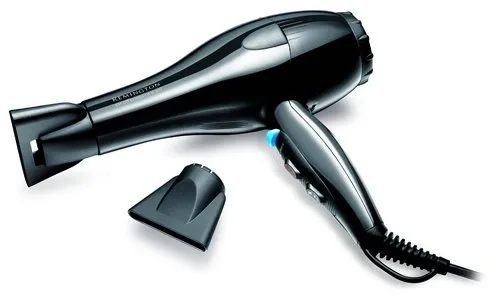
9) Звучит необычно, но для этой цели подойдёт и обычный фен. Достаточно включить его в розетку и прогревать бачок со шлангами.
10) А вот если бачок залит под завязку, лучше ничего не предпринимать наобум. Не стоит пытаться пробить лёд чем-то тяжёлым или сверлить его — можно нечаянно повредить бачок и вывести всю систему из строя. В этом случае остаётся только тёплое помещение или мойка — сами виноваты.
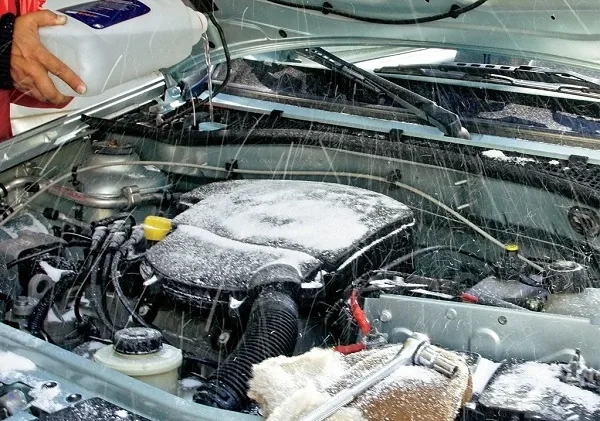
Как слить жидкость из бачка омывателя
Допустим, жидкость вы слили. Но если она замёрзла, уже неважно, что там было — вода или специальный состав. В любом случае её нужно удалить и залить новую, морозостойкую.
Читатели не раз спрашивали нас, как это сделать. Можно, конечно, снять бачок, но такое подойдёт не каждому. Поэтому расскажем о самом простом и быстром способе решить эту проблему:
Подводим итоги
При выборе незамерзающей жидкости мы советуем не гнаться за дешевизной. Во-первых, в недорогих составах могут быть вещества, опасные для здоровья. Во-вторых, «незамерзайка» сомнительного происхождения может просто не выдержать сильных морозов. В-третьих, разводя концентрат, строго соблюдайте пропорции, указанные в инструкции, а не лейте воду на глаз. Если следовать этим нехитрым правилам, все вышеперечисленные советы вам не понадобятся. И ещё один совет: не дожидайтесь снегопадов и морозов под 30 градусов, а заранее почитайте материалы о подготовке автомобиля к зиме. Также полезно посмотреть видеоуроки по вождению в зимних условиях.