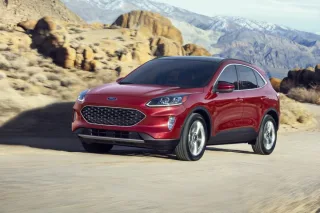
- на жесткой сцепке;
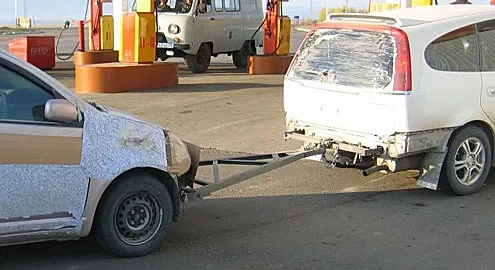
- на гибкой сцепке;
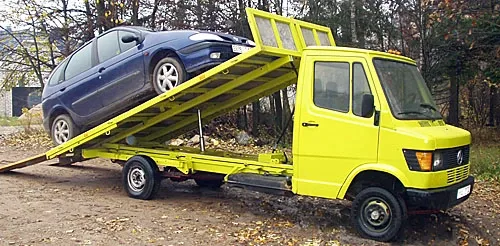
- с частичной погрузкой (если машина погружена полностью, это уже считается транспортировкой).
К частичной погрузке прибегают, когда нужно эвакуировать авто с неисправным рулевым управлением, а также в случае с машинами, оснащенными автоматической трансмиссией — для них такой метод более щадящий.
Согласно правилам дорожного движения:
- у тягача должны быть включены фары ближнего света;
- на буксируемом авто обязательно должна работать аварийная сигнализация;
- двигаться при буксировке нужно со скоростью не выше 50 км/ч;
- длина жесткой сцепки не должна превышать 4 м;
- длина гибкой сцепки должна быть в пределах 4-6 м (при этом через каждый метр на ней должны быть закреплены сигнальные щитки или флажки размером 200х200 мм с диагональными полосами красного и белого цвета шириной 50 мм, которые чередуются);
Если буксировка происходит на гибкой сцепке, у ведомого авто должны исправно работать тормоза и рулевое управление. При использовании жесткой сцепки достаточно исправного руля. В обоих случаях за рулем буксируемого авто должен находиться водитель, а в салоне могут ехать пассажиры (это правило касается только легковых автомобилей).
Когда используется частичная погрузка, в салоне буксируемого авто никого быть не должно: ни водителю, ни пассажирам находиться там нельзя.
Буксировка не разрешается:
- на гибкой сцепке при гололеде или на горных дорогах,
- в гололед на горных трассах,
- если масса буксируемого авто с неисправной тормозной системой превышает половину массы тягача,
- если общая длина сцепленных машин больше 22 м (для маршрутных транспортных средств — 30 м),
- нельзя буксировать сразу два автомобиля или авто с прицепом,
- запрещено буксировать автобусам.
Подготовка к буксировке
Чаще всего легковые автомобили буксируют именно на гибкой сцепке, поэтому стоит рассмотреть этот способ детальнее.
Трос. Трос должен быть прочным и без каких-либо дефектов. Никаких надрывов, трещин и прочих повреждений быть не должно. Слабые места у троса — это места соединения с крюком (включая сварные кольца из металла), а также узлы крепления, швы и сами крюки.
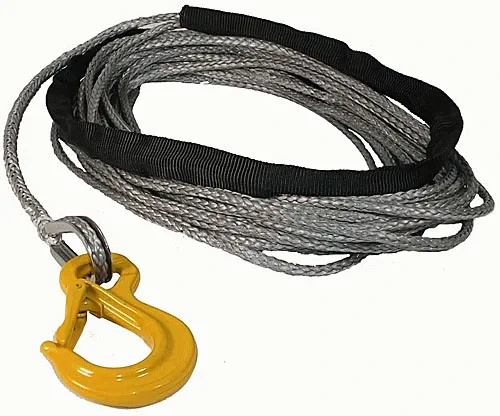
Особенно осторожным нужно быть с плоскими крюками, сделанными из листовой стали — они могут разогнуться в самый неподходящий момент. Лучше, чтобы крюк был оснащен надежной защелкой.
Хорошо зарекомендовали себя ленточные тросы с цельными крюками, без сварных соединительных колец.
Металлические тросы при обрыве могут нанести серьезный ущерб автомобилю (а если крепление очень надежное — даже вырвать проушину).
В бытовых условиях проверить надежность троса можно только на практике — то есть直接用 его по назначению. Поэтому главным показателем качества остается цена: тросы дешевле 100 грн. могут просто не справиться с задачей.
Крепление троса. Лучше всего крепить трос по диагонали: правый задний угол тягача — левый передний угол ведомого авто, или наоборот (левый задний — правый передний). Это поможет сгладить рывки и сделает сцепку надежнее.

Перед началом движения. Водителям нужно заранее договориться о скорости и о том, как они будут общаться друг с другом. Например:
- моргание фарами на буксируемом авто — сигнал остановиться;
- звуковой сигнал — привлечение внимания;
- поворотники — предупреждение о маневрах;
- несколько коротких нажатий на тормоз у ведущего авто — предупреждение о том, что сейчас будет торможение;
- и так далее.
Процесс буксировки
Напоминаем: у тягача должны быть включены ближний свет фар, а на буксируемом авто — «аварийка».
Начало движения. Трогаться и натягивать трос нужно максимально плавно. Если дернуть резко, можно порвать трос, сломать буксировочный кронштейн или даже заглохнуть, а также повредить подвеску.
Движение. Скорость — не больше 50 км/ч. Трос всегда должен быть натянут, даже на поворотах — за этим в первую очередь следит водитель буксируемого авто.
Разгоняться и тормозить нужно плавно, а передачи переключать как можно быстрее. Перед подъемом стоит заранее переключиться на пониженную передачу и на подъеме уже не переключаться.
Водитель тягача должен постоянно следить за ситуацией позади.
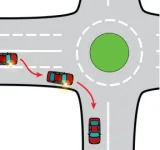
Повороты лучше проходить по широкой дуге, а перестраиваться — с запасом.
Чтобы водителю буксируемого авто было лучше видно дорогу, ему стоит держаться ближе к центру дороги.
Маршрут лучше прокладывать так, чтобы было меньше левых поворотов: они сложнее правых, так как обычно приходится пересекать встречную полосу.
Торможение и остановка. Тормозить (когда загораются стоп-сигналы ведущего авто) должен начинать водитель буксируемого автомобиля.
Буксировка авто с АКПП
Автомобили с автоматической коробкой передач, а особенно с вариатором, буксировать на гибкой или жесткой сцепке не рекомендуется (если ваша машина — исключение, об этом должно быть написано в сервисной книжке). Для буксировки авто с АКПП лучше использовать хотя бы частичную погрузку ведущей оси.
Если другого выхода нет — чтобы минимизировать ущерб для коробки передач — нужно перевести селектор в положение N (нейтраль) и двигаться со скоростью не более 30 км/ч, и не дальше чем на 40 км.
Автомобили с вариатором можно буксировать только с частичной или полной погрузкой.
Советы
- Не цепляйте трос за детали, которые для этого не предназначены (бампер, элементы подвески и т.п.).
- Если при остановке трос оказался под колесом буксируемого авто, лучше сдвинуть машину вручную, а не пытаться выдернуть трос рывком.
- Еще раз напомним: трос должен быть натянут, двигайтесь без резких ускорений и торможений, сохраняя постоянную дистанцию между машинами.
- В большинстве современных машин при выключенном двигателе не работают усилители тормозов и руля. Поэтому управлять автомобилем будет значительно тяжелее. Будьте к этому готовы!