
Slow movement with frequent stops can cause overheating of a dual-clutch gearbox, especially on an incline. We advise leaving a gap before the next start and not holding the car with the accelerator.
Automatic gearbox in a traffic jam: brake instead of accelerator
On a slope, hold the car with the brake pedal or the parking brake. For a DCT, creeping and trying to hold the car with the accelerator can overheat the clutches. Leave space ahead so you don't have to start after every minimal movement of the traffic flow.
Shifting any automatic gearbox into N at every stop is not a universal requirement. For example, Ford's standard start-stop system involves stopping in D while holding the brake pedal. After releasing it, the engine starts again.
Engage P mode after coming to a complete stop. Check the procedure for using N, P and start-stop in the manual for your specific model: a conventional automatic and a robotized transmission have different operating algorithms.
Transmission overheating: when you need to stop driving
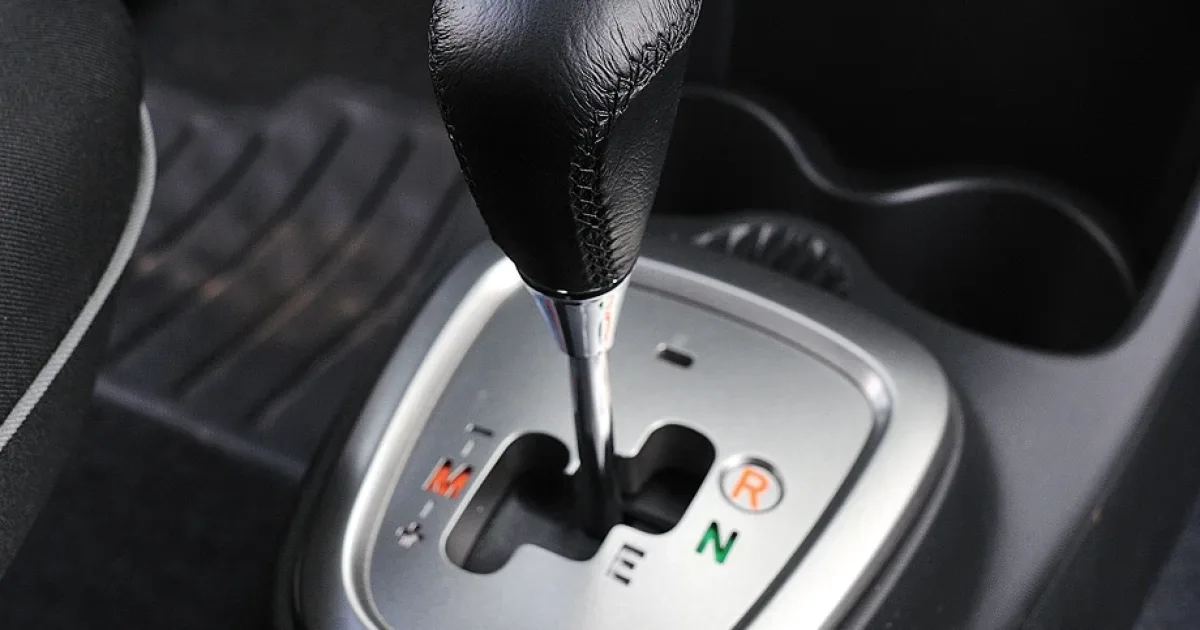
A high-temperature warning on the instrument panel is a signal to act. Do not continue driving while ignoring the message: follow the car's instructions and stop in a safe place.
The cooling method depends on the gearbox. For example, for certain Kia DCTs it specifies P mode with the engine running. At the same time, the manual for certain Ford six-speed automatics requires switching off the engine. If the warning does not disappear or recurs, a check is needed.
"In a traffic jam, it is important not to look for a universal mode for all gearboxes, but to follow the instructions for your own car," notes the author of the material, Oleksii Astapov.