Buying a used car in autumn requires a particularly careful inspection. Rain, dirt, short daylight hours, and warm weather can hide defects, the repair of which after purchase will cost hundreds of dollars.
Buying a car in autumn: which malfunctions can be expensive
Several seasonal problems at once can increase the actual cost of the purchased car by $1000 or more.
1. Worn winter tires. The set of tires that the seller adds to the car should be checked for wear, damage, and age. If the tires are over five years old or the tread is worn, a new set with tire fitting can cost $300-600.
2. Heater and air conditioner. In autumn, buyers more often check the heater and forget about the air conditioner. A faulty heater radiator may require dismantling the front panel. Such repair together with parts is estimated at $200-500.
3. Body corrosion. A wet or dirty car is harder to inspect properly. Moisture hides scratches, chips, differences in shades after painting, and initial corrosion. Repair of several elements and anti-corrosion treatment can cost $300-700.
Inspection of a used car in autumn: battery, glass, and drains
It is equally important to evaluate the electrical equipment and parts that directly affect the operation of the car during cold weather and rains.
4. Battery and alternator. A worn battery can start the engine normally in warm weather but lose efficiency with the first frosts. In autumn, additional load is created by heaters, lighting, and wipers. Replacing the battery and repairing the alternator can cost $150-350.
5. Glass, wipers, and drains. Channels clogged with leaves can direct water into the cabin, and cracks on the windshield and worn blades impair visibility. Replacing glass, wipers, cleaning drains, and drying the interior may require $200-400.
“In autumn, the car should be inspected clean, dry, and in good lighting, because water and dirt can hide body defects that will require expensive repairs after purchase,” notes the author of the material, Oleksii Astapov.
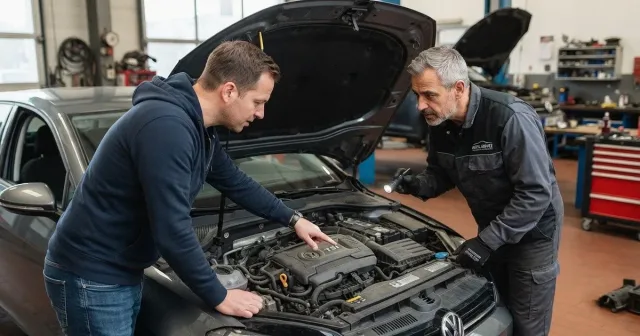
Before the deal, it is recommended to inspect the car in a dry, well-lit room and have it diagnosed at a specialized service station.