What exactly should the tinting film protect your car from? How to choose the right film among the wide range of products in Ukraine? Why is it generally recommended to tint your car? Oddly enough, not all car enthusiasts can answer a number of such questions. And this is despite the fact that most of them are familiar with the method of applying tinting film to windows. This article will help you understand the topic and find answers.
Tinting film for cars – what types are there?
Today, there is a huge selection of tinting films. At first glance, it is quite difficult to figure out which product is intended for which specific purpose. It seems there are too many options to purchase. But if you take a closer look at the classification of films, it is easy to understand in which case which tinting to use and what functions each of them has.
Classification of tinting coatings:
- classic film;
- athermal tinting film;
- One Way Vision film;
- film with an increased degree of protection against ultraviolet rays;
- armored tinting.
You can be sure that no matter which type of product you prefer to buy in the store, it will perform its functions efficiently. And it is precisely in these functions that one coating differs from another. You just need to define your tinting goals, choose the right product, and confidently place an order. It is worth noting that films from "VISSBON" significantly surpass many popular tinting coating brands in quality, while offering the buyer a more affordable price.
So, let's go through everything in order:
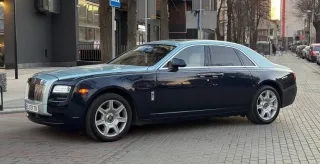
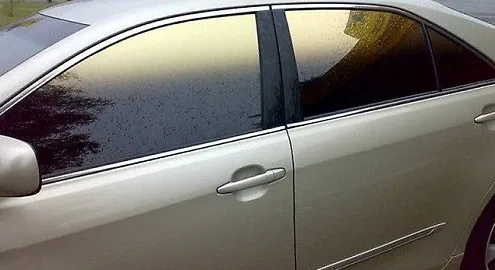
1. Let's start with classic film. As is clear from the name, such a coating is somewhat universal. It combines all the characteristics that are usually considered profile for one or another type of film. Classic coating is the most common option for tinting windows. This is dark tinting, the main task of which is to reduce the amount of harmful rays entering the car's interior and hide the inside of the car from prying eyes.
2. Athermal tinting is the best coating for a car whose owner seeks to protect the interior from high temperatures. How many times has the air in your car's interior heated up to the limit? As a result, not only discomfort for the driver and passengers, but also increased costs for the air conditioning system. Agree, this is very uneconomical. And the reason for this is the car being exposed to direct sunlight for a long time, which carries a large amount of heat and infrared radiation penetrating into the car's interior. Blocking rays in this range is one of the main goals of using athermal tinting.
3. One Way Vision film is a self-adhesive material that is transparent only on one side. From the outside, such tinting film looks like a solid, light-blocking sheet. And from inside the car, it looks like a transparent film that does not interfere with normal visibility at all. That is, a person inside the car will see everything happening around, while from the outside the interior will be completely hidden from view.
4. "Ultraviolet protection" film is tinting that reflects one hundred percent of ultraviolet radiation. In addition to protecting the interior from excessive heating, this coating will also preserve the health of people inside the car. The latter is not an exaggeration at all. The harmful effects of ultraviolet radiation on the human body (primarily on the skin and eyes) have long been a known fact.
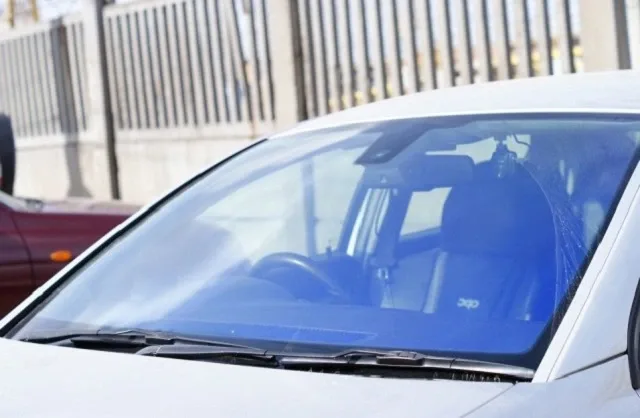
5. And finally, armored film. This is tinting that makes the car's glass incredibly strong. The purpose of installing this coating is to protect the car from criminals entering the interior, as well as to protect the car from vandals.
Let's come to a common denominator
Having considered all types of tinting film, we have identified only the key features of each of them. What unites all the listed types? They are united by the following capabilities:
- protection of the interior from unwanted external radiation (ultraviolet and infrared rays);
- darkening of windows from the outside, which will help hide the interior from unnecessary glances of passersby;
- improving the appearance of the car, giving it some uniqueness and completeness.
- increasing the rigidity of car windows, their strength and resistance to mechanical impact (impacts, gravel and other road debris hitting the glass);