The compression ratio of such engines is increased from 14:1 to 18:1, which allows increasing power and improving fuel efficiency by 30%. No less important for Europe is the reduction of harmful emissions to 80 grams per kilometer.
The Japanese are not the first to experiment with such technology. Hyundai worked in this direction, and Mercedes even created an experimental 1.8-liter engine with 238 hp.
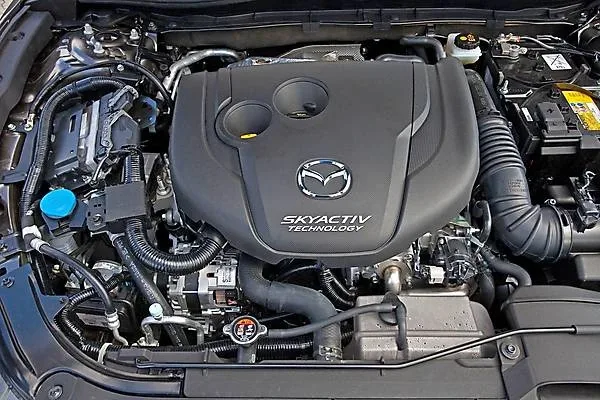
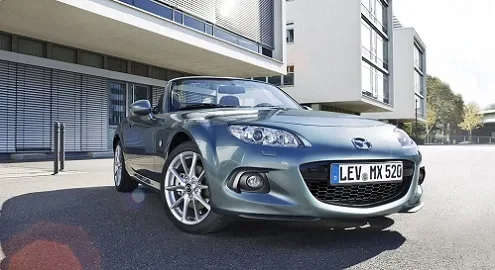
Mazda engineers created an experimental prototype, but they have not yet managed to solve a number of technical problems. For example, they have not yet been able to completely abandon spark plugs, since SkyActiv-G engines can operate stably on the diesel principle only up to 50 percent of maximum power. Then spark plugs have to be engaged.
Simultaneously with this project, Mazda is also working on third-generation engines. These engines will be another 30% more economical, and CO2 emissions will drop to 60 grams per kilometer. These engines use the principle of adiabatic combustion, in which energy should not be wasted on heating parts.
The designers expect that SkyActiv-G Generation 2 units will appear on production Mazda cars closer to 2020.