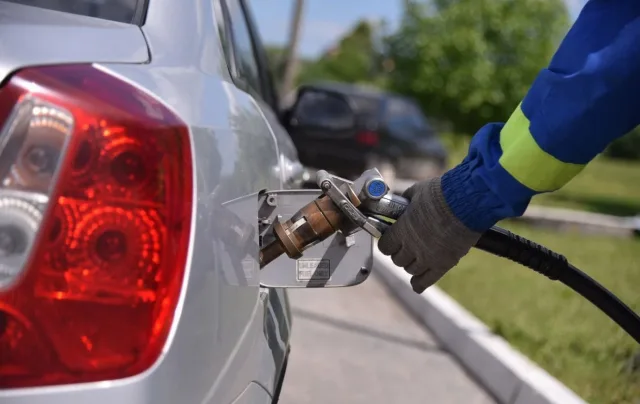
Against the backdrop of rising fuel prices, filling a full tank can be more profitable than regularly buying 10 liters at a time. The driver visits the gas station less often and buys a larger supply at the current price, which matters when the cost of gasoline or diesel continues to rise.
A full tank helps lock in the current fuel price
If you fill up 50-60 liters before the next price increase, this supply will be purchased at the old price. When topping up 10 liters at a time, the driver will return to the gas station sooner and may buy the next portion of fuel at a higher price.
The number of trips to the gas station also matters. Frequent visits mean additional driving, acceleration, braking, and possible idling of the engine. With a 50-60 liter tank, filling up in 10-liter portions will require about five to six times more frequent visits.
"Filling up 10 liters at a time only creates the illusion of spending less money per visit to the gas station. When prices rise, it is more advantageous to purchase a larger supply of fuel at the current price and visit the gas station less often," notes the article's author, Oleksii Astapov.
A larger volume can also be more beneficial within loyalty programs. Some networks offer discounts depending on the number of liters purchased or special offers through mobile apps.
The additional weight of the fuel does not provide a significant advantage to the 10-liter option. The difference of 40-50 kg is only a small part of the total mass of a modern car.
Filling up 10 liters at a time has technical drawbacks
Constantly driving with a nearly empty tank is also undesirable due to the design of the fuel system. Fuel participates in cooling the submerged electric fuel pump, so systematic operation with a low level can worsen its working conditions.
Another factor is the free volume in the tank, where condensation can form under certain temperature conditions. Moisture is undesirable for the fuel system, so there is no practical need to constantly maintain a minimal fuel reserve.
At the same time, a full tank does not mean you need to top up fuel after the automatic shut-off of the filling nozzle. Refueling should be completed after the first shut-off, leaving the space provided by the design for the operation of the tank ventilation system.