Just as the fuel market began to recover from the shortage and prices stabilized, counterfeiters with cheap surrogates started actively returning to it. Such a rapid recovery of counterfeiters' activity is also explained by the fact that the return of excise taxes on fuel is planned soon, which will lead to an inevitable rise in prices. This, in turn, will increase their profits, since they have not paid and do not plan to pay any taxes.
To conduct the study, fuel samples purchased at 20 gas station networks from different regions of Ukraine were submitted to the laboratory. Specialists analyzed the quality of diesel in large and medium networks, including WOG, SOCAR, AMIC, PARALLEL, KLO, PRIME, АВІАС, ОВІС, SHELL, Avantage 7, NEFTEК, NPG, U.GO, UPG, БРСМ-нафта, MARSHALL, ESKO, Укрнафта, PATRIOT, and СПЕКТР.

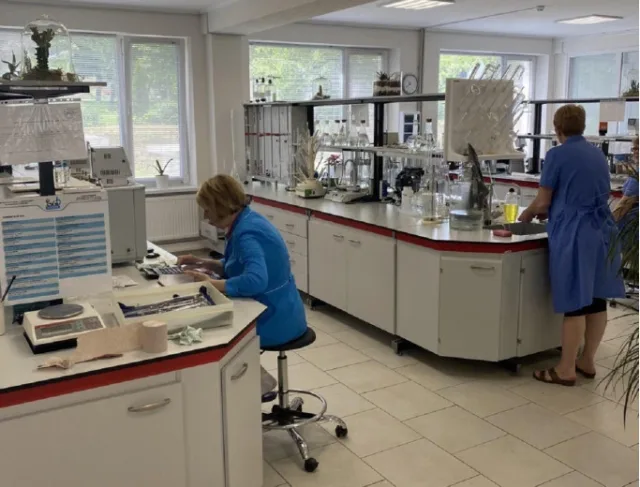
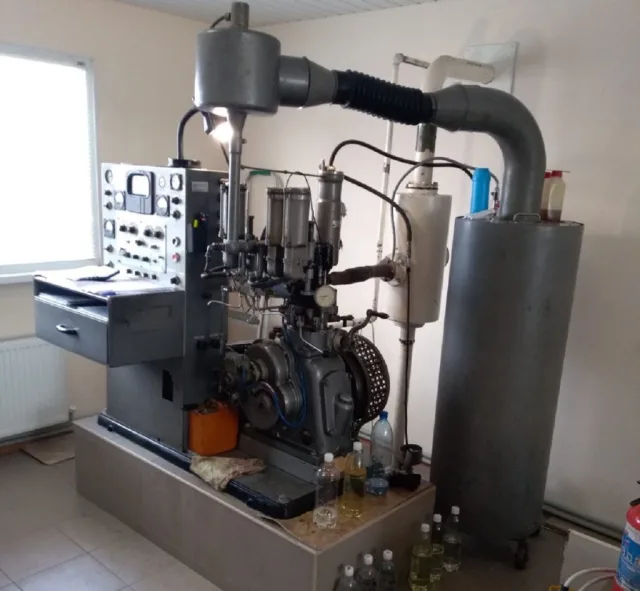
During laboratory tests, samples were checked for several key parameters: flash point in a closed crucible, sulfur concentration, and density. These indicators must meet the requirements of DSTU, since deviations from the norm can harm both the car and the environment, in particular the quality of the air we breathe. As it turned out during the analysis, for many samples the designation "euro" is no longer relevant…
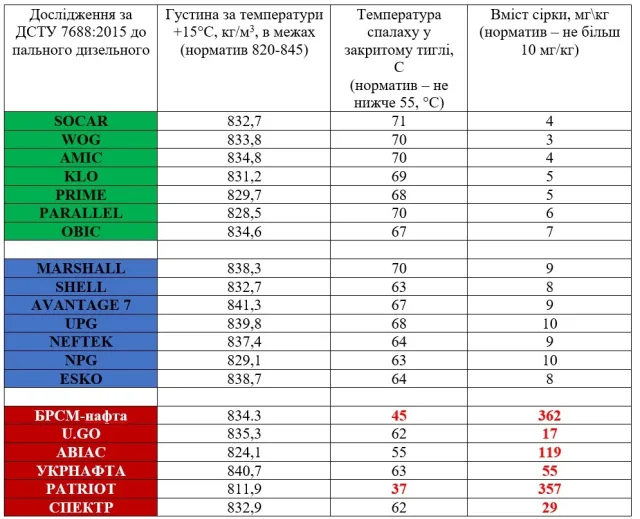
As in the previous gasoline study, experts divided the laboratory test results into three categories: green, blue, and red. The first group included networks whose indicators fully met the standards and even had a certain "safety margin." The blue zone included gas stations whose fuel did not violate the requirements of the relevant DSTU but was on the verge of permissible values. The red group consisted of networks where substandard fuel that does not meet standards was found.
Green zone
Of the 19 test participants, only seven managed to get into this category: SOCAR, WOG, AMIC, KLO, PARALLEL, ОВІС, and PRIME. First of all, the main indicator for diesel fuel was analyzed — sulfur content. It is the key marker of whether the fuel is truly produced in Europe. It can be confidently stated that the representatives of the "green" zone are real "Europeans." It is important to explain why this is so critical. Sulfur has a destructive effect on catalytic converters and particulate filters, and its removal from fuel is a complex and expensive technological process. For example, if fuel contains 1000 mg/kg of sulfur (which was considered the norm ten years ago), the catalytic converter can lose efficiency after just ten to fifteen refuelings. Ukrainian standards (similar to Euro 5) allow a maximum of 10 mg/kg of sulfur. The lowest content was recorded in WOG diesel — only 3 mg/kg, almost the same in SOCAR and AMIC — 4 mg/kg each. KLO, PARALLEL, and PRIME also demonstrated similar minimal indicators.
The next stage was checking the flash point of diesel fuel. This parameter allows detecting the presence of foreign impurities that can provoke fuel ignition, for example, during an accident. The minimum permissible value is 55 °C. The best result was shown by SOCAR diesel — 71 degrees, with almost the same indicators for AMIC and WOG — 70 degrees each.
Blue zone
This category included the networks AVANTAGE 7, SHELL, NEFTEК, NPG, UPG, MARSHALL, and ESKO. Their diesel fuel met all DSTU requirements, but without any margin. In particular, the sulfur content in UPG and NPG diesel was on the verge of the permissible norm — 10 mg/kg. Given that most of these networks position themselves as discounters, that is, they offer lower prices, and also have regional status, this result can be considered quite acceptable.
Red zone
Finally, it is worth mentioning the outsiders. This group included samples purchased at the networks БРСМ-нафта, U.GO, Укрнафта, АВІАС, PATRIOT, and СПЕКТР. At first glance, the list is not that long, but it is worth noting that the first four networks are nationwide and have over 1000 gas stations across the country! And this is a very significant market share. The main problems concerned sulfur content. If in U.GO the excess was insignificant — by 7 units (17 mg/kg), then in АВІАС it was almost twelvefold (119 mg/kg). "But the real 'records' were ahead. In the PATRIOT sample, laboratory analysis showed a sulfur content of 357 mg/kg, and in БРСМ-нафта — as much as 362 mg/kg! Such a concentration practically guarantees problems with the fuel system and engine, which will definitely hit the owner's wallet. Not to mention the exhaust gases that pedestrians will have to breathe on city streets. In addition, the "leaders" БРСМ-нафта and PATRIOT recorded violations of the flash point — ignition occurs at 45 and 37 degrees Celsius, respectively. As already mentioned, this may indicate the presence of foreign components in the fuel. Such fuel is also fire hazardous: the lower the temperature from the norm, the higher the risk of explosion during an accident or other emergency. The PATRIOT sample also revealed a reduced density, which may indicate that it is winter fuel.
Conclusions
Today, diesel fuel is not just an economic resource, but literally the blood of war. Making money on counterfeits at such a time is at least cynical. The fact that the state temporarily relaxed quality requirements and abolished taxes to saturate the market was perceived by some dealers as weakness and an opportunity to profit. This also harms competition, because "honest" networks have taken on voluntary taxation and help the army. Therefore, entrepreneurs, state institutions of critical and logistics infrastructure, and farmers should very responsibly choose fuel suppliers to avoid large-scale transport problems. Experts also advise owners of private cars to refuel only at networks that do not compromise on quality.
ДП ЄВРО