
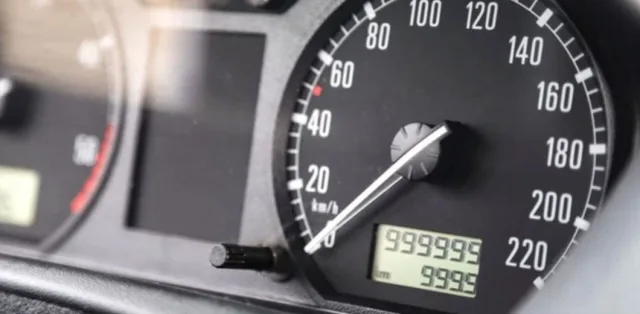
For this, the colleagues took three cars for a test – Ford Kuga 2019, Opel Grandland X 2020, and Peugeot 208 2019. And the test results turned out to be disappointing: in all three cases, it took a few minutes to roll back the mileage. In the case of the first two cars, it was enough for the experts to connect a tablet with a special program to the built-in diagnostic connector, and in the case of the Opel – directly to the instrument cluster.
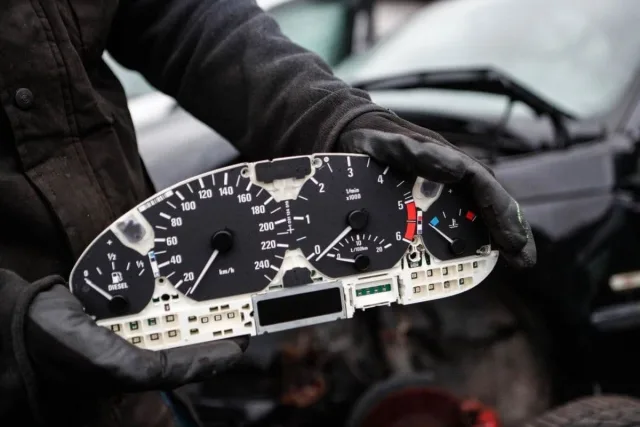
Thus, ADAC came to the logical conclusion that buyers of used cars remain unprotected and will remain so in the future, since mileage rollback is an excellent business for many dealers – thanks to this, a car can be sold faster and, most importantly, more expensive. But such manipulations have a dangerous impact on the safety of the car and the cost of maintenance. For example, if due to rolled-back mileage a new owner misses the timely replacement of the timing belt, this can lead to its breakage, which, in turn, promises an engine overhaul (and that is very expensive).
ADAC stated that it is difficult to detect professionally performed odometer adjustments – even for advanced car services.
According to rough estimates, every third car in Germany is sold with rolled-back mileage.